
Last updated November 25, 2026
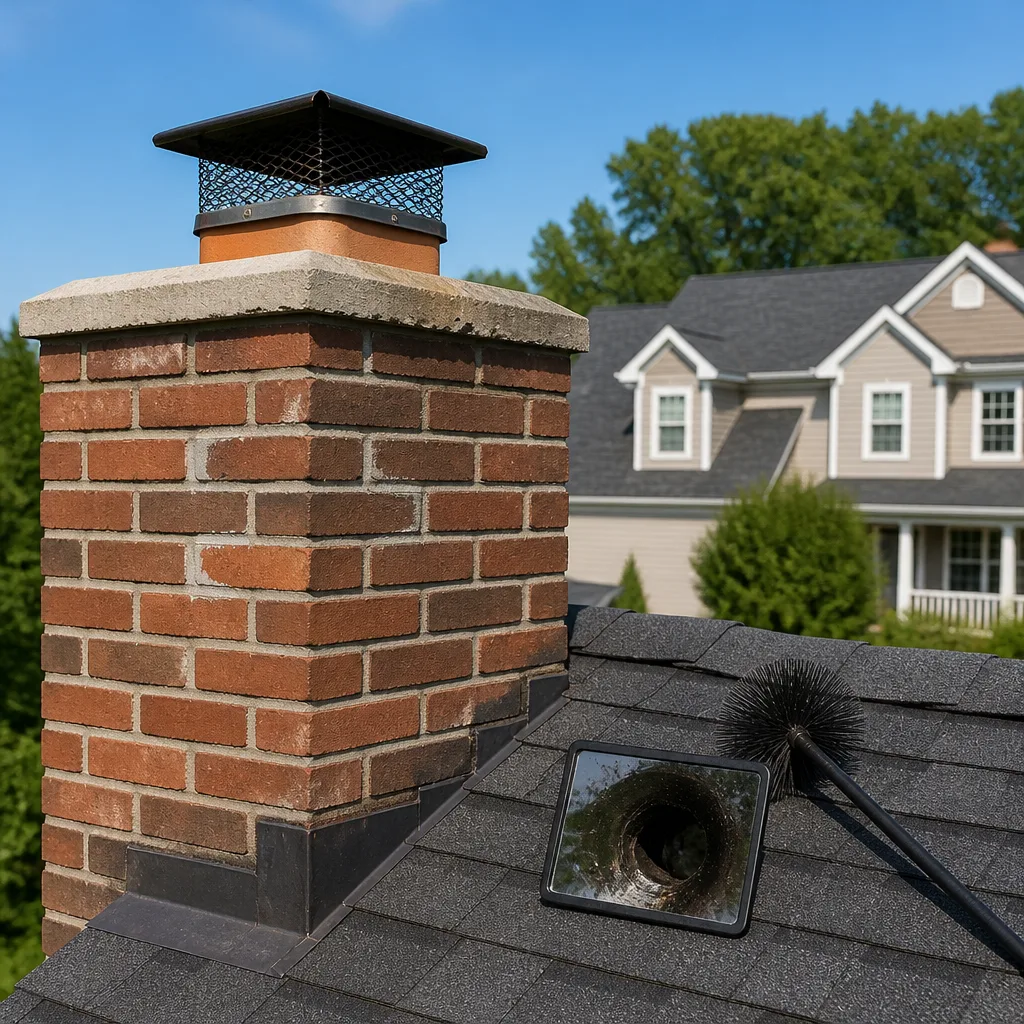 Sweep & inspection
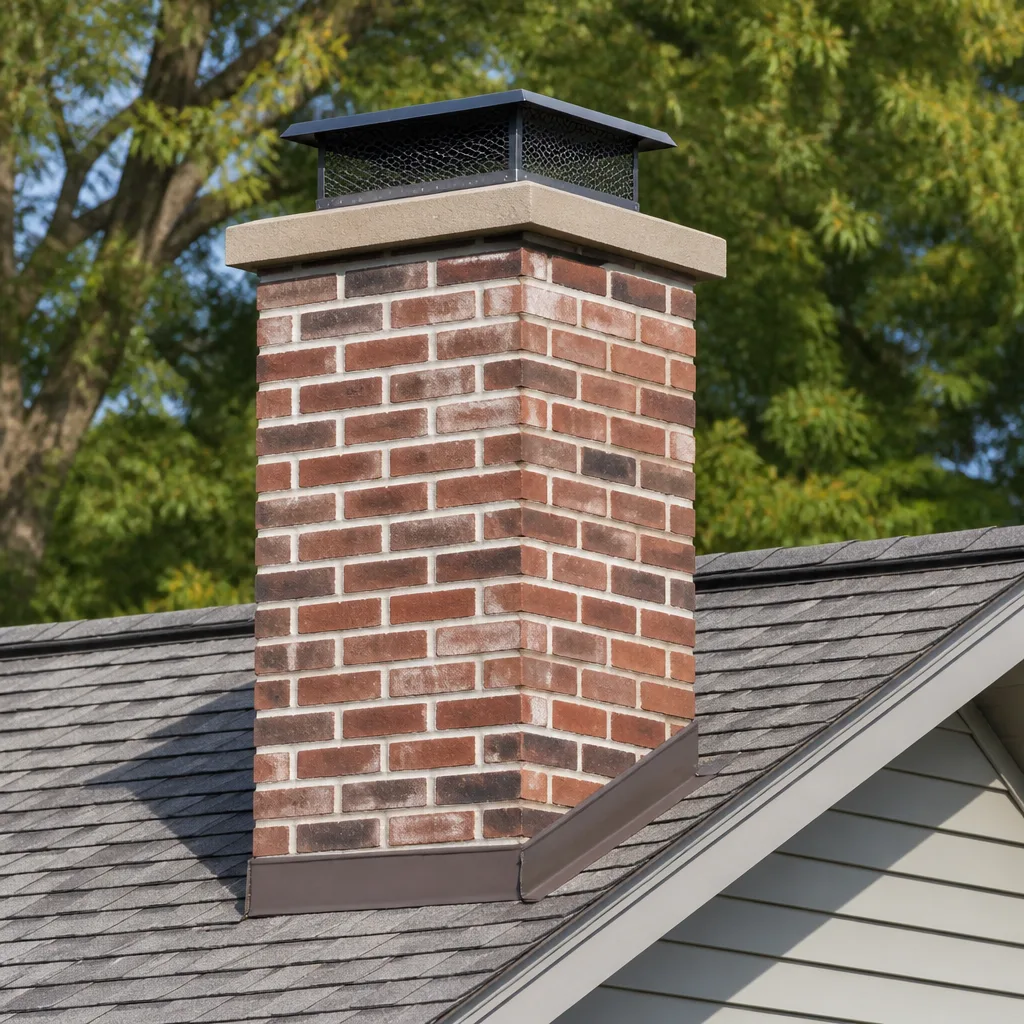 Caps & crowns
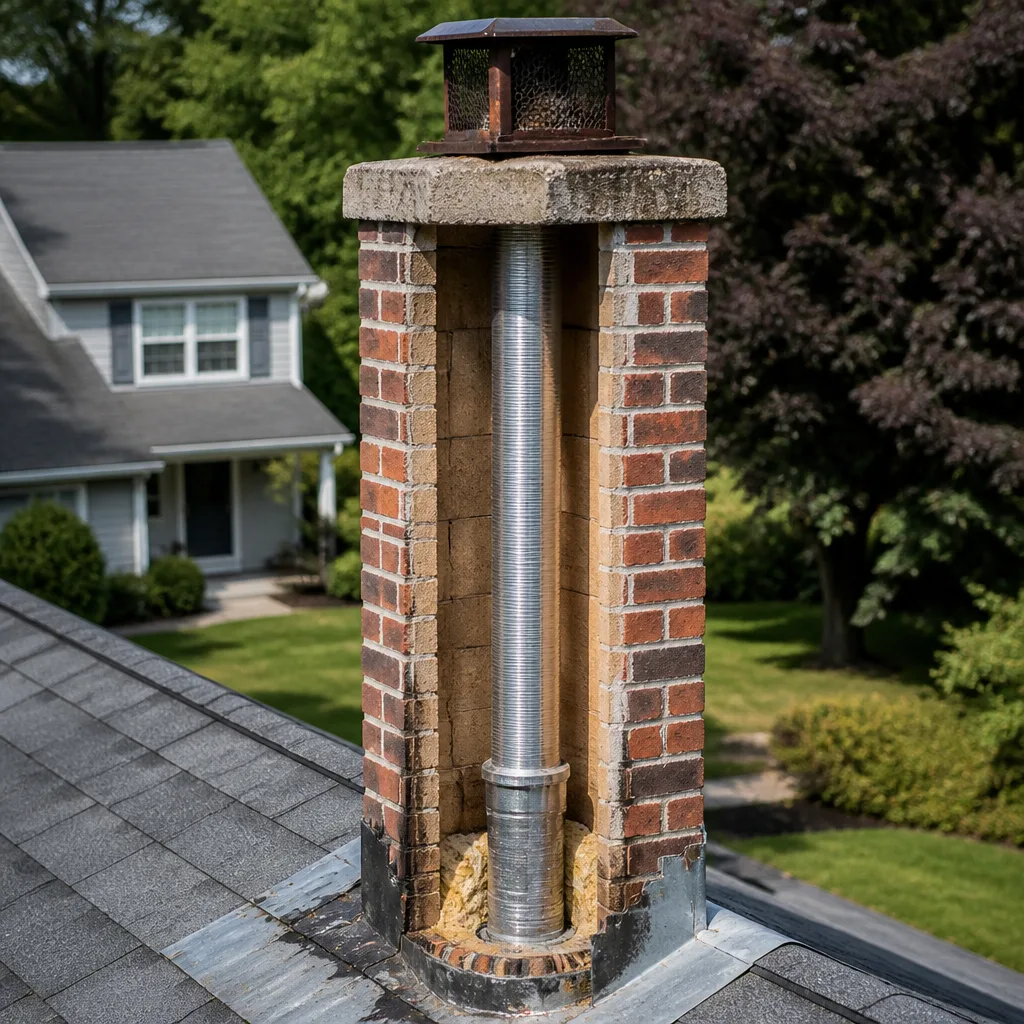 Flue relining
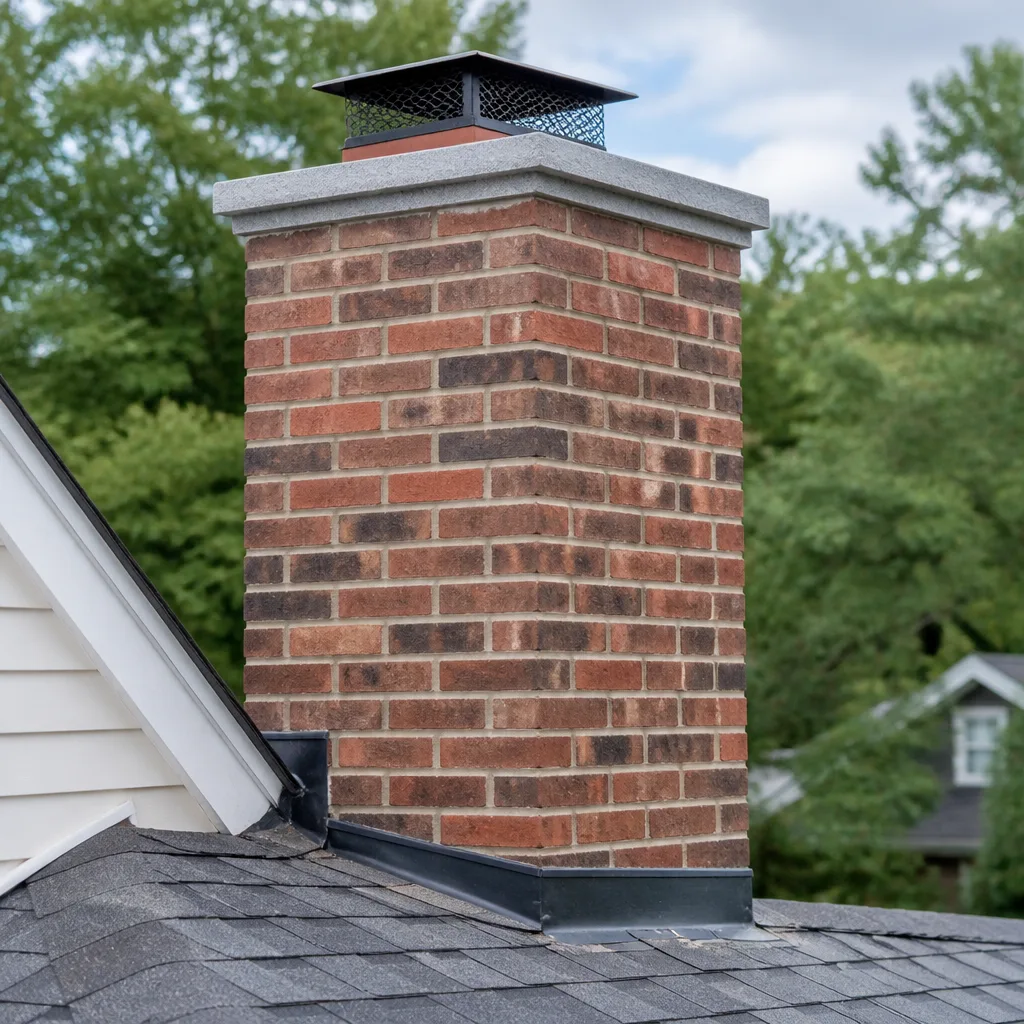 Masonry repair
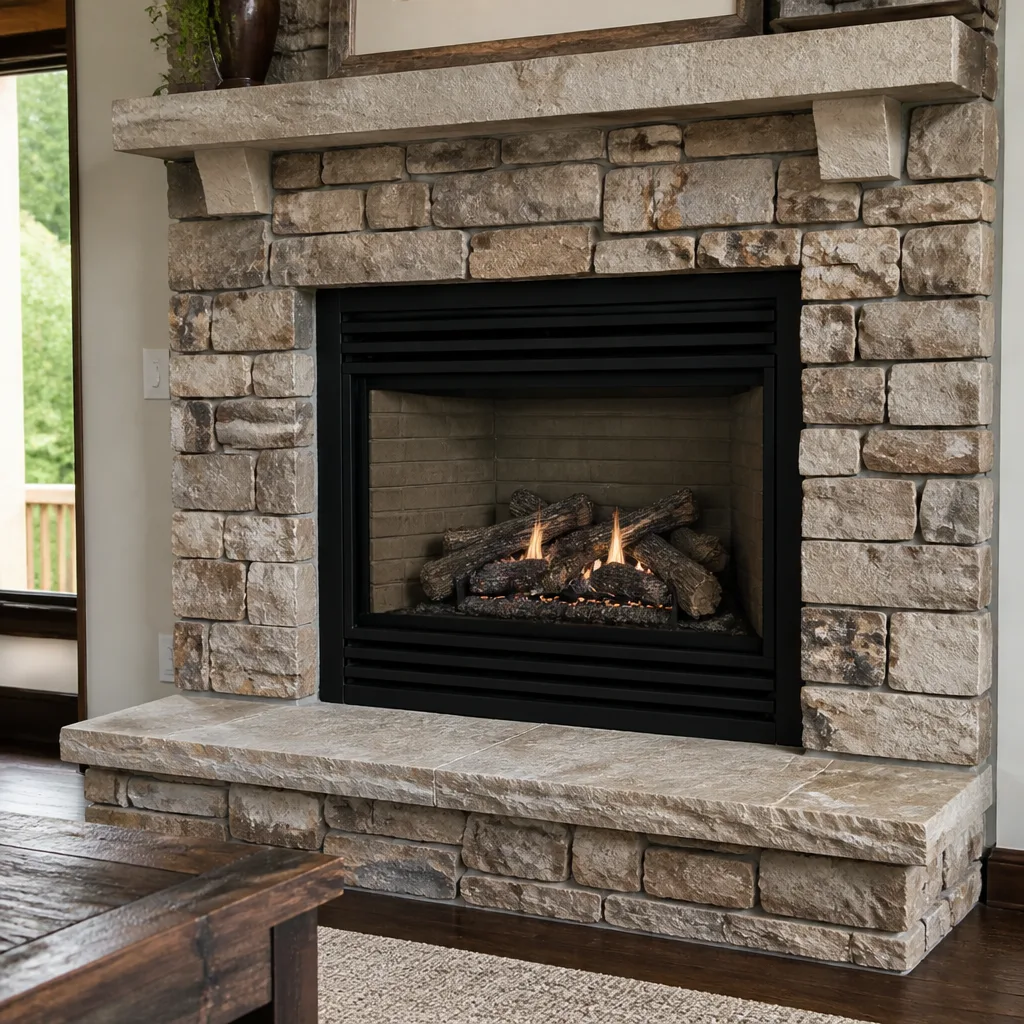 Gas fireplace service
Level 1 sweep and inspection to the NFPA 211 annual standard - flue, crown, cap, and flashing checked and photographed
Chimney sweep logs do not sweep chimneys. They loosen some creosote - which then falls where a brush and vacuum still have to collect it.
Chimney Sweep Maintenance Checklist for Floral Park Homeowners
The chimneys that fail fastest in Floral Park aren’t the ones burning wood every cold night. They’re the ones lit a handful of times a year with nothing done in between. Light, intermittent use builds creosote in layers that never get hot enough to burn off, and that slow accumulation is exactly how a flue ends up with third-degree creosote – the hard, glazed, tar-like stage that ignites at lower temperatures and is the hardest to remove. A fireplace used three times a season can carry a heavier glaze than one used three times a week. This guide walks through a full year of chimney upkeep built around Floral Park’s dry summers and mild winters, the ground-level checks you can safely do yourself, the components most homeowners overlook, and how to keep a service record that holds up when you need it. A Chimney Sweep Floral Park sweep is the starting point, not the endpoint.
Quick Answer
A chimney maintenance checklist for Floral Park should run on a year-round cycle, not a single annual sweep: check the cap and crown before the dry season, keep animals and debris out through summer, sweep and inspect before the first fire of fall, and watch your firebox mortar and damper seal all winter. The single most important habit is a professional sweep and full-system inspection once a year, timed before your first burn. Everything else on the list protects the system between those visits.
Styles & brands we work with
- Sweep & inspection
- Caps & crowns
- Flue relining
- Masonry repair
- Gas fireplace service
Table of Contents
- Why Floral Park Chimneys Fail Differently
- The Month-by-Month Chimney Checklist for Floral Park
- Ground-Level Checks You Can Do Safely
- The 90-Second First-Fire Check
- The Five Most Neglected Chimney Components
- How to Log Your Chimney Service History
- Common Mistakes to Avoid
- When to Call a Professional
Why Floral Park Chimneys Fail Differently
Most chimney advice is written for cold-climate homes that burn steadily for months. Floral Park doesn’t work that way. Winters here are mild, summers are dry and long, and many fireplaces see a dozen fires a season rather than a hundred. That pattern changes what actually goes wrong.
Intermittent burning is the big one. Every fire deposits creosote on the flue walls. A hot, steady burn dries and consumes some of that deposit. A few scattered fires never reach that heat, so each burn adds a layer that stays put. Over two or three seasons of light use, that builds into glazed creosote that a standard brush won’t touch. In our experience, the fireplaces we find in the worst internal condition are often the ones the homeowner assumed were fine because they barely used them.
The dry months bring a second set of problems. Long stretches without rain and cooler nights push birds, squirrels and insects to look for shelter, and an uncapped flue is a welcome invitation. Nest material packs into the flue and blocks the draft, and it’s highly combustible once a fire is lit beneath it. Dry summer air also works on the masonry itself. Mortar joints and crown sealant that dry out and crack let water in when the weather does turn, and that trapped moisture is what drives most of the structural damage we repair.
The mild winter is the third factor. Because it rarely gets cold enough to make a chimney’s exterior and interior swing wildly in temperature, failures here tend to be slow and quiet rather than dramatic. That’s good news for homeowners who pay attention, and bad news for anyone waiting on an obvious warning sign. Floral Park chimneys rarely fail loudly. They fail gradually, which is exactly why a written checklist beats a memory.
The Month-by-Month Chimney Checklist for Floral Park
A generic four-seasons template doesn’t fit a climate with a long dry summer and a short mild winter. Here’s a cycle built for Floral Park’s actual weather, task by task. Exact timing will shift year to year, but the order holds.
Late Winter and Early Spring
- Book your annual sweep and full-system inspection once the burning season ends, so any repair can be done well before fall.
- Look over the exterior at ground level for cracked mortar, loose brick or a damaged crown – the quiet damage moisture starts.
- Clear ash from the firebox only after the chimney has been swept, so you’re not stirring up fine dust.
Late Spring and Summer
- Confirm the chimney cap and spark screen are intact and firmly attached before wildlife season peaks. This is the single best defense against nest blockages.
- Check the damper closes fully. A damper that won’t seat lets cooled indoor air escape up the flue and lets humid outdoor air in.
- Watch the firebox mortar joints for crumbling or gaps as the dry months settle in.
- Keep tree limbs trimmed back from the chimney top so debris and animals don’t have a bridge to the crown.
Early Fall
- Schedule the pre-season sweep and inspection before your first fire, not after.
- Run the 90-second first-fire check below before you light up.
- Have the cap, crown and flashing looked at as part of the inspection, since these are where water gets in.
Winter
- Burn dry, seasoned wood. Wet wood produces more creosote and less heat, which is the worst trade in the trade.
- Keep an eye on the firebox mortar and damper seal through the season.
- Note anything unusual – smell, smoke rollback, a damper that sticks – and put it on the list for your next service visit.
Ground-Level Checks You Can Do Safely
You don’t need a ladder to catch most developing problems. Everything below can be done with both feet on the ground, and none of it involves reaching into the flue or climbing the roof. Leave the roof work and anything inside the flue to a trained professional.
- The crown. Look at the concrete or masonry top of the chimney. Cracks, crumbling edges or a crown pulling away from the flue are the number one path for water intrusion.
- The cap and screen. Confirm the cap sits level and the spark screen has no torn or missing sections. A gap is an open door for birds and squirrels.
- The flashing. Where the chimney meets the roof, check for lifted, cracked or missing metal. Water often enters here and shows up as a ceiling stain far from the chimney itself.
- The masonry. Scan the exterior for cracked mortar joints, spalling brick or white staining, which can signal moisture moving through the masonry.
- The firebox. With a flashlight, look at the mortar joints around the firebox. Crumbling or missing mortar needs professional attention before the next fire.
- The damper. Open and close it by hand. It should move cleanly and seat firmly with no gaps when closed.
None of this replaces a professional inspection, but it tells you when to call sooner rather than later. If something looks off from the ground, that’s your cue.
The 90-Second First-Fire Check
Before you light the first fire of the season, spend ninety seconds on this. It flags most urgent problems before there’s a flame in the firebox.
- Open the damper fully and listen. You should feel a steady upward draft. Weak draft, a smoky smell or no movement at all means something is blocking the flue or the damper isn’t opening.
- Shine a light up the flue from the firebox. Look for daylight at the top. No light means a blockage – a nest, a fallen cap section, built-up debris.
- Smell the firebox. A strong creosote smell, especially on a warm day, suggests heavy buildup that needs sweeping before you burn.
- Check the firebox mortar and damper seat as you did from the ground. Any crumbling mortar or a damper that won’t close is a stop sign.
If any of those four checks raises a flag, don’t light the fire. Book a sweep and inspection instead. A blocked or heavily fouled flue is a genuine fire and carbon monoxide risk, and no fire is worth that gamble. A quick chimney sweep resolves most of what this check turns up.
The Five Most Neglected Chimney Components
Between professional cleanings, five parts of the system carry most of the wear and get the least attention. Each one connects to a specific failure pattern we see in Floral Park.
1. The Cap Screen
The screen keeps animals, rain and debris out of the flue. Torn mesh or a loose cap during the dry months is how nests get in. An intact chimney cap & crown setup is the cheapest insurance against a blocked flue.
2. The Crown Sealant
The crown sheds water away from the flue. Hairline cracks in the sealant let moisture in, and over time that moisture works down into the masonry. Checking the crown each spring catches it before it turns into structural repair.
3. Damper Seating
A damper that doesn’t seat fully wastes heat all winter and lets humid air into the flue during summer. It’s a small part with an outsized effect on both efficiency and moisture.
4. Firebox Mortar Joints
Firebox mortar takes the direct heat of every fire. Crumbling joints let heat and gases reach the masonry behind, which is a safety issue and a repair issue at once. Inspect them each season.
5. Exterior Flashing
The flashing where the chimney meets the roof is a common entry point for water. It’s easy to overlook because it’s up on the roof, which is exactly why it belongs on the professional inspection list every year.
How to Log Your Chimney Service History
A written service log is one of the most useful things a Floral Park homeowner can keep, and almost nobody does it. It’s also the document that supports warranty claims and insurance questions when something goes wrong. Here’s how to build one that actually holds up.
- Record the date and type of every service. Sweep, inspection, repair, cap or crown work – each gets its own line, with who did the work and what they found.
- Keep the inspection report, not just the invoice. A proper inspection evaluates the full system, not just the firebox, so the written findings on the crown, cap and liner are the parts that matter most down the road.
- Note the materials used. If a liner or crown was restored or replaced, record the product – HeatShield or DuraFlex, for example – so a future technician knows exactly what’s in the flue.
- Photograph anything that gets repaired. Before-and-after photos make an insurance conversation far simpler than a verbal description.
- Keep the log with your home records, not in a drawer in the kitchen. When you sell, a documented chimney is a stronger chimney.
We inspect the whole system – crown, cap and liner included – because that’s what makes a service record worth keeping. A sweep-only report leaves gaps exactly where the costly problems hide.
Common Mistakes to Avoid
- Assuming light use means low maintenance. A fireplace used a few times a season can build glazed creosote faster than a heavily used one, because the deposits never get hot enough to burn off.
- Waiting until after the first fire to book a sweep. In Floral Park, the pre-season window fills quickly, so book the inspection before fall, not after you’ve already burned.
- Skipping the cap during dry months. An uncapped flue in summer is an open invitation to birds and squirrels, and nest material in the flue is a real hazard once a fire is lit.
- Ignoring the crown and flashing. These are the two most common water entry points, and water is behind most structural chimney damage we repair.
- Treating a sweep as the whole job. A sweep cleans the flue; an inspection evaluates the entire system. You need both.
- Keeping no written record. Without a service log, warranty and insurance claims on chimney repairs get much harder to support.
- Burning wet or unseasoned wood. It produces more creosote and less heat, which makes every other problem on this list worse.
When to Call a Professional
Some chimney problems are a routine appointment. Others are a call you make before you light another fire. Call a professional if you smell a strong creosote odor on a warm day, if smoke rolls back into the room instead of drafting up, if you can see no daylight at the top of the flue, or if the firebox mortar is crumbling. Any cracked crown, damaged flashing or loose cap is a professional job too, since those involve roof access and structural repair. And any chimney that hasn’t been swept and inspected in the past year should get one before the next burning season. Chimney Sweep Floral Park offers free estimates in Floral Park – call (877) 792-7251. We answer 24/7, with fast dispatch from 7am to 7pm, Sunday through Friday.
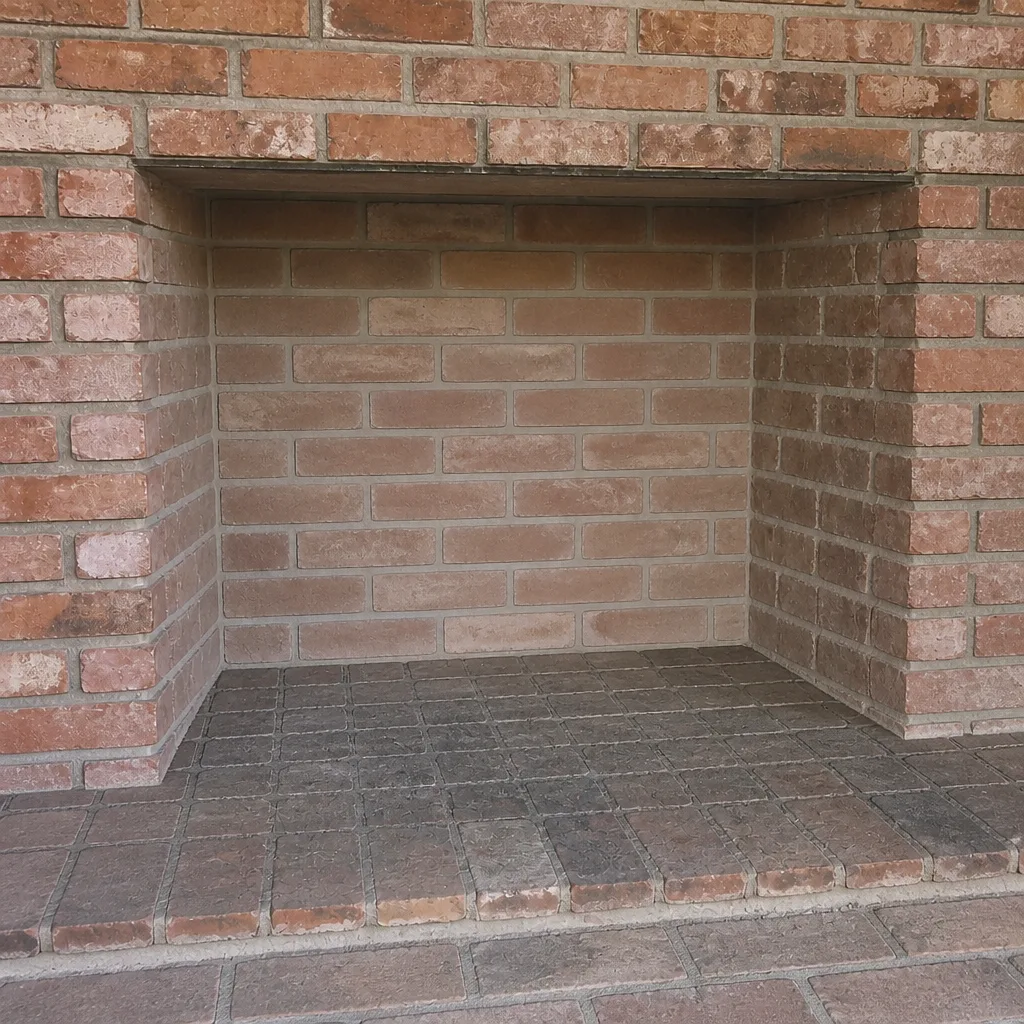
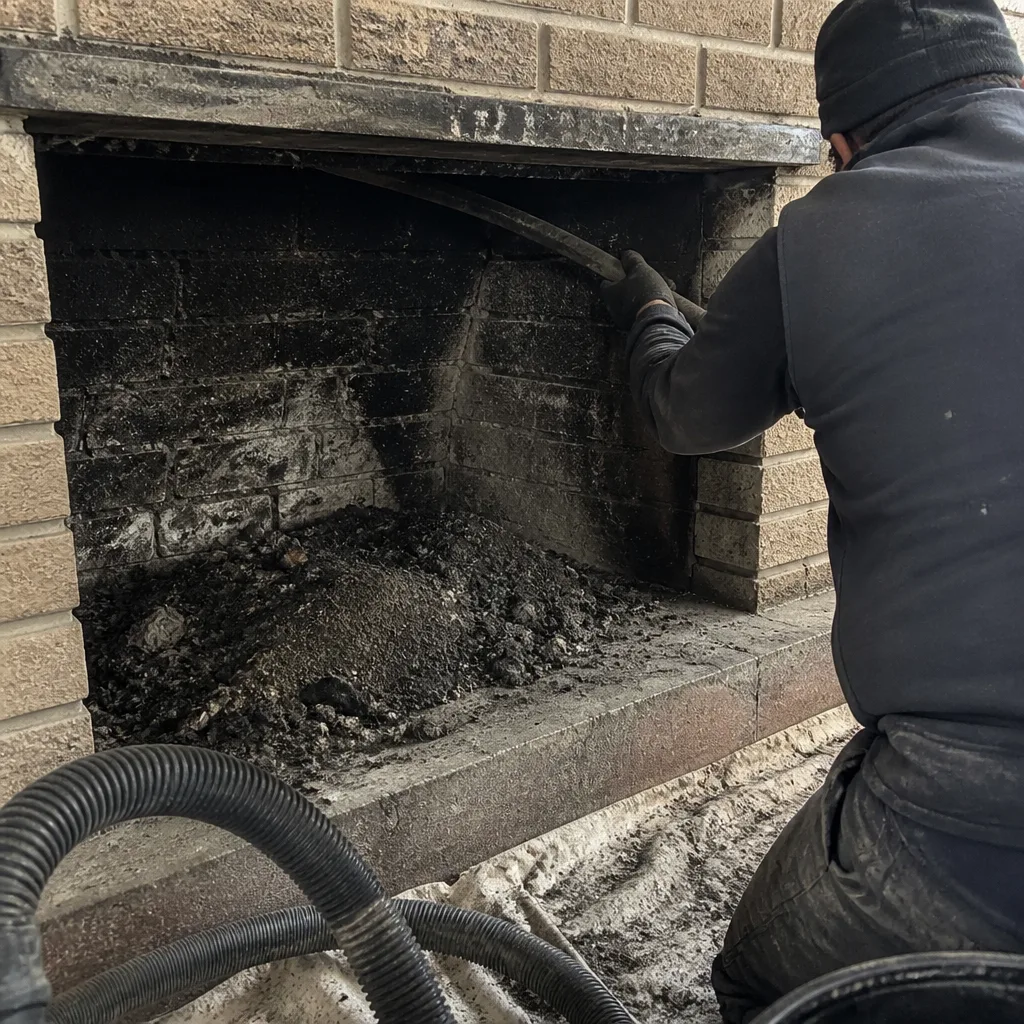
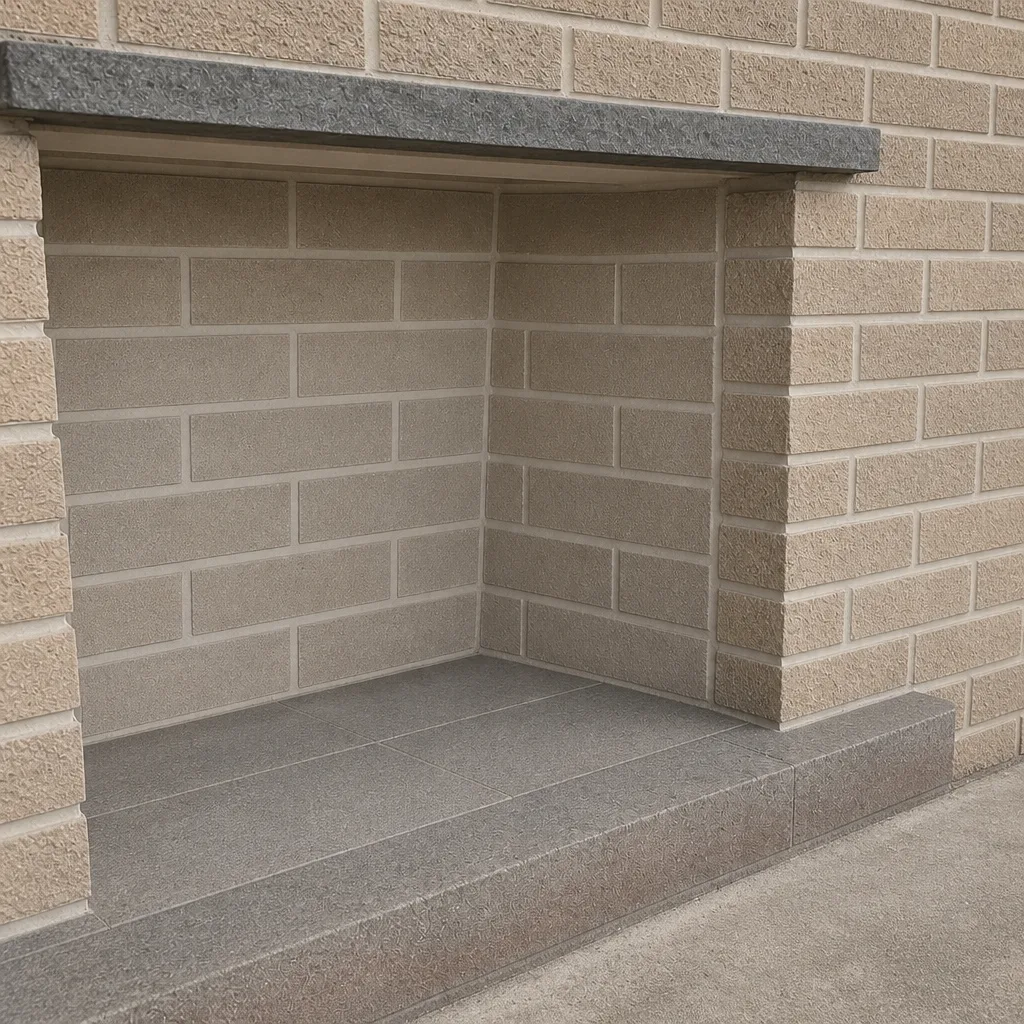
See the difference
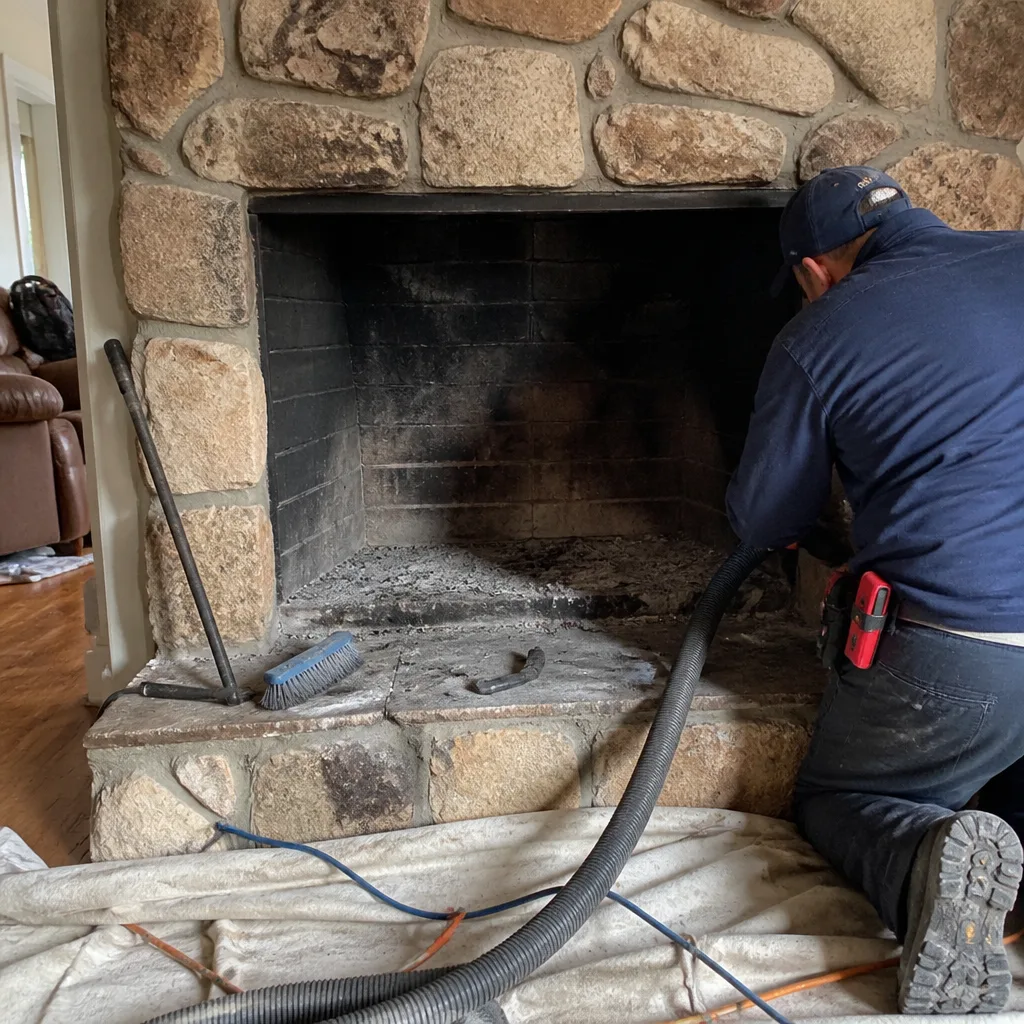 Before
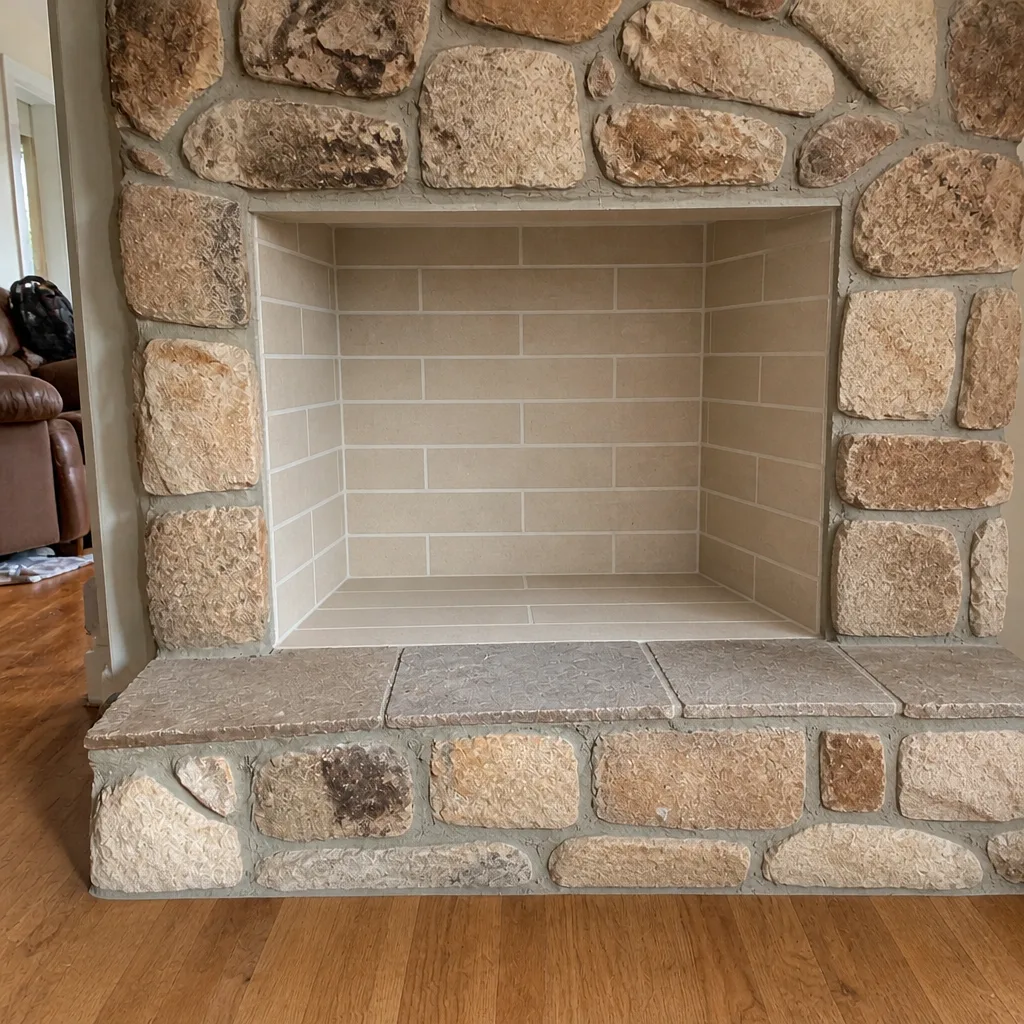 After
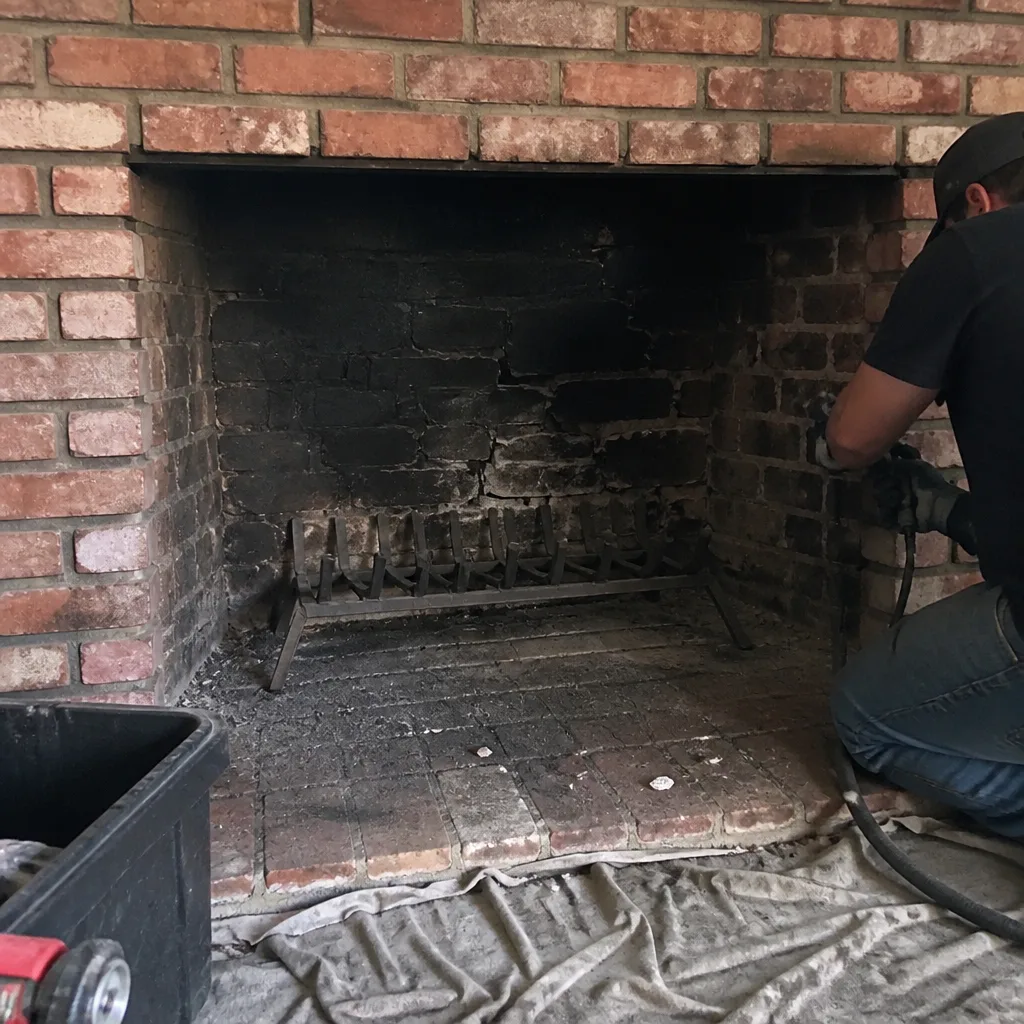 Before
 After
 Before
 After
Frequently Asked Questions
Once a year for most homes, timed before the first fire of the season. If you burn frequently or notice heavy creosote, you may need it more often. Call (877) 792-7251 for an exact quote – estimates are free.
Not always. Many damaged flues can be restored with HeatShield ceramic resurfacing rather than a full replacement, and we recommend a liner only when the inspection evidence shows it’s needed. You’ll see the camera findings before anything is recommended. Call (877) 792-7251 for a free estimate.
Creosote builds up in layers, and glazed creosote is highly combustible, which raises the risk of a chimney fire. Skipping the sweep also lets water intrusion and wildlife blockages go unnoticed. Call (877) 792-7251 to book a sweep and inspection.
Many sweeps and repairs can be handled the same day, depending on what the inspection finds. We answer 24/7, with fast dispatch from 7am to 7pm, Sunday through Friday. Call (877) 792-7251 for an exact quote.
A full inspection evaluates the entire system – crown, cap, flashing and liner, not just the firebox – so problems are caught before they turn into structural repairs. We do sweeping, inspection, repair, cap and crown work, and fireplace repair under one roof. Call (877) 792-7251 for a free estimate.
Yes. Gas fireplaces still need inspection for venting, debris and component wear, even though they don’t build creosote the way wood fires do. We also handle fireplace repair when something needs fixing. Call (877) 792-7251 for an exact quote – estimates are free.
The Bottom Line
A chimney checklist for Floral Park has to match this climate: a long dry summer that invites wildlife and dries out masonry, a mild winter that hides slow failures, and intermittent use that quietly builds glazed creosote. The annual sweep and full-system inspection is the backbone. Around it, run the month-by-month tasks, keep the ground-level checks going, do the 90-second first-fire check every season, and log everything you have done. That record protects your warranty, your insurance claim and your home. Your chimney system – not just your flue – is what needs watching.
Written by the team at Chimney Sweep Floral Park.