
Last updated November 25, 2026
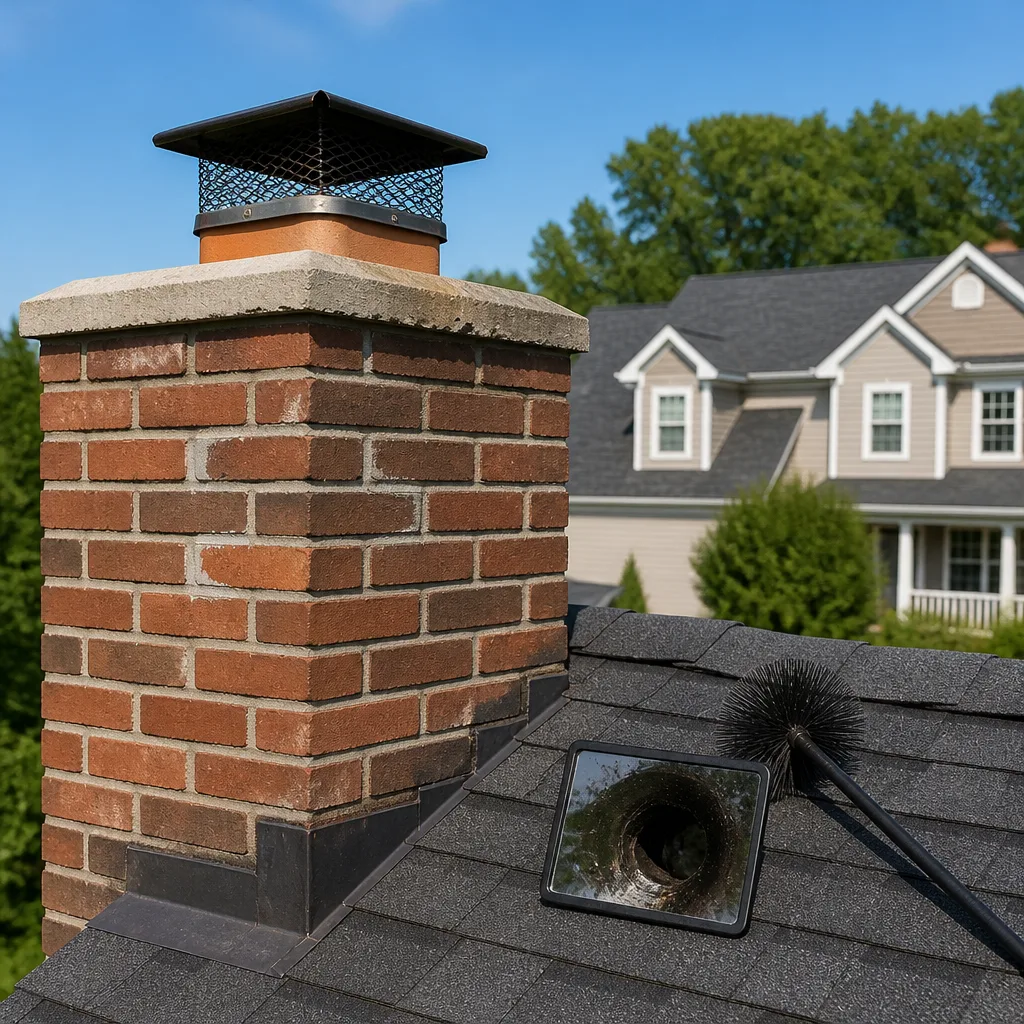 Sweep & inspection
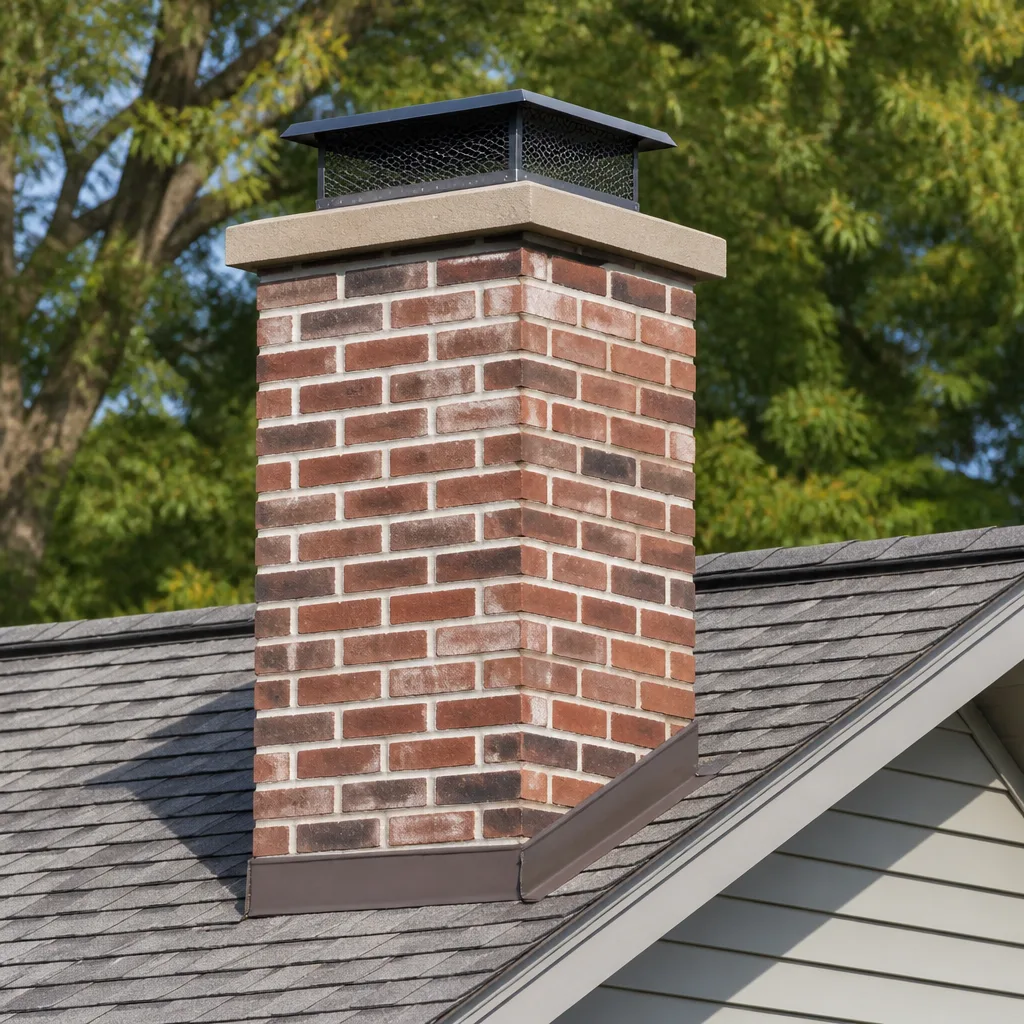 Caps & crowns
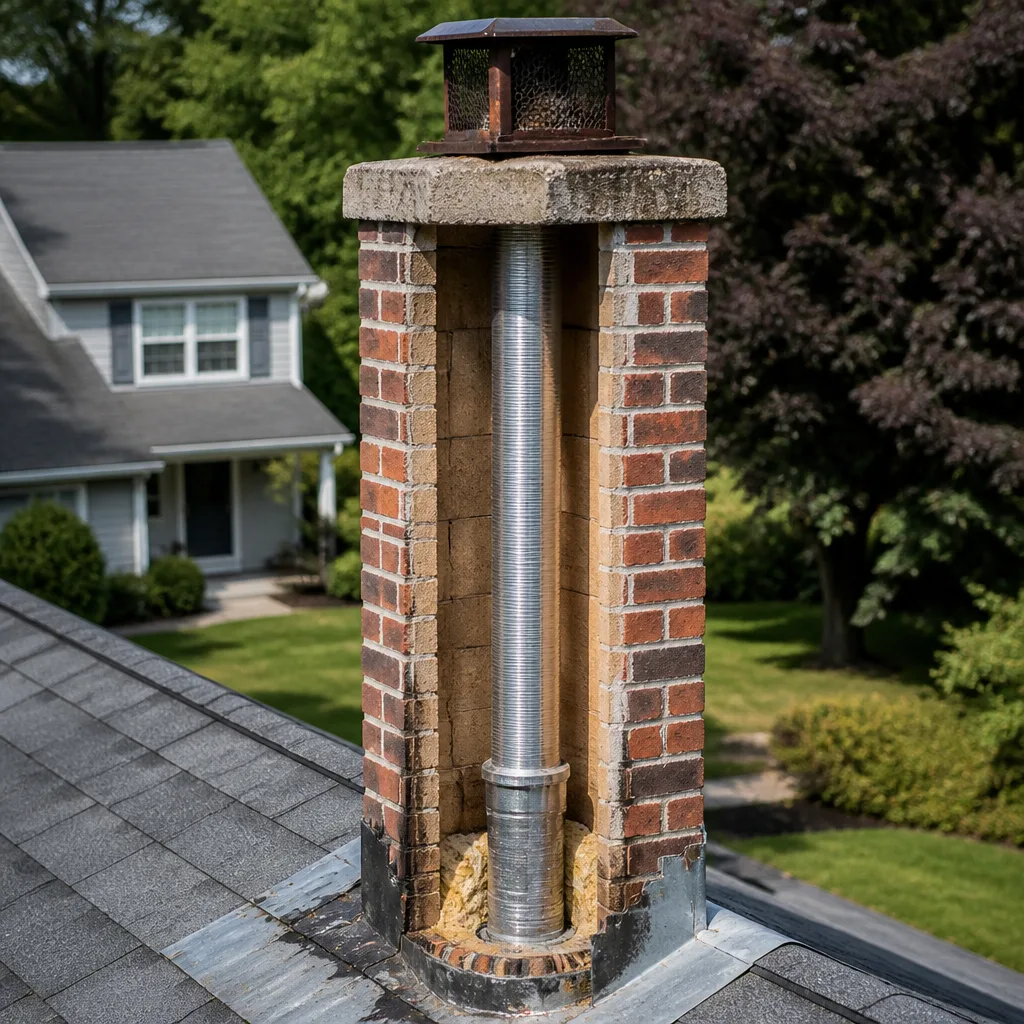 Flue relining
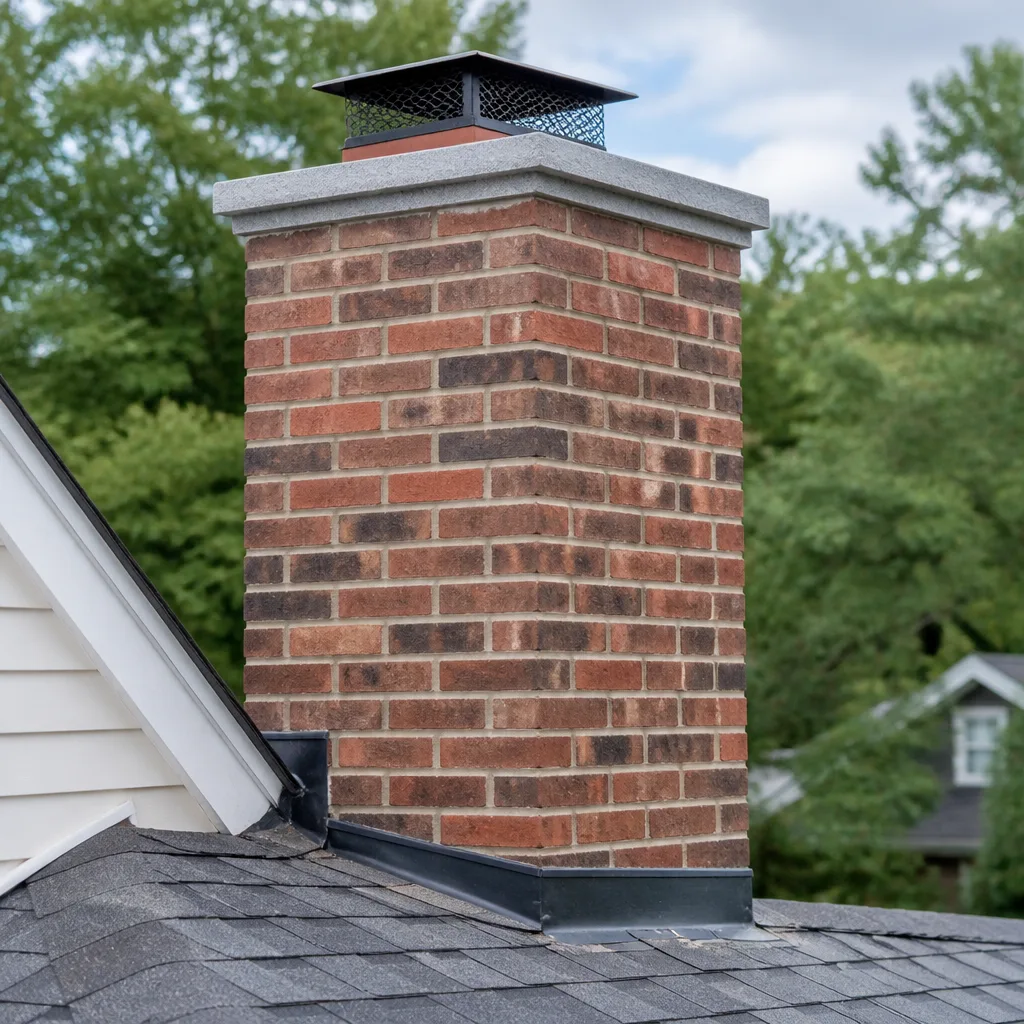 Masonry repair
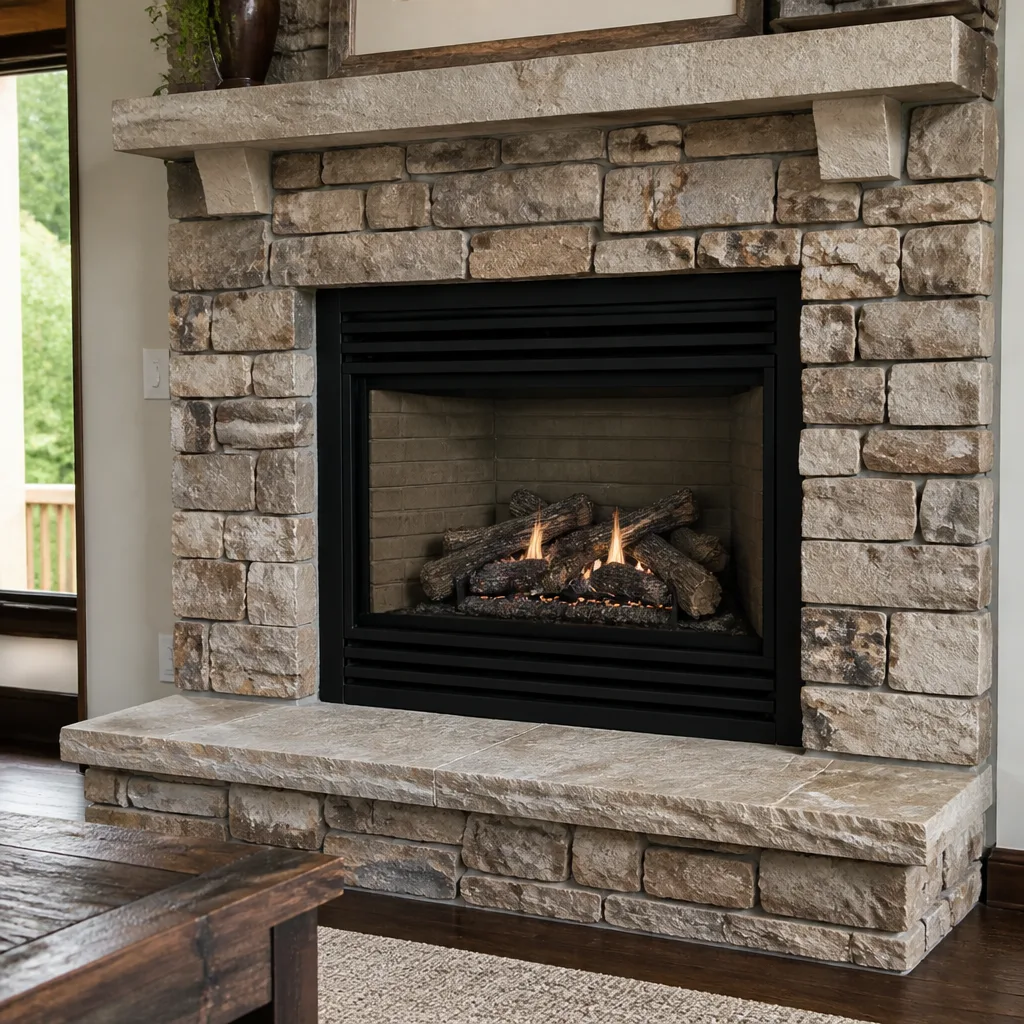 Gas fireplace service
Level 1 sweep and inspection to the NFPA 211 annual standard - flue, crown, cap, and flashing checked and photographed
Chimney sweep logs do not sweep chimneys. They loosen some creosote - which then falls where a brush and vacuum still have to collect it.
The Complete Guide to Chimney Cleaning in Floral Park
Here’s the uncomfortable truth about chimney fires: most of them start in chimneys that were swept. A brush clears creosote from the flue and the homeowner checks “chimney maintenance” off the list, but nobody looks at the smoke chamber, the damper, the crown, or the mortar joints. The sweep happened. The inspection didn’t. What follows is the complete picture of what chimney cleaning in Floral Park should actually involve, how our mild coastal-adjacent climate shapes creosote buildup here, how to read an inspection report, and how to tell cosmetic findings from safety-critical ones.
Quick Answer
Chimney cleaning in Floral Park is a two-part job: the sweep removes creosote and blockages, and a Level 1 or Level 2 inspection (depending on whether your home is changing hands or has had a change to the system) evaluates the full chimney structure – firebox, smoke chamber, damper, flue, crown, and cap. A cleaning without an inspection leaves structural problems undetected, which is why we treat the sweep as the starting point rather than the finished product. Most homes here need a sweep roughly once a year given the volume of burning a typical Floral Park household does.
Styles & brands we work with
- Sweep & inspection
- Caps & crowns
- Flue relining
- Masonry repair
- Gas fireplace service
Table of Contents
- What a Chimney System Actually Includes (It’s More Than the Flue)
- How Floral Park’s Climate Shapes Your Creosote Buildup
- Level 1, Level 2, and Level 3 Inspections: When Each Is Triggered
- Why a Clean Chimney Can Still Be Dangerous
- How to Read a Chimney Cleaning Report
- What a Professional Sweep and Inspection Looks Like, Step by Step
- How Often Should You Schedule a Cleaning in Floral Park?
- Common Mistakes to Avoid
- When to Call a Professional
- Frequently Asked Questions
What a Chimney System Actually Includes (It’s More Than the Flue)
Most homeowners think of the chimney as a pipe with smoke in it. The flue is the passage, but the chimney is a system, and every component in that system affects how often it needs cleaning and what kind of shape it’s in when the sweep arrives. When we talk with Floral Park homeowners about their chimney, we walk through each piece because each one has its own failure mode.
The firebox is where combustion happens. Brick and mortar in the firebox take the direct heat, so they crack and spall first. Damaged firebox mortar changes the airflow pattern, which changes how completely the wood burns, which changes how much creosote ends up in the flue. Cleaning that skips the firebox isn’t really cleaning; it’s brushing a symptom.
The smoke chamber sits above the firebox, tapering from the wide opening of the fireplace up to the flue. It’s sloped, irregular, and notoriously hard to reach with a standard brush. Smoke slows in the chamber and deposits creosote there, often more heavily than in the flue. A sweep who only runs a brush up the flue leaves the smoke chamber untouched. This is one reason a true professional cleaning in Floral Park looks different from the fifteen-minute version some services still offer.
The damper is the metal plate that opens and closes the flue. A damper that doesn’t seal fully wastes heat and lets cold outside air down into the flue when the fireplace is idle. Stuck or rusted dampers are common in older Floral Park homes, especially when the fireplace has gone unused for years. The damper needs to move freely and close tightly, and we check it during every cleaning.
The crown is the concrete cap at the very top of the chimney. It’s designed to shed water away from the masonry. When a crown cracks, water gets into the brickwork and freeze-thaw damage begins. chimney cap & crown work is a preventive specialty most sweep-only providers don’t offer, and it’s often the repair that saves the chimney from bigger structural problems down the road.
The chimney cap covers the flue opening. It keeps rain, birds, squirrels, and debris out of the flue. A missing or damaged cap is one of the most common causes of water intrusion we find, and a chimney without one is on track for a liner replacement it wouldn’t otherwise need.
Every one of these components affects the chimney cleaning. A sweep that only handles the flue leaves the rest of the system to discover its own problems, usually at the worst possible moment. Your chimney system – not just your flue – is what needs attention.
How Floral Park’s Climate Shapes Your Creosote Buildup
Floral Park sits in a coastal-adjacent climate with mild winters and a long shoulder season where the fireplace is used in short bursts rather than sustained burns. That pattern produces a specific creosote accumulation problem: shorter, cooler, intermittent burns deposit more unburned material in the flue than long hot fires. The flue never gets hot enough for long enough to help drive off moisture and some of the buildup.
A cold-climate household burning continuously through a hard winter often generates creosote that’s drier and less sticky because the firebox stays uniformly hot. A Floral Park household burning on weekend evenings through November and December tends to generate glazed or sticky creosote because the wood smolders at lower temperatures between burns. Glazed creosote is harder to remove with a standard brush and is more flammable than the dry, sooty version.
Compare the two patterns:
- Cold continuous-burn climate: more wood burned overall, but higher firebox temperatures dry out the deposits. Creosote tends to be flaky and easier to sweep.
- Mild intermittent-burn climate (Floral Park): less wood burned, but each burn is cooler and shorter. Creosote tends to glaze, stick to flue walls, and resist standard brushing.
The practical consequence is that a Floral Park homeowner can burn only half a cord of wood in a season and still end up with a flue thick enough to need a professional sweep and possibly a chemical treatment for glazed deposits. Judging by the woodpile isn’t a good measure here; judging by what’s on the flue walls is. That’s one reason we recommend checking the flue annually rather than waiting for the “once every few years” interval some colder-weather guides suggest.
Air quality also plays a role. In a mild coastal-adjacent climate, the air carries moisture, and a chimney that’s rarely burning but sits in that humidity can develop internal rust on a metal liner and spalling on brick. During a sweep, we check for both – because rusted liners and cracked brick are safety issues regardless of how clean the flue looks.
Level 1, Level 2, and Level 3 Inspections: When Each Is Triggered
Chimney inspections come in three levels, defined by the scope of what the technician can see with the tools he needs to see it. The difference matters because a Level 1 inspection can miss a serious problem a Level 2 inspection would catch. Here’s how each is triggered.
Level 1 Inspection. This is the routine inspection performed when you’re already having the chimney cleaned, and there’s no reason to suspect anything wrong. The technician examines the readily accessible portions of the chimney – firebox, damper, smoke chamber, flue from the bottom and top, cap, and crown – using basic hand tools and a flashlight. No camera. No dismantling. It’s appropriate when your chimney has been in regular use, hasn’t had any changes, and nothing about its performance has you concerned. For most Floral Park homeowners on a yearly cleaning schedule, a Level 1 inspection is the standard baseline.
Level 2 Inspection. A Level 2 inspection includes everything in Level 1 plus a video camera scan of the flue interior. It’s triggered when the chimney has changed in a meaningful way: a new home purchase, a change in fuel type, a liner replacement or other repair, an earthquake or other event, or a routine Level 1 finding that warrants a closer look. A Level 2 inspection is what most real-estate transactions and post-repair verifications require. It’s also the level you want when you’ve moved into a Floral Park home and have no service history on the chimney.
Level 3 Inspection. This is a diagnostic inspection triggered by a serious concern that requires opening up parts of the chimney to look inside. It follows a Level 1 or Level 2 finding that can’t be resolved from inside the flue or firebox. Level 3 work might involve removing part of the chimney crown, a section of wall, or a portion of the masonry. It’s performed when the alternative is guessing about a problem that could be a fire risk. Level 3 inspections are rare relative to Levels 1 and 2, but when the situation calls for one, it’s the only way to answer the question safely.
Here’s the decision flow we use:
- Routine cleaning, existing use, no changes: Level 1 with the sweep.
- New purchase, fuel change, liner or structural repair, or a questionable Level 1 finding: Level 2 with video.
- A suspected hidden defect that can’t be confirmed from accessible areas: Level 3, opening as little as necessary.
Knowing which level is appropriate for your situation keeps you from paying for a more extensive inspection than you need, and equally from buying a cleaning that’s too shallow to catch a real problem.
Why a Clean Chimney Can Still Be Dangerous
A clean flue is not a safe chimney. We’ve seen Floral Park chimneys that pulled a full brush of creosote and were structurally failing at the same time – cracked firebox mortar, a damaged smoke chamber, a debonded liner, a crown that had cracked through and was letting water into the brick. A brush can’t tell the difference between a safe chimney and a structural problem; it only removes what’s on the surface of the flue walls.
The dangerous combination is a chimney that looks well-maintained because someone has cleaned it every year without ever inspecting it. Over time, the firebox mortar cracks widen, the smoke chamber coating erodes, and the crown develops a hairline crack that lets moisture in. None of these get fixed by cleaning. Each of them increases the fire risk or the structural risk until someone actually looks.
This is where the HeatShield ceramic resurfacing system comes in. For liners that are damaged but not beyond repair, HeatShield can restore the integrity of the flue without a full liner replacement. It’s a repair method most sweep-only providers don’t carry because it requires specialized training and access to the material. When we offer it as an option, it’s because the camera shows us damage we can actually restore – not because we’re looking for something to sell.
The same goes for our fireplace repair service. Firebox mortar repair, damper repair, and smoke chamber work are all structural fixes that protect the chimney’s fire safety. They don’t get addressed by sweeping. They get addressed when an inspection finds them and a repair technician who understands the whole system fixes them.
A clean chimney is the beginning of safety. It’s the inspection and the repair that finish the job.
How to Read a Chimney Cleaning Report
Every professional cleaning should come with a written report. If it doesn’t, the sweep wasn’t really done as a professional service. The report is where you learn what the brush uncovered, and it’s where you can distinguish cosmetic findings from safety-critical ones. Here’s how to read one.
Safety-critical findings need action before the fireplace is used again. These are the items we flag without hesitation:
- Cracked or missing firebox mortar
- Damaged or missing flue liner sections
- A smoke chamber with failing coating or heavy creosote buildup
- A damper that doesn’t seal or open fully
- A missing, damaged, or improperly sized cap
- A cracked crown allowing water intrusion
- Blockage – nests, debris, or a partially collapsed liner
Cosmetic findings are worth noting and worth monitoring, but they don’t make the chimney unsafe today:
- Surface soot that doesn’t affect function
- Light rust on exterior metal components
- A minor finish crack on the chimney exterior that isn’t open or letting water in
- Peeling paint on masonry that isn’t indicating a deeper problem
Monitor-and-recheck findings sit in between. These are items that aren’t a hazard yet but are trending in the wrong direction. A hairline vertical crack in the crown falls here. So does light glazing in a small section of the flue that could be re-checked next season. We tell the homeowner what to look for and when to call.
If a report doesn’t clearly organize findings this way, ask the technician to walk you through it. You should be able to point at any item on the list and get a straight answer to “is this a safety problem or is this maintenance?” We take photos and note camera findings in the report, so the homeowner is looking at the same evidence we’re looking at.
What a Professional Sweep and Inspection Looks Like, Step by Step
A cleaning we do in a Floral Park home follows the same structure every time. The steps aren’t just method – they’re the parts of the job that distinguish a professional service from a quick brush-and-go.
- Protect the living space. Drop cloths go down around the hearth. Negative air pressure keeps dust and soot contained in the work area. If your fireplace is in a finished living room – which is common in Floral Park’s older stock – this step is what keeps the cleanup from becoming a renovation.
- Inspect the firebox and damper first. Before brushing anything, we check the firebox mortar, the damper operation, and the smoke chamber. Findings here can redirect the entire visit, and nothing goes on the report unless it’s been verified.
- Brush the flue from top and bottom. A rotary brush head removes soot and creosote from the flue walls. Heavy glazing may need a chemical pre-treatment to loosen the deposit before the brush can reach the flue surface.
- Sweep the smoke chamber. The smoke chamber gets brushed and, where accessible, scraped. This is the step that most separates a real sweep from a quick one.
- Camera-inspect. If a Level 2 is in scope, we run the camera through the flue. The camera shows cracks, liner damage, and hidden debris. This is where the “clean but not safe” issues surface.
- Check the crown and cap at the top. The technician checks the exterior chimney at the roof: crown condition, cap installation, flashing, and visible masonry cracks.
- Write the report and walk through it. Findings get organized by category – safety-critical, monitor-and-recheck, cosmetic. We point out what we saw and what the options are.
We use professional-grade materials from brands we trust for the work we recommend: Chimney Sweep Floral Park technicians install HeatShield ceramic resurfacing, DuraFlex flexible liner systems, and components from Gelco, Olympia Chimney, and Famco. The point of naming the brands is that the repair has to hold. A liner restoration or a crown rebuild is something the homeowner will live with for years, and the material quality matters as much as the installation does.
Our technicians have up to 10 years of experience in this work. They’ve seen the difference between a chimney that looked fine during a brush and one that turned out to have structural damage behind the flue. That experience is the reason we don’t treat the sweep as the end of the appointment.
How Often Should You Schedule a Cleaning in Floral Park?
A chimney cleaning in Floral Park should happen about once a year for a household that uses the fireplace regularly during the mild burn season. The frequency isn’t driven by calendar years; it’s driven by how much creosote has built up, which depends on how often you burn and how hot your fires get. A homeowner who uses the fireplace a few evenings a week through the season can build a dangerous deposit in one year, while someone burning once a month for a month can go longer.
A general rule of thumb: any time the deposit on the flue walls reaches about a quarter inch, it’s time for a sweep. Because Floral Park’s intermittent burn pattern tends to produce glazed deposits faster than continuous burning does, a quarter inch can show up sooner than the homeowner expects. That’s why we recommend an inspection-and-clean check once a season rather than waiting for the problem to announce itself.
Beyond the flue itself, there are event-based triggers that call for a cleaning regardless of the calendar:
- A change of fuel type – converting from wood to gas or vice versa
- A change in appliance – new insert, new fireplace, or a new damper
- A recent chimney fire or a suspected one
- Animal nesting or debris blocking the flue
- Smoke spilling into the room when the fireplace is in use
- A strong odor from the chimney when it’s not burning
- A new-home purchase where the chimney’s history is unknown
If any of those apply, book a cleaning and inspection rather than waiting for your next annual appointment. The chimney sweep is the routine; the triggers are the moments when routine gets moved up.
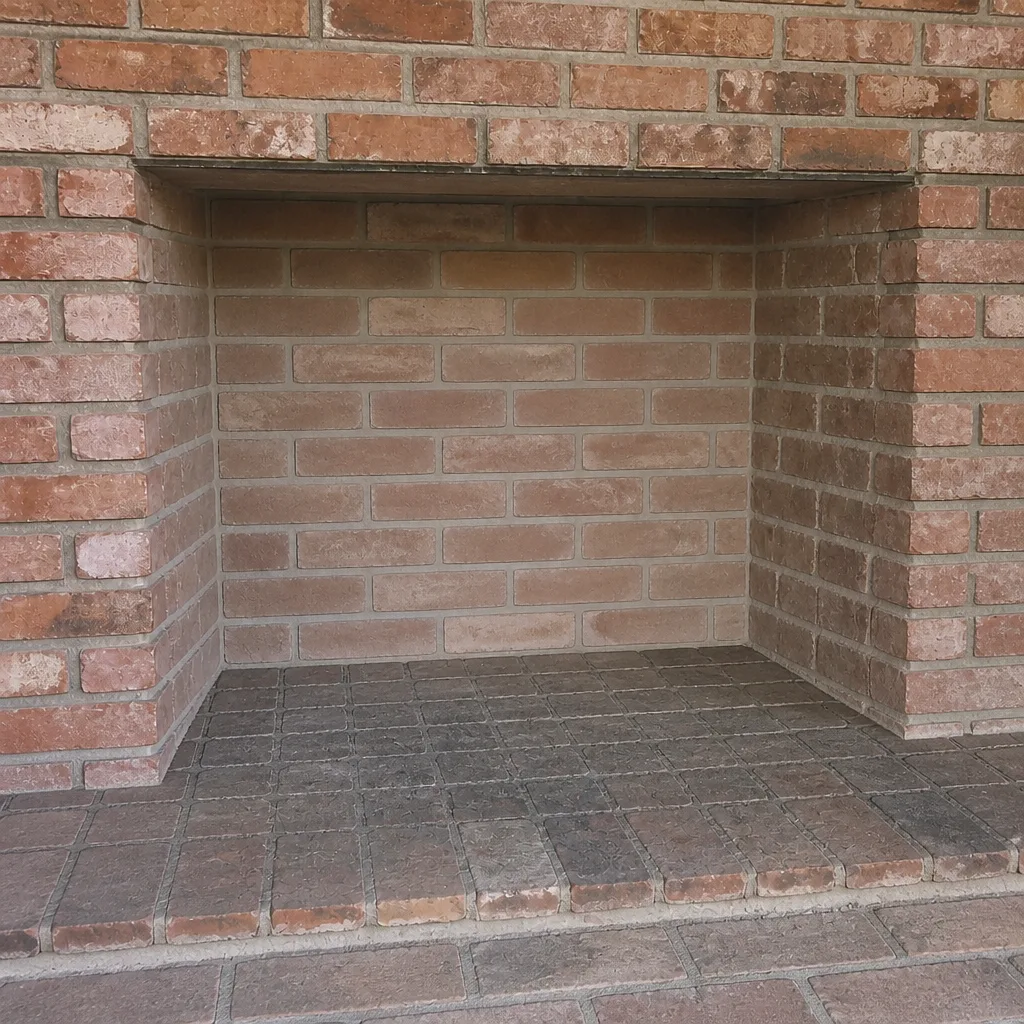
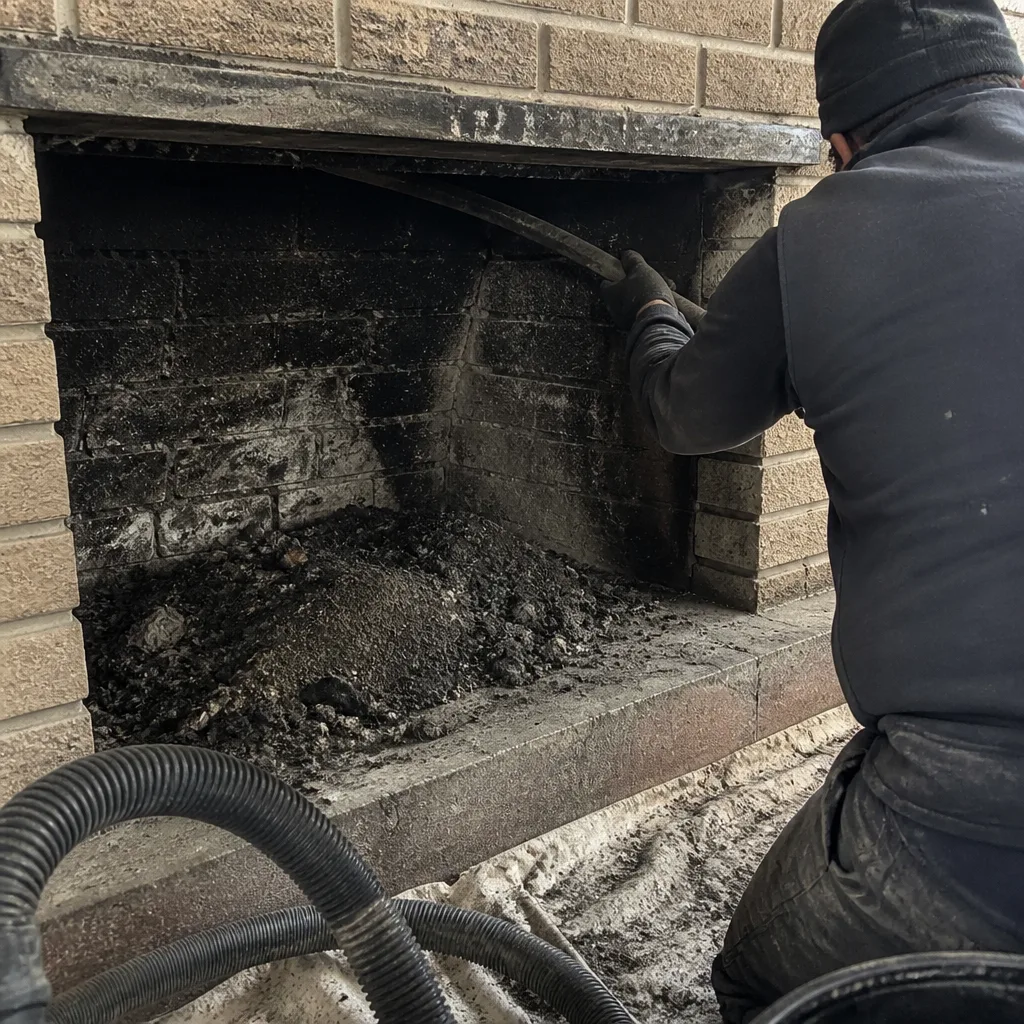
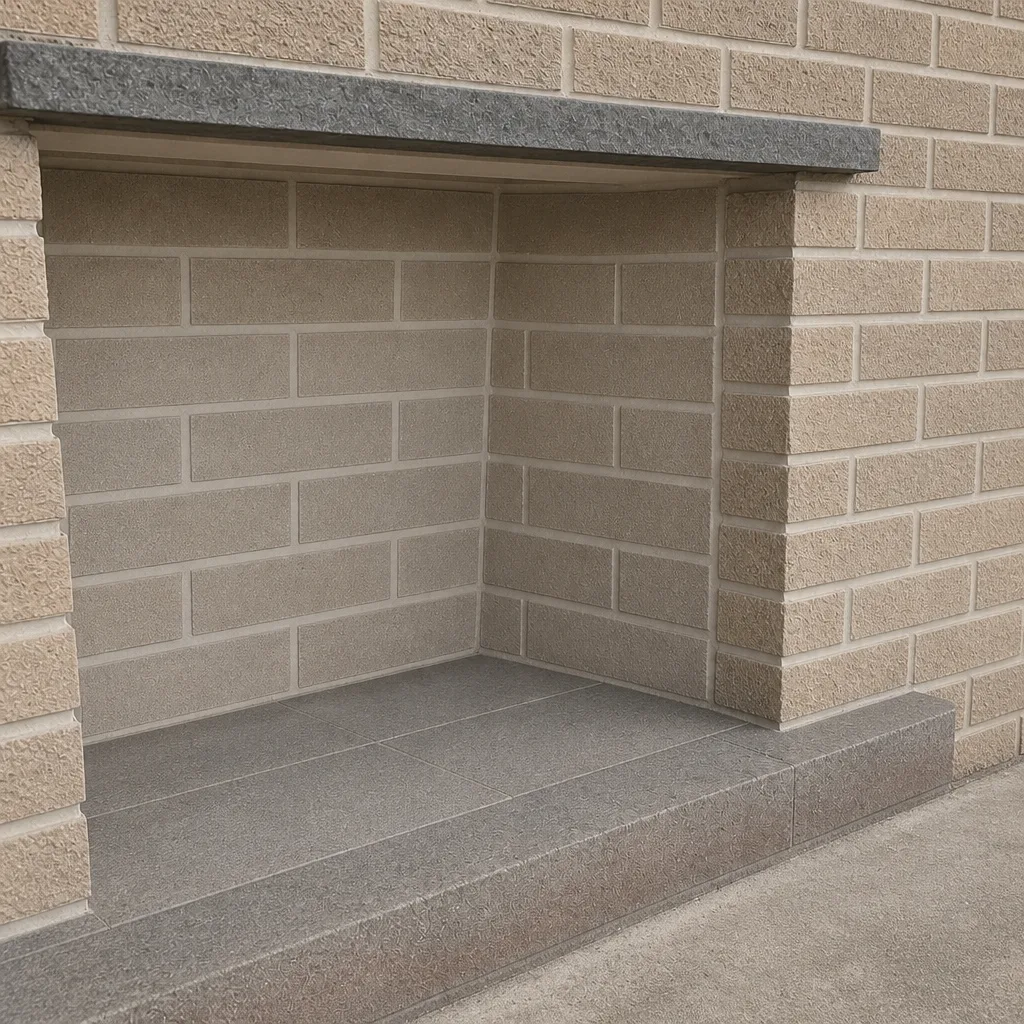
See the difference
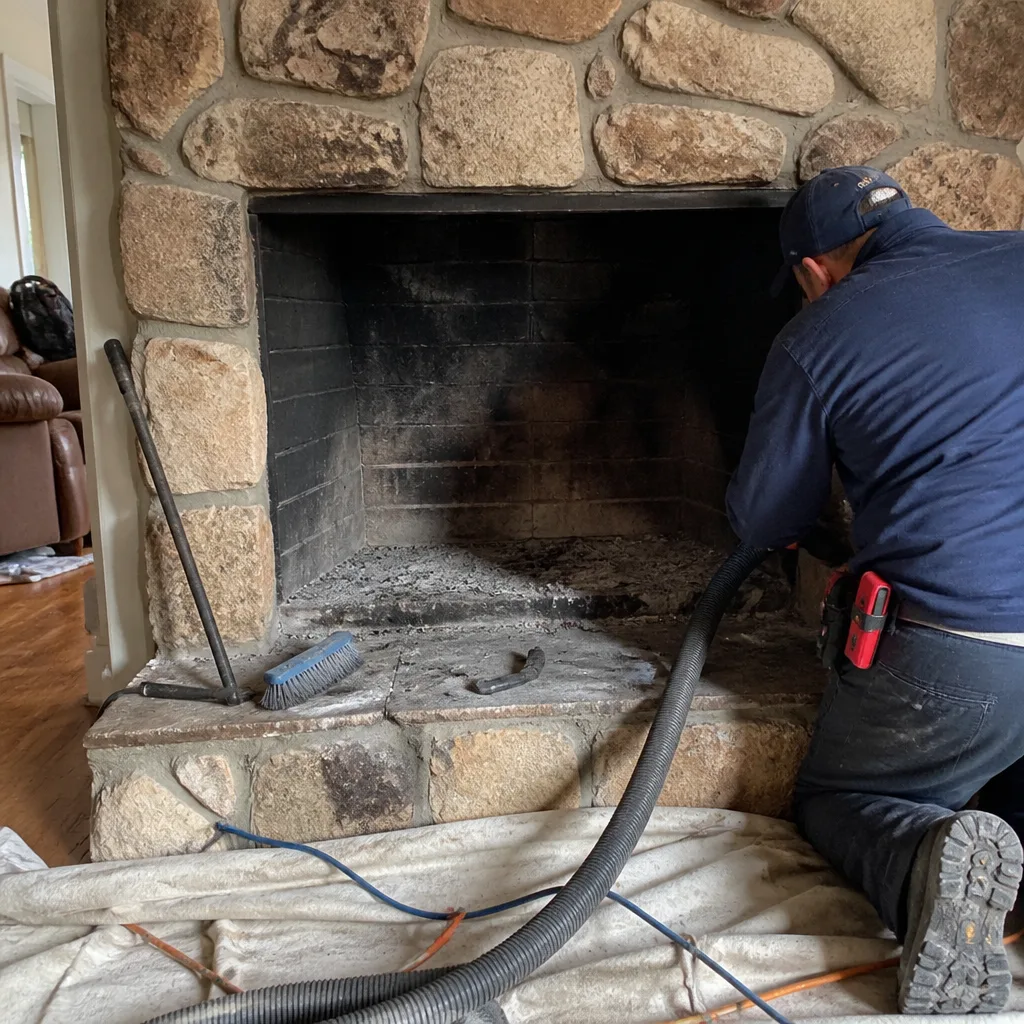 Before
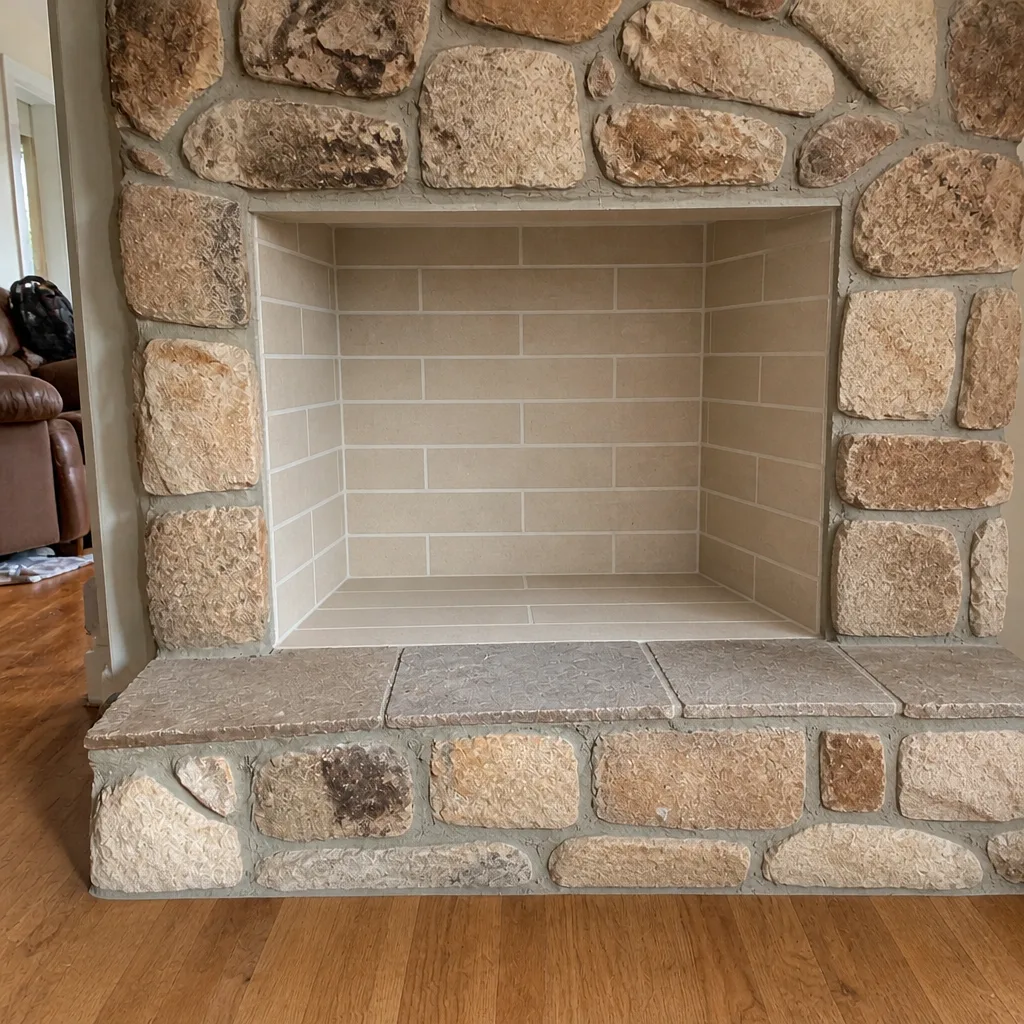 After
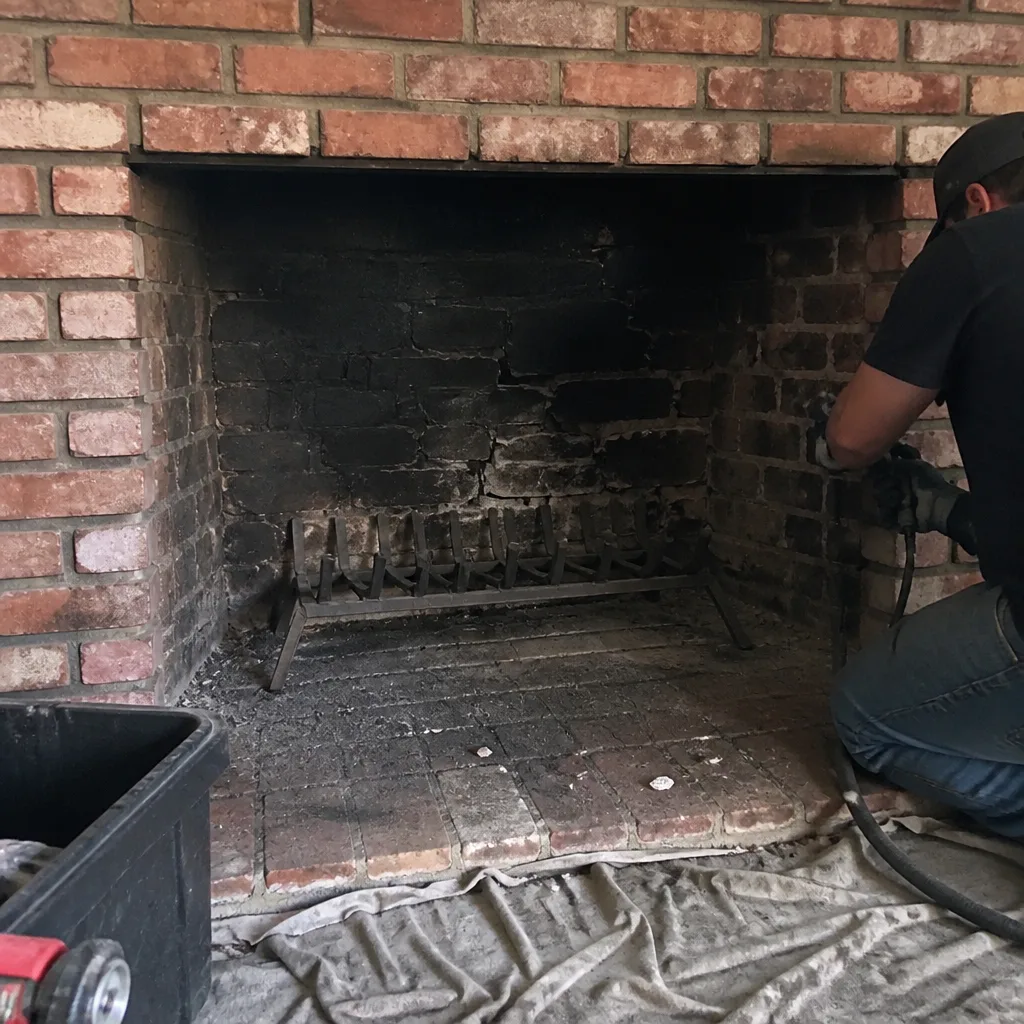 Before
 After
 Before
 After
Common Mistakes to Avoid
Between our chimney sweeps and the conversations we have with Floral Park homeowners, a few mistakes come up over and over. Each one costs money or creates risk, and each one is easy to avoid once you know to look for it.
- Treating the sweep as the whole job. A brush in the flue does nothing for cracked firebox mortar or a failing crown. If the sweep doesn’t include an inspection, you’ve cleaned the symptom and missed the cause.
- Waiting for a visible problem. Creosote glazing happens inside the flue. You can’t see it from the living room, and a chimney that looks fine from the outside can have a quarter inch of flammable deposit on the flue walls. The right move is an annual check, not a “wait until something looks wrong” approach.
- Assuming a mild climate means a low-need chimney. Floral Park’s warmth cuts down on snow and freeze risks, but the intermittent burn pattern that comes with mild winters is actually harder on the flue from a creosote standpoint. Don’t skip the season just because you didn’t burn a cord.
- Skipping the smoke chamber. Standard brushes don’t reach the smoke chamber the way the flue needs to be reached. If the sweep quote doesn’t mention the smoke chamber, ask what’s being done to it.
- Ignoring the crown and cap. A cracked crown lets water into the brick, which leads to spalling and structural damage that costs far more than a crown repair. A missing cap lets animals in and lets water into the flue. These are the top water-intrusion sources we find in Floral Park.
- Hiring a generalist. A handyman who sweeps a chimney as an add-on service doesn’t have the camera equipment, brand access, or training for liner restoration or HeatShield resurfacing. If the job turns out to need more than a sweep, the generalist has to refer it out – which means the accountability ends with the referral.
- Ignoring the report’s “monitor” list. Cosmetic today, structural tomorrow. If the report flags a hairline crown crack or early glazing, the smart move is to schedule the repair before it becomes a bigger job, not after.
When to Call a Professional
Not every chimney question needs a technician on-site, but these situations do. If smoke spills into the room when the fireplace is in use, if you smell a strong creosote odor when the fireplace is idle, if the damper sticks or won’t close fully, or if you’ve never had the chimney inspected since moving into the home, those are calls worth making sooner rather than later. The same goes for anything the report flagged last season and you never got to. A chimney that hasn’t been checked in years is a chimney with an unknown service history, and that’s the gap a professional cleaning and inspection closes.
Our chimney sweep service in Floral Park includes the inspection as part of the visit, and we walk you through the report before we leave. Chimney Sweep Floral Park offers free estimates in Floral Park – call (877) 792-7251. We answer 24/7. Fast dispatch from 7am to 7pm, Sunday through Friday.
Frequently Asked Questions
Chimney cleaning in Floral Park is priced per job based on the size and condition of the chimney system, and every quote we give is a written estimate. The sweep itself is the routine part of the price; the inspection, camera work if needed, and any repair recommendations are quoted separately so you know what you’re paying for before any work starts. The final price is set by the written estimate, and the estimate is free. Call (877) 792-7251 for an exact quote.
A sweep without an inspection leaves structural problems undetected, so we treat the two as one job. The brush removes creosote; the inspection checks the firebox, smoke chamber, damper, flue, crown, and cap for the defects that sweeping can’t fix. In Floral Park’s intermittent burn pattern, glazed creosote can hide structural damage that only a camera inspection catches. The inspection is part of the cleaning, not an add-on. Call (877) 792-7251 for a free estimate.
About once a year for a household using the fireplace regularly, and sooner if a specific trigger applies – a new purchase, a fuel change, a chimney fire, animal nesting, or smoke spilling into the room. A quarter inch of creosote on the flue walls is the general threshold for a sweep. Because Floral Park’s mild burn season tends to produce glazed deposits faster than continuous cold-climate burning does, the annual check is worth keeping even in a year when you burned less wood than usual. Call (877) 792-7251 for a free estimate.
Creosote accumulates on the flue walls with every burn, and once it builds up enough it becomes a fire risk. A chimney fire can damage the liner, the smoke chamber, and in serious cases the structure of the chimney itself. Separately, a crown or cap that goes unrepaired lets water into the brick and leads to spalling and structural damage that costs more to fix than the cleaning would have. Skipping a season doesn’t produce an immediate visible problem – that’s exactly what makes it easy to skip. Call (877) 792-7251 for a free estimate.
Yes. Gas fireplaces vent through a flue and accumulate different deposits than wood-burning fireplaces, and they still need periodic inspection for venting integrity, cap condition, and water intrusion. Gas chimneys can develop rust on metal liners and can have venting problems that aren’t visible from the firebox. We inspect gas chimneys as part of the same full-system approach we use for wood-burning systems in Floral Park. Call (877) 792-7251 for a free estimate.
Before a liner replacement gets recommended, we want to know if a restoration is possible. HeatShield ceramic resurfacing can restore damaged liner integrity in cases where the liner is compromised but not beyond repair, which extends the chimney’s life without a full replacement. If the camera shows damage that can be restored rather than replaced, we’ll walk you through that option with the photos in hand. If full replacement is the only safe path, we install DuraFlex flexible liner systems. Either way, the recommendation comes from what the camera shows, not from a sales script. Call (877) 792-7251 for a free estimate.
The Bottom Line
Chimney cleaning in Floral Park is a system inspection that includes a sweep, not a sweep that happens to include an inspection. Your chimney has a firebox, a smoke chamber, a damper, a flue, a crown, and a cap – and every one of them affects how often you should clean and how safe the chimney really is. Our mild, intermittent burn pattern produces glazed creosote faster than colder climates do, which makes the annual check more important here, not less. Know which inspection level applies to your situation, read the report carefully, and treat “monitor” findings as a schedule rather than a suggestion. A clean chimney is the beginning. The inspection and repair that follow it are what keep the chimney safe.
If you’re ready to book a cleaning, our team handles sweeping, inspection, chimney cap & crown work, and fireplace repair under one roof, using professional-grade products from HeatShield, DuraFlex, Gelco, Olympia Chimney, and Famco. Call (877) 792-7251 for a free estimate. We answer 24/7. Fast dispatch from 7am to 7pm, Sunday through Friday.
Written by the team at Chimney Sweep Floral Park.