
Last updated November 25, 2026
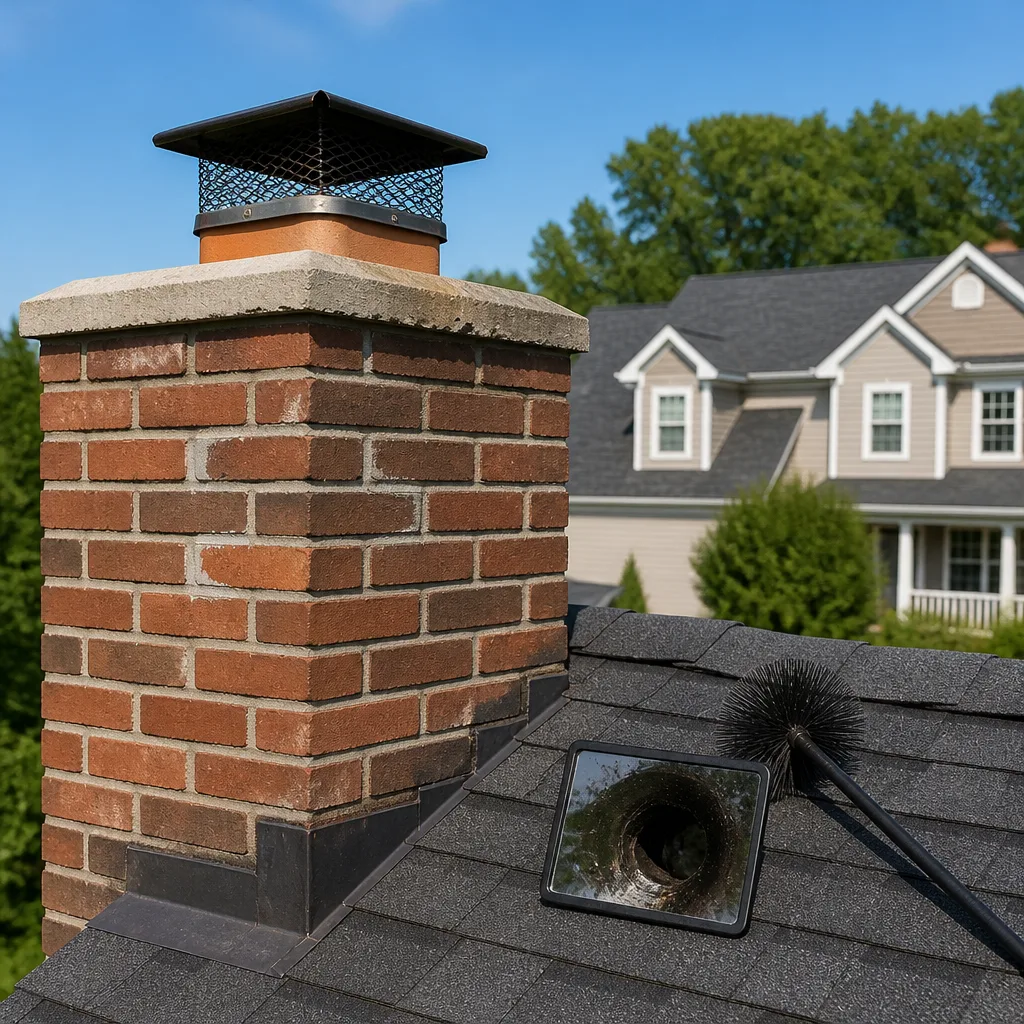 Sweep & inspection
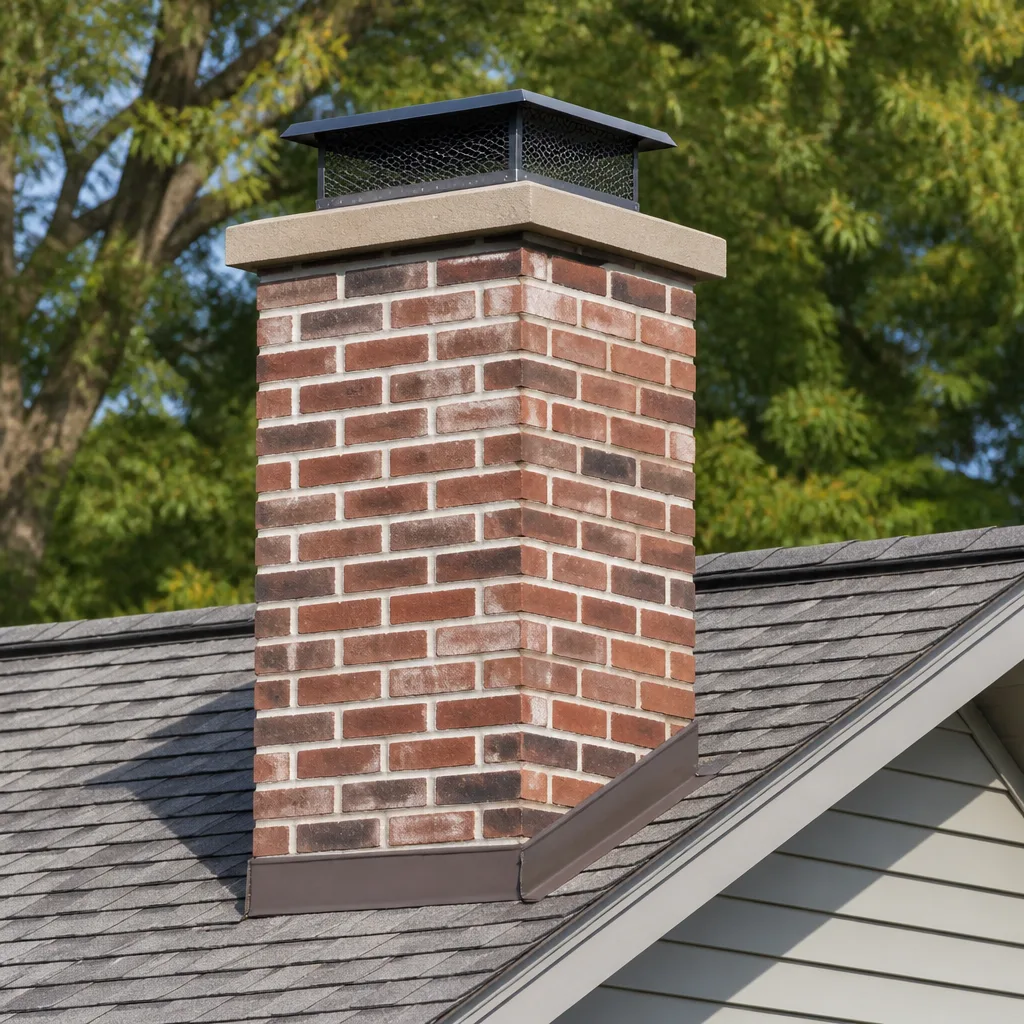 Caps & crowns
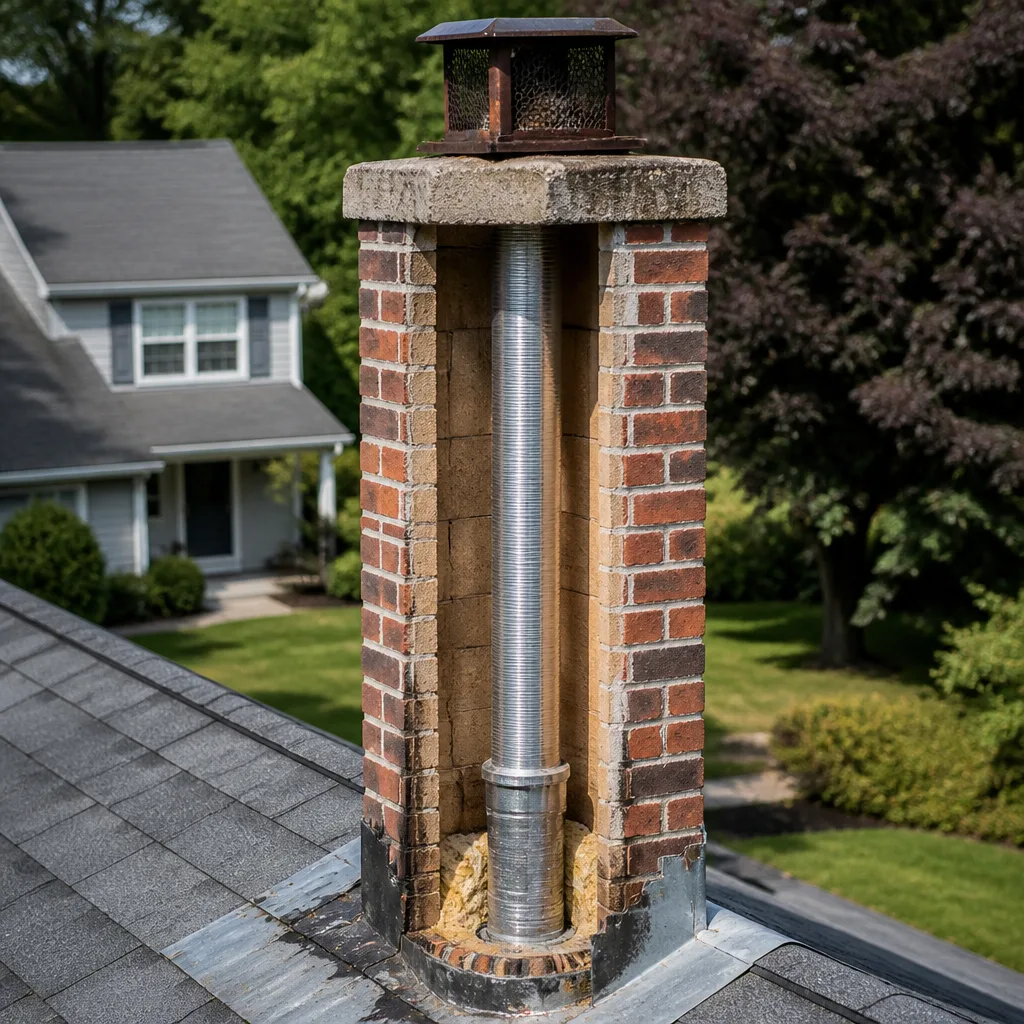 Flue relining
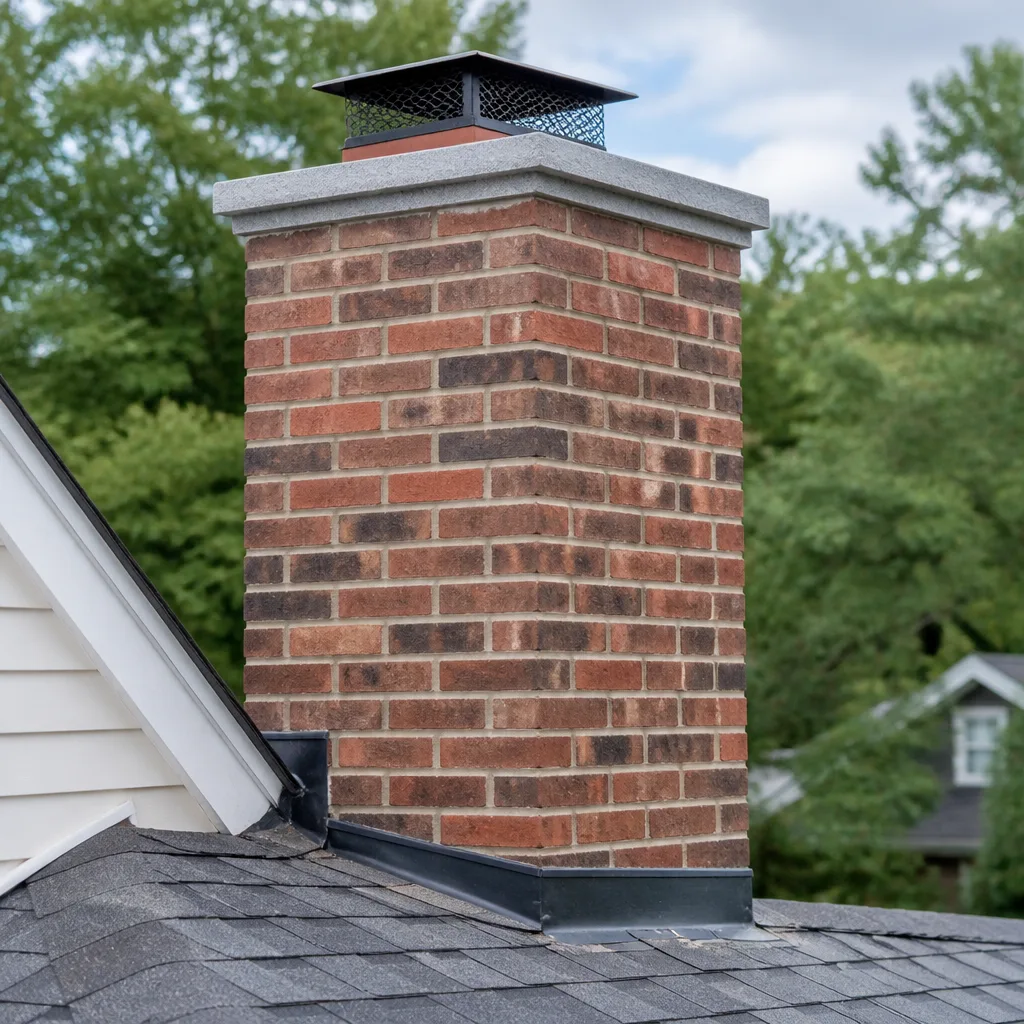 Masonry repair
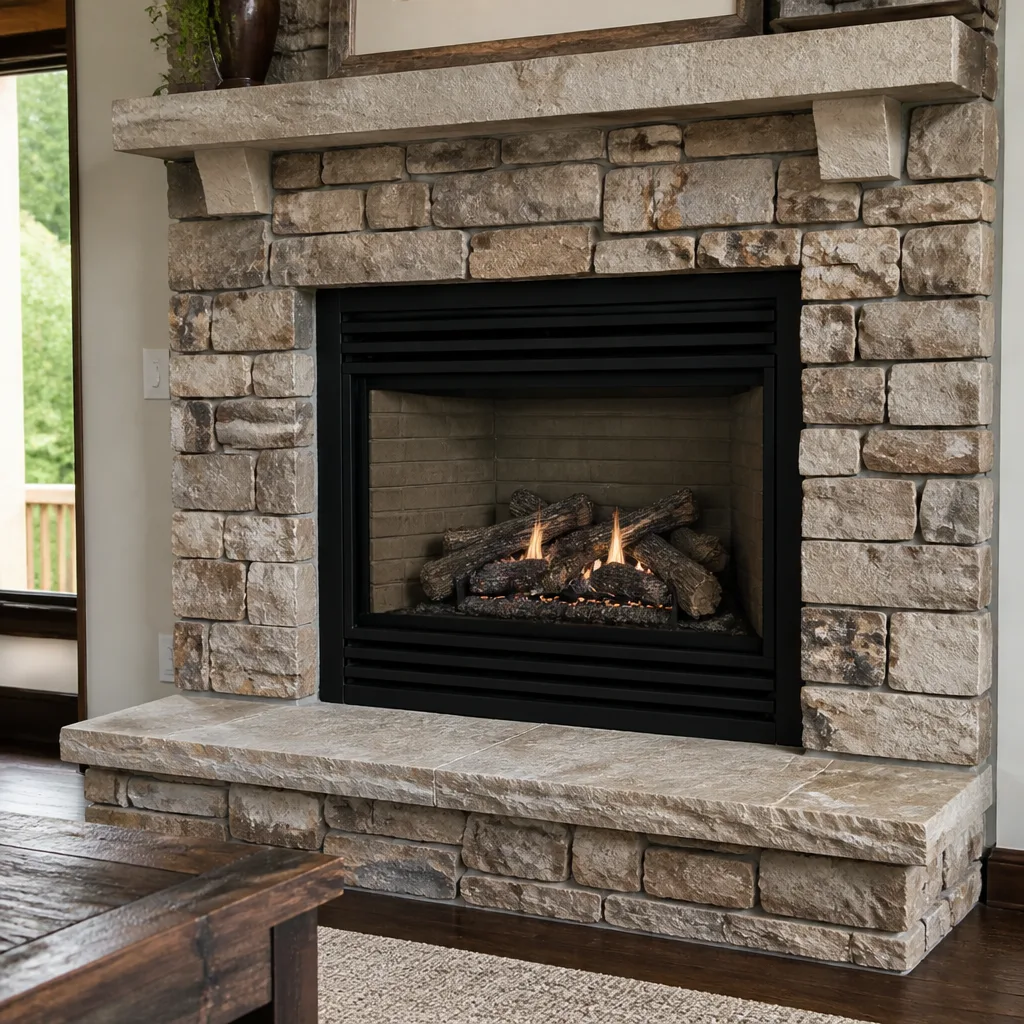 Gas fireplace service
Level 1 sweep and inspection to the NFPA 211 annual standard - flue, crown, cap, and flashing checked and photographed
Chimney sweep logs do not sweep chimneys. They loosen some creosote - which then falls where a brush and vacuum still have to collect it.
DIY vs Professional Chimney Cleaning: The Floral Park Homeowner’s Decision Guide
You can run a chimney brush up and down a flue correctly, with good technique, and still leave the most dangerous deposit in your chimney untouched. That’s the part most DIY guides never mention. The brush handles the flue; it doesn’t reach the smoke chamber, the shelf above the damper, or the glazed creosote baked onto the walls at the top of the firebox. Those are the places chimney fires start. This guide walks Floral Park homeowners through what a brush kit genuinely accomplishes, where DIY becomes a false sense of safety, and how to weigh the real cost of doing it yourself against a professional cleaning.
Quick Answer
Professional chimney cleaning is the right call for most Floral Park homeowners because a hardware-store brush kit only cleans about 30% of the system – the straight flue – while leaving the smoke chamber, damper shelf, and glazed creosote uninspected and untouched. DIY sweeping makes sense only for a lightly used, recently inspected chimney with no known deposits above first-degree. Anything beyond that needs containment equipment and trained eyes.
Styles & brands we work with
- Sweep & inspection
- Caps & crowns
- Flue relining
- Masonry repair
- Gas fireplace service
Table of Contents
- What a DIY Brush Kit Actually Cleans
- The Smoke Chamber: Where the Brush Can’t Go
- Third-Degree Creosote and Why Brushing It Loose Is a Fire Risk
- When DIY Cleaning Is Genuinely Appropriate
- When DIY Creates a False Sense of Safety
- The Containment Problem: Dust, Soot, and Your Living Room
- The Insurance and Liability Dimension
- The Honest Cost Comparison for Floral Park Homeowners
What a DIY Brush Kit Actually Cleans
A standard homeowner chimney brush does one job well: it scrubs loose soot and light creosote from the straight vertical run of the flue. That’s real work, and it matters. But it’s a fraction of what a full cleaning involves. The brush follows the flue because that’s the only path it can follow. It doesn’t turn corners, it doesn’t reach into recesses, and it can’t see what it leaves behind.
Here’s what a professional cleaning covers that a brush kit doesn’t:
- The smoke chamber. The sloped zone above the damper where smoke slows and deposits build up. The brush never enters it.
- The damper shelf and frame. Soot and creosote collect on the ledge and around the damper, out of the brush’s reach.
- The firebox walls and throat. Glaze and soot on the firebox brick don’t come off with a flue brush.
- The flue cap and top. A blocked or damaged cap changes draft and lets water in. You can’t check it from below.
- Visual and optical inspection. A camera and trained eyes catch cracks, gaps, and liner damage the brush glides past.
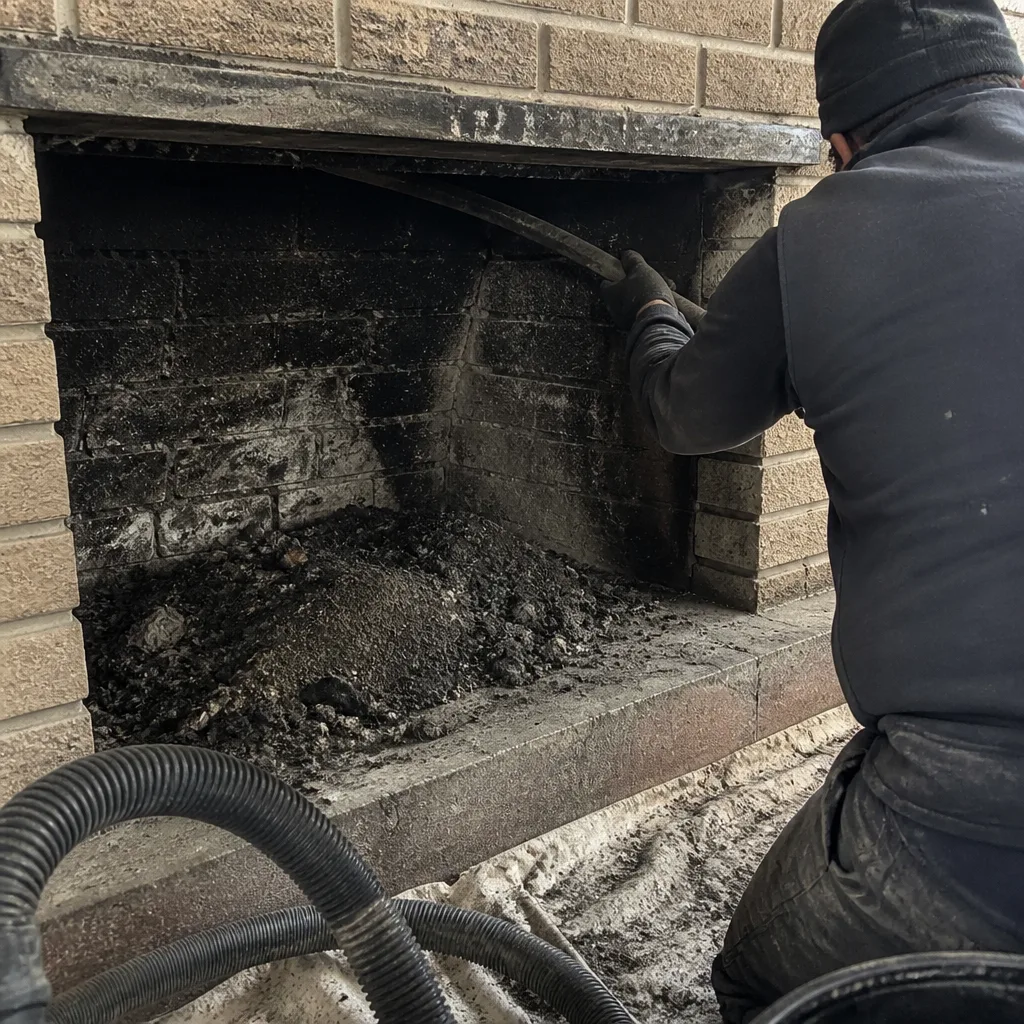
- Containment and cleanup. Professional vacuums trap fine soot at the source instead of redistributing it through your home.
That gap – the 70% a brush kit can’t touch – is the whole case against relying on DIY alone. In Floral Park, where many homes have chimneys that have been in service for decades, the deposits above the damper are often the oldest and thickest in the system. Doing the flue and skipping the smoke chamber is not a partial cleaning. It’s a cleaning that leaves the highest-risk area untouched.
The Smoke Chamber: Where the Brush Can’t Go
The smoke chamber is the tapered space between the top of the firebox and the base of the flue. Smoke rolls through it on every fire, slowing as it narrows, and that’s exactly why creosote condenses there. It’s also, by a wide margin, where chimney fires originate – the deposit sits close to the fire, the surface is irregular, and heat concentrates at the taper.
Why doesn’t the brush reach it? Geometry. A flue brush travels on a rod down the center of the flue. The smoke chamber corbels inward below the flue tile, and the brush simply stops at the transition. A technician cleans the chamber with hand tools and shaped brushes worked from the firebox side, then inspects the surface with a camera. It’s slow, physical work, and it needs to be done carefully so loosened deposits are captured, not scattered.
In our experience across Floral Park, the smoke chamber is consistently where the most telling buildup hides. A homeowner who sweeps the flue every year and feels confident about it can still have a heavily glazed chamber because the brush never went there. That’s the misconception this guide exists to correct: cleaning the flue and cleaning the chimney are not the same task. Your chimney system includes the cap, crown, flue, smoke chamber, damper, and firebox, and a cleaning that stops at the flue is only a starting point, not an endpoint. A proper chimney sweep works the whole assembly.
Third-Degree Creosote and Why Brushing It Loose Is a Fire Risk
Creosote forms in three recognizable stages, and they behave very differently under a brush.
- First-degree creosote is a light, flaky soot. A brush removes it without much trouble. This is the only stage where DIY sweeping reliably works.
- Second-degree creosote is a crusty, tar-like layer that clings to the flue wall. A brush can knock some of it down, but it often leaves a hardened film behind.
- Third-degree creosote is glazed, shiny, and hard as varnish. It’s fused to the flue tile. A standard brush skates over it, and scraping at it with hand tools risks cracking the tile or driving flakes deeper into the system.
Third-degree creosote is the most combustible form, and it’s the one most likely to ignite because it sits close to the heat source. It’s also the one most resistant to mechanical cleaning. When a homeowner tries to sweep glazed creosote loose from the top down, the flakes and chips can lodge in the smoke chamber or damper area, creating a concentrated fuel pocket right where the fire is hottest. That’s the fire risk people don’t anticipate. Loosening it without removing it can make the hazard worse, not better.
Removing third-degree creosote safely takes specialized tools, controlled scraping, and often chemical treatment that softens the glaze over time before it’s removed in a follow-up visit. It also takes a technician who can recognize the stage and decide which method is safe. If you shine a flashlight up your flue and see a glossy, tar-like surface rather than dull gray ash, stop and call a professional. Our technicians have up to 10 years of experience reading exactly that signal.
When DIY Cleaning Is Genuinely Appropriate
DIY isn’t always wrong. There’s a narrow set of conditions where a homeowner with a proper brush kit and safe roof or firebox access can handle a sweep themselves without creating risk. All of these should be true:
- The chimney was professionally inspected within the last year and cleared of damage.
- You’ve only burned seasoned hardwood, and you know the flue shows first-degree soot, not glaze.
- You’ve used the fireplace lightly – a handful of fires over a season, not nightly burning.
- You’re sweeping the flue only to remove light flake soot between professional visits.
- You’re comfortable and safe on the roof or know how to sweep from the firebox without stressing the damper.
If those conditions describe your Floral Park home, a brush kit is a reasonable maintenance tool between professional cleanings. It’s not a replacement for the annual inspection. Think of it like vacuuming between deep cleans – useful, but no substitute for the deep clean itself. And be honest with yourself about the effort. Sweeping from the top down means climbing onto a roof, and for a lot of homeowners that’s the point where the DIY plan should end for safety reasons alone. Roof access on an older home with a sloped or worn roof surface is a real fall hazard. If the roof work makes you uneasy, that’s a sign to book the sweep rather than push through it.
When DIY Creates a False Sense of Safety
The riskiest scenario isn’t a homeowner who skips cleaning. It’s one who sweeps the flue, feels reassured, and assumes the chimney is safe. Here’s where that false confidence becomes a genuine problem in Floral Park:
- An older system you inherited. If you bought a home with a chimney of unknown history, there’s no way to know the state of the smoke chamber or liner from below.
- A chimney that sat unused for years. Long-idle chimneys collect debris, animal nesting, and water damage. A brush doesn’t reveal any of that.
- Glaze you can’t see. A flashlight from the firebox shows you only part of the flue. Glaze higher up or in the chamber is invisible without a camera.
- A cap or crown failing slowly. Water intrusion from a cracked crown or missing cap damages the flue and firebox over time. You can’t see either from the firebox floor.
- A liner with a hidden gap. A crack or gap in the flue liner lets heat and gases reach framing. The brush passes right over it.
In every one of these cases, the DIY sweep resolves the part you can see while the actual hazard stays in place. That’s what we mean when we say the brush work is only 30% of a cleaning. The other 70% is inspection – the trained eyes that spot a failing crown, a damaged liner, or glazed creosote before it turns into a structural repair bill or a house fire. A documented sweep is useful. A sweep that skipped the inspection can leave a homeowner more at ease than is warranted.
The Containment Problem: Dust, Soot, and Your Living Room
Soot is finer than household dust, and when it’s disturbed it goes airborne. Sweeping from above pushes soot down the flue into the firebox, and without a sealed vacuum running at the firebox opening, that fine particulate finds its way into the room. It settles on furniture, gets into HVAC returns, and stains fabric. In a Floral Park home with an open hearth and no sealed containment, one DIY sweep can leave a gray film over the living room that takes a weekend to clean up.
Professional sweeping uses a high-powered HEPA vacuum connected to the firebox opening, creating negative pressure that captures soot as it’s loosened. The technician seals the opening before the brush starts moving. That’s why a proper cleaning leaves almost nothing behind in the room.
You’ll want to protect the surrounding floor and hearth either way, but a shop vacuum pulled up to the firebox won’t hold negative pressure the way a sealed containment system does. The dust escapes around the hose. This is the messy, unglamorous reason professionals invest in equipment, and it’s the reason “the cost of DIY” is higher than the price of a brush kit. The sweep is cleaner than anything you can reasonably set up at home.
The Insurance and Liability Dimension
Here’s the angle almost no DIY guide mentions. If a chimney fire happens, how the chimney was maintained becomes part of the conversation with your insurer. A documented professional cleaning and inspection creates a service record that supports your position. A self-swept chimney leaves only your word that it was cleaned, and if an adjuster asks whether the flue was inspected for internal damage, there’s no record to point to.
That’s not to say a home insurer requires professional cleaning – many don’t spell it out. But chimney fires are treated as preventable in many claim reviews, and the difference between “maintained by a professional with documentation” and “the homeowner swept it” can matter when you’re working through a claim. When you work with a professional, you get a written record of what was found and what was done. That’s the kind of documentation that supports you in a claim and tells the next owner of your home that the chimney was cared for.
None of this is about scaring you into a service. It’s practical. If you’ve inherited a chimney, or bought a Floral Park home recently, have it inspected and documented before the next heating season. That record is worth more than the brush kit you’d buy to skip it.
The Honest Cost Comparison for Floral Park Homeowners
A homeowner can buy a basic brush kit and rods for a modest price, and on paper that looks cheaper than hiring a sweep. But the numbers shift once you add up everything a real cleaning needs. Professional pricing in Floral Park is quoted per job from a written estimate – the price to sweep is not the same as the price to sweep and inspect, but the visit gives you both, and you’ll know exactly what the job costs before anyone starts. The estimate is free, and the written estimate sets the final price.
Here’s the honest ledger:
- Equipment. A brush kit covers the flue only. Real containment needs a professional HEPA vacuum and sealed firebox connection – not a shop vac. Camera inspection gear is a separate cost again.
- Time. Sweeping the flue yourself is a morning plus the cleanup. The smoke chamber isn’t part of the DIY equation at all, because you don’t have the tools or the angle.
- Mess. The cleanup after a DIY sweep can run longer than the sweep itself. Soot gets everywhere it isn’t contained.
- The 70% you don’t get. No containment, no smoke chamber, no camera inspection, no documented record. Those are the reasons to pay for a sweep in the first place.
For a homeowner who burns occasionally, professional cleaning is usually the better value on time and on the condition of your home. The Chimney Sweep Floral Park approach is to give you the flat price up front and tell you plainly when work can wait. If your chimney only needs a routine sweep, that’s what we’ll tell you. If the inspection turns up a hairline crown crack or a failing liner, you’ll see the camera footage and decide from there. Nothing gets recommended that you can’t verify for yourself.
If repairing a damaged flue or firebox turns out to be the next step, that’s part of the same visit. Our team handles fireplace repair, chimney cap & crown work, liner restoration and structural chimney repair – so you’re not coordinating three separate contractors. We work with professional-grade products from Olympia Chimney and DuraFlex because the repair has to hold, season after season and across the decade that follows.
Common Mistakes to Avoid
- Sweeping the flue and calling it a chimney cleaning. That leaves the smoke chamber, damper shelf, and crown unchecked. It’s the most common DIY error, and it’s the one that matters most.
- Scraping at glazed creosote with hand tools. Third-degree creosote flakes can lodge in the smoke chamber and create a concentrated fire risk. If it’s glazed, stop and call a professional.
- Using a shop vacuum as containment. Household and shop vacuums leak fine soot back into the room. Professional containment needs a sealed HEPA system running negative pressure at the firebox.
- Climbing onto a sloped or aging roof without fall protection. A good deal of Floral Park’s housing stock has roof surfaces that are older or steeper than they look. Roof access is the safest reason to book the sweep rather than push through.
- Skipping the camera inspection because the brush looked clean when it came out. A clean brush tells you nothing about a hidden liner gap or a failing crown. The inspection is where those are caught.
- Treating a long-unused chimney as ready to go. Chimneys that sat for years collect nests, debris, and water damage. Run a professional inspection before the first fire, not after.
- Assuming a DIY sweep protects you in an insurance claim. Without a documented inspection, there’s no record of the chimney’s condition. A professional service report supports you where a self-sweep doesn’t.
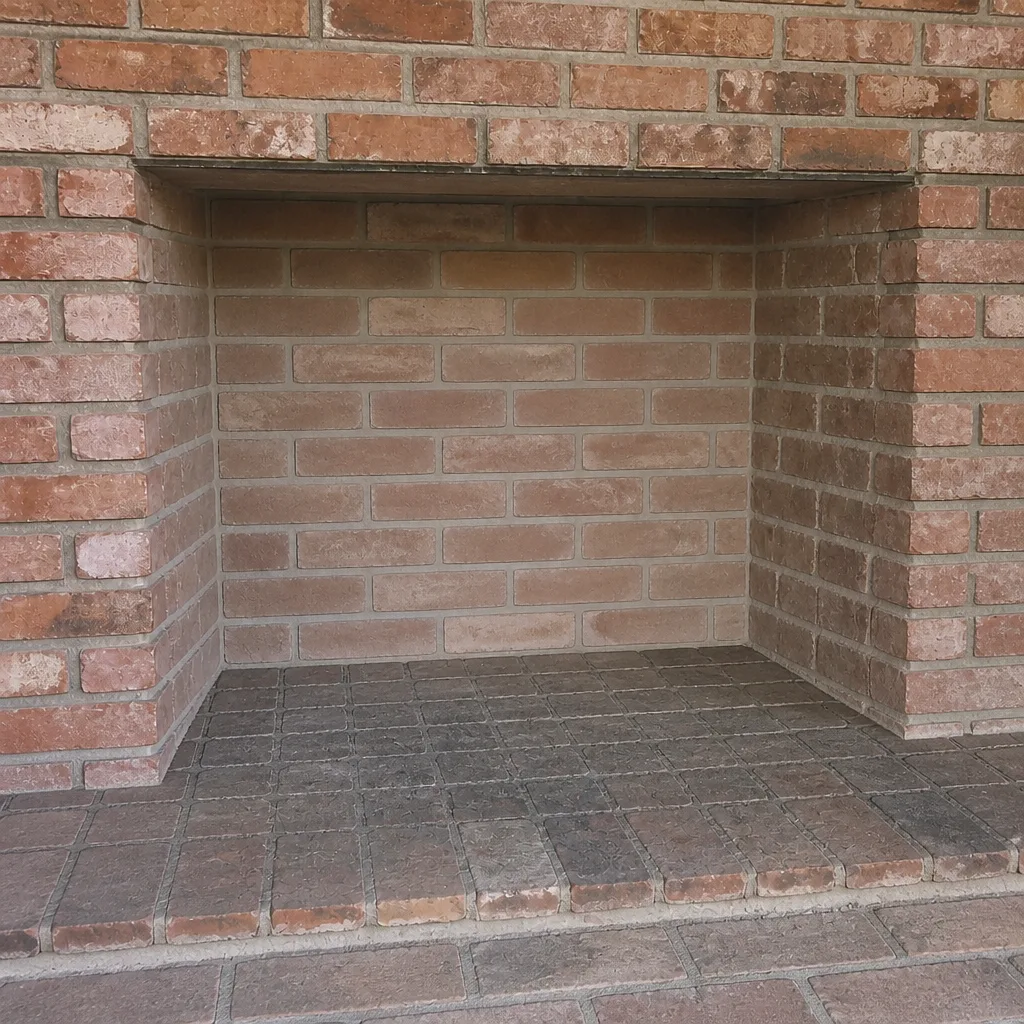
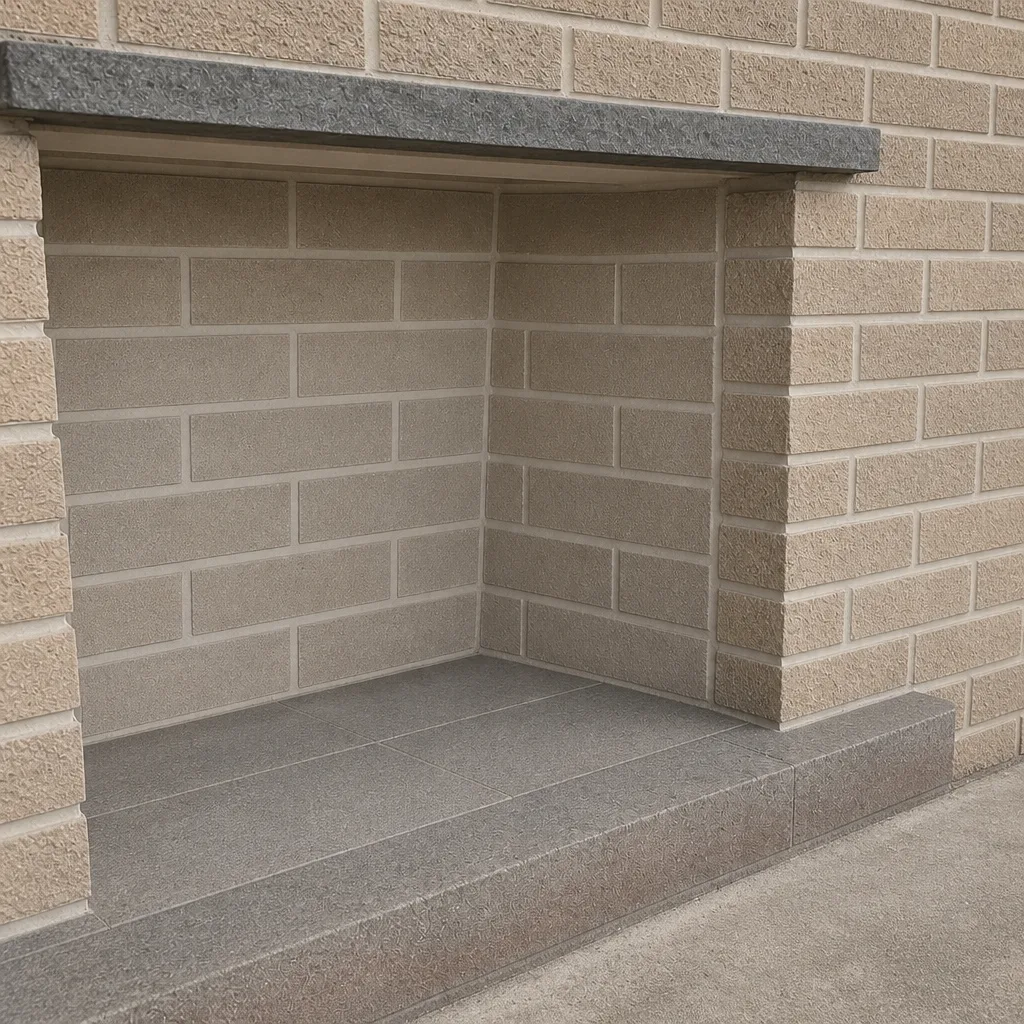
See the difference
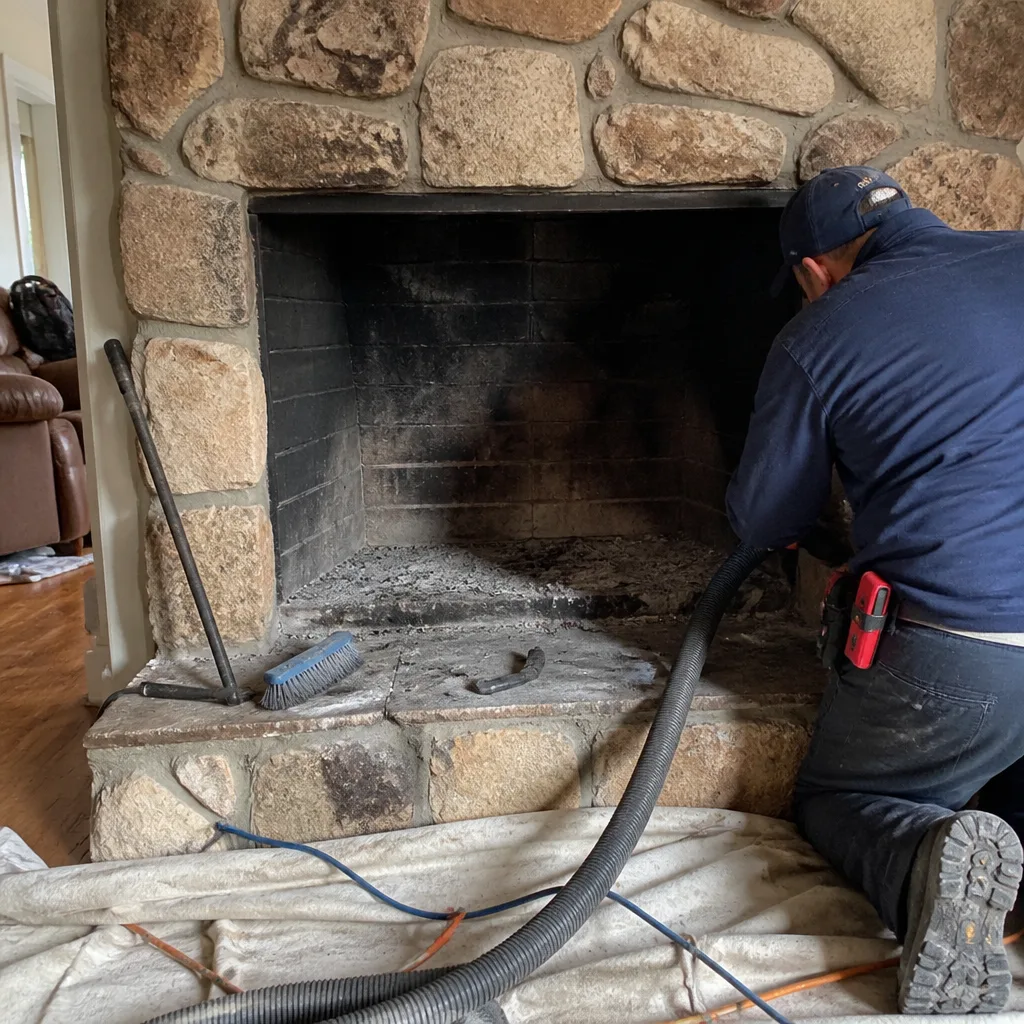 Before
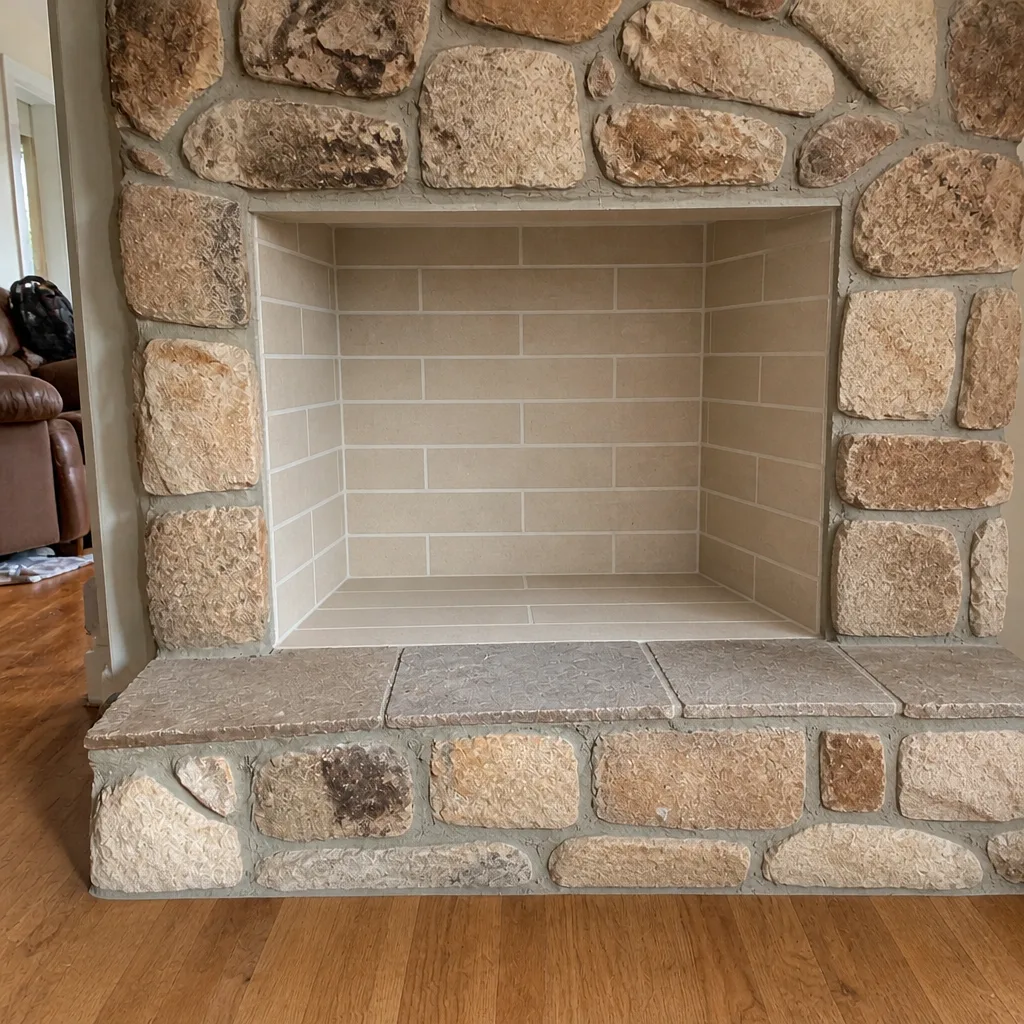 After
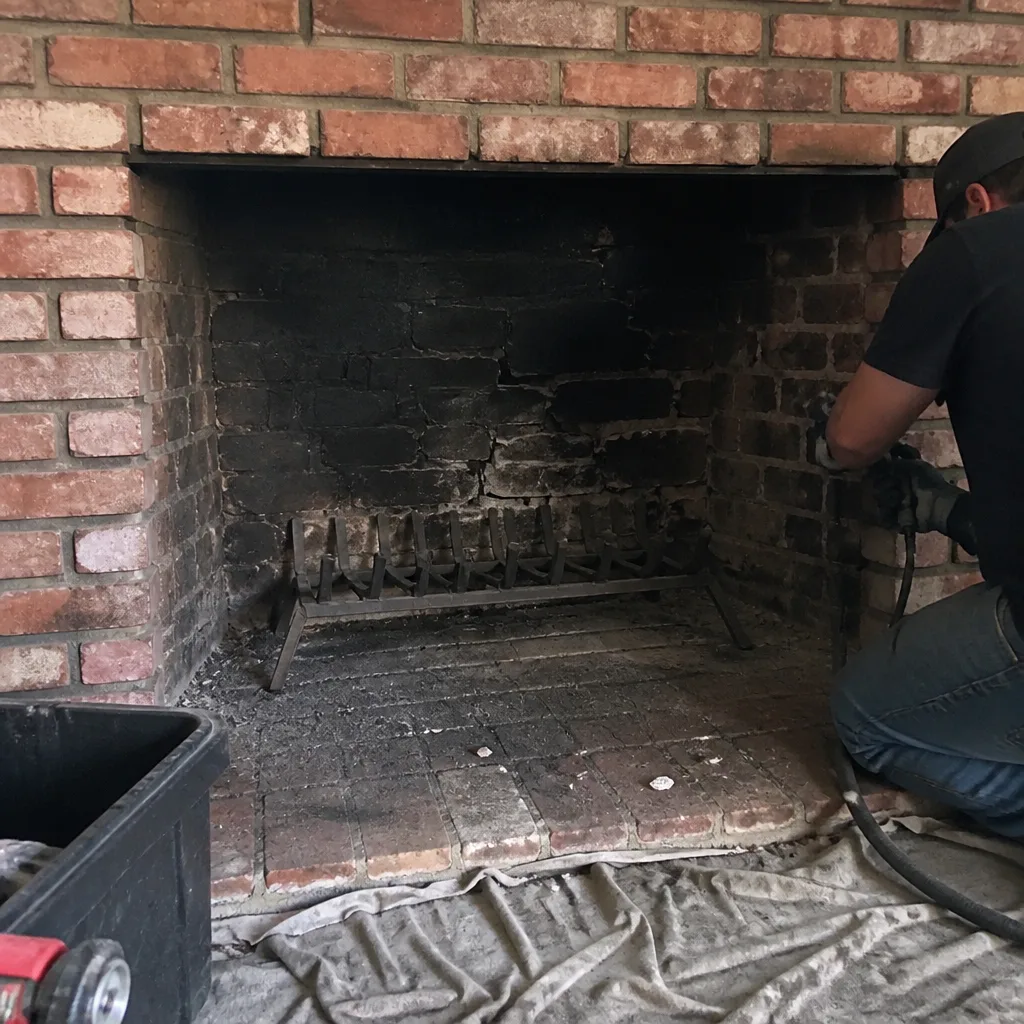 Before
 After
 Before
 After
When to Call a Professional
Call a professional if you see glazed or shiny creosote in the flue, if the chimney hasn’t been inspected in more than a year, or if you’ve inherited a chimney you know nothing about. Call if there’s a lingering smoky smell after a fire, if the fireplace backdrafts, if you’ve spotted water stains or a crumbling crown, or if the flue liner looks cracked from the firebox. Call before your first fire in a long-idle chimney, and call if a DIY sweep turned up deposits you couldn’t fully remove. Those are the scenarios where a trained eye and camera inspection find what a brush can’t.
Chimney Sweep Floral Park offers free estimates in Floral Park – call (877) 792-7251. We answer 24/7. Fast dispatch from 7am to 7pm, Sunday through Friday.
Frequently Asked Questions
You can sweep the flue yourself with a brush kit, and on a lightly used chimney with no known deposits above first-degree, that’s reasonable maintenance. What you can’t do is clean the smoke chamber, inspect the liner, or check the crown and cap – those need professional equipment and trained eyes. If the flue shows glazed creosote or you’re unsure of the chimney’s history, book a professional cleaning. Call (877) 792-7251 for an exact quote – estimates are free.
Cleaning is quoted per job from a written estimate after we see the chimney, so the price reflects the actual condition of your system rather than a flat listed rate. The estimate is free, and the written estimate sets the final price. A homeowner can buy a brush kit for less, but that kit only cleans the flue – not the smoke chamber or the crown. Call (877) 792-7251 for an exact quote – estimates are free.
A brush kit can’t fix a liner at all. A cracked or gaping flue liner needs a professional assessment, and repair options range from relining with a flexible liner system to ceramic resurfacing depending on the damage. Nothing gets recommended without camera evidence you can see for yourself, and if the damage can safely wait, we’ll tell you. Call (877) 792-7251 for an exact quote – estimates are free.
Most homeowners who burn wood should have the chimney swept and inspected at least once a year, and more often if you burn heavily through the heating season. Floral Park winters are mild enough that many households burn occasionally rather than nightly, but that makes an annual inspection more important, not less – lighter use can mean deposits go unnoticed longer. Call (877) 792-7251 for an exact quote – estimates are free.
Creosote keeps building until it ignites, and the fire can spread into the framing around the flue. On top of the fire risk, a blocked or damaged flue can let carbon monoxide back into the home, and water intrusion from a cracked crown slowly damages the chimney structure. Skipping a cleaning doesn’t remove any of that risk – it just leaves the hazard in place. Call (877) 792-7251 for an exact quote – estimates are free.
Third-degree creosote is glazed, shiny, and hard as varnish, fused to the flue tile. A standard brush skates over it, and scraping it can crack the tile or lodge flakes deeper in the system. Removing it safely takes controlled tools and often chemical treatment before removal. If you see glaze, call a professional. Call (877) 792-7251 for an exact quote – estimates are free.
The Bottom Line
DIY chimney cleaning isn’t dangerous because homeowners can’t run a brush. It’s dangerous because the brush only cleans the flue – about 30% of the job – and leaves the smoke chamber, damper shelf, crown, and glazed creosote uninspected. For a Floral Park homeowner who burns occasionally, the honest math on time, equipment, mess, and the documentation that supports an insurance claim points to professional cleaning as the better value. Book the sweep, watch the camera, and act on what you can see. A sweep is a starting point, not an endpoint. Build the chimney to last the next season and the decade after.
Call (877) 792-7251 for a free estimate. We answer 24/7. Fast dispatch from 7am to 7pm, Sunday through Friday.
Written by the team at Chimney Sweep Floral Park.