
Last updated November 25, 2026
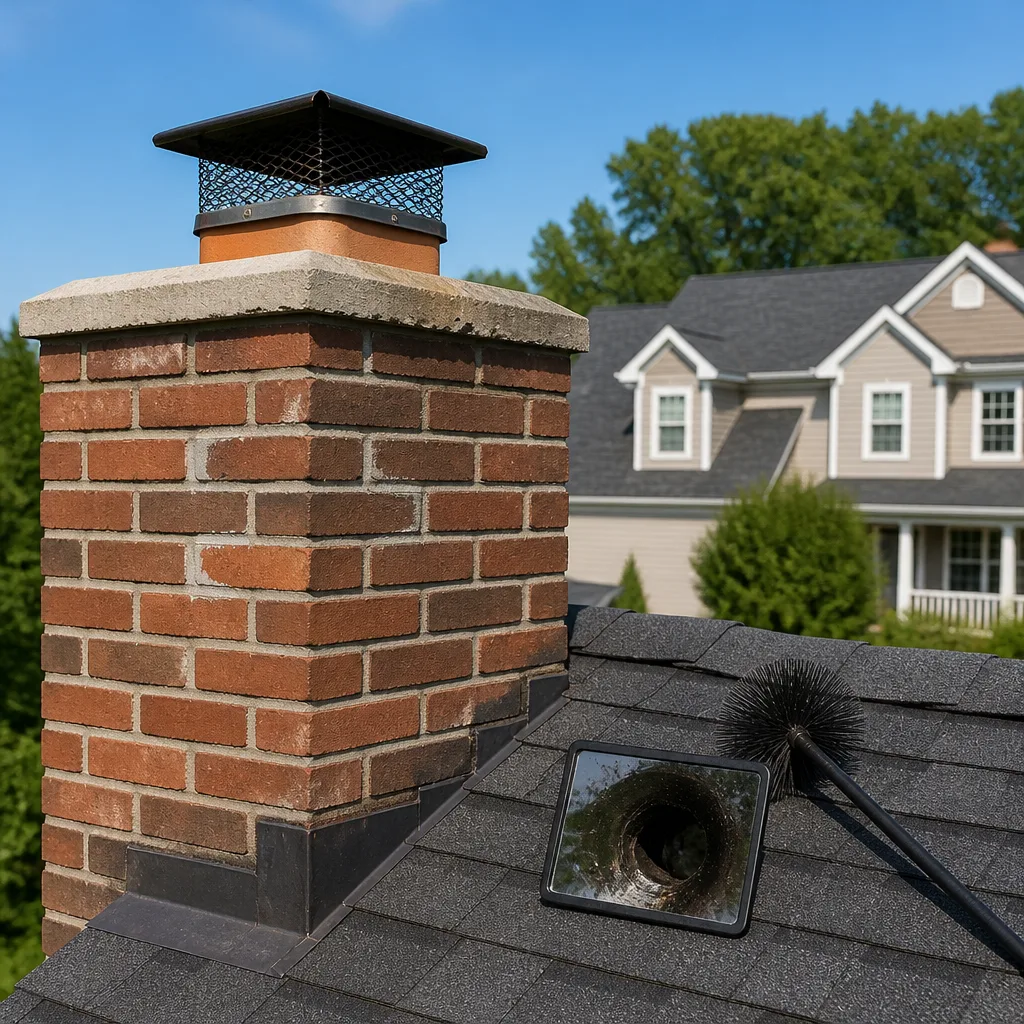 Sweep & inspection
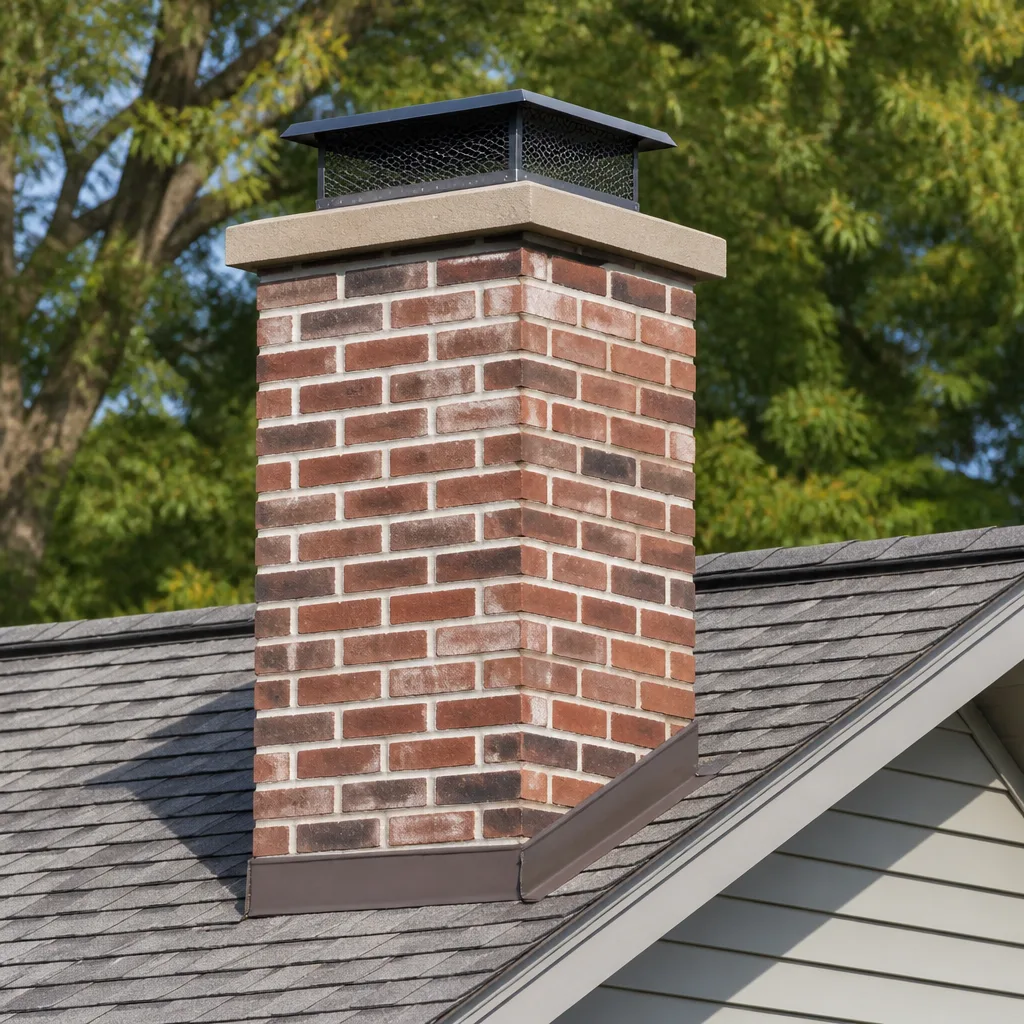 Caps & crowns
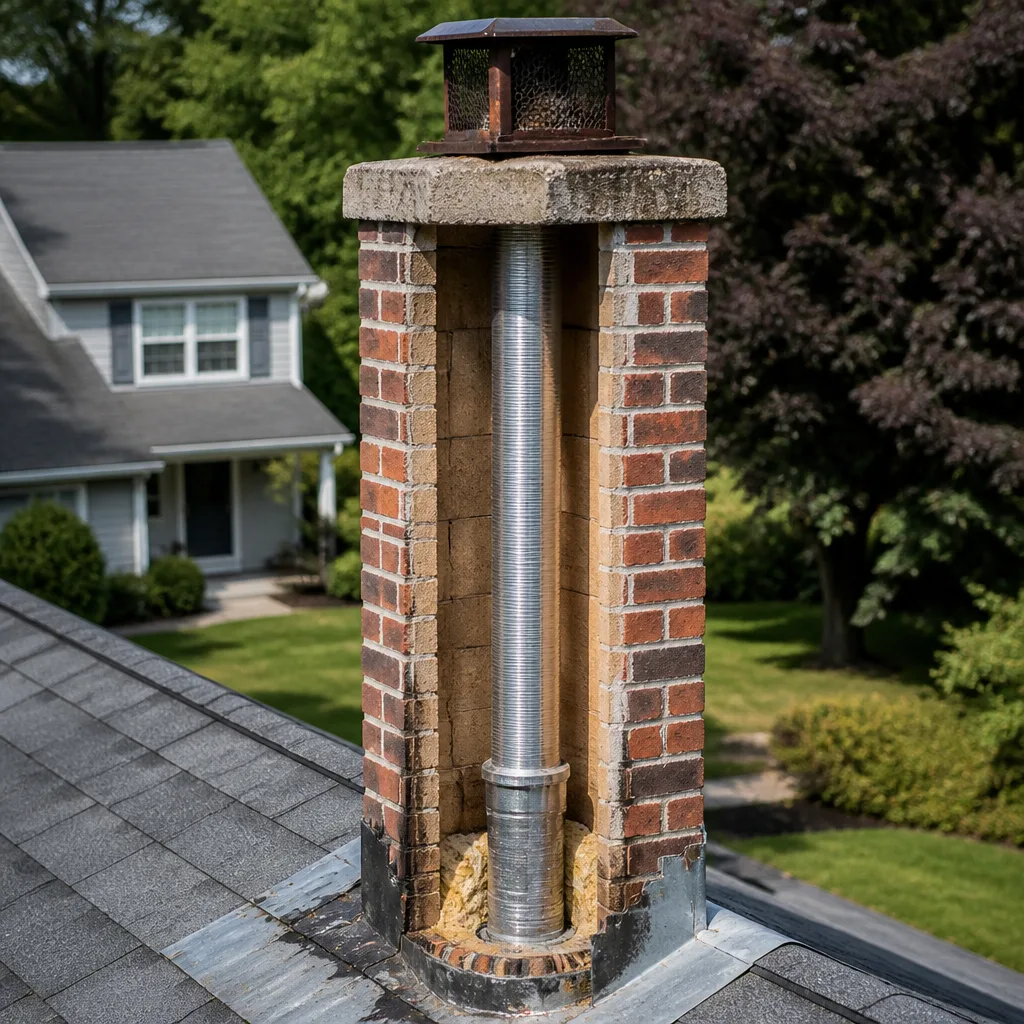 Flue relining
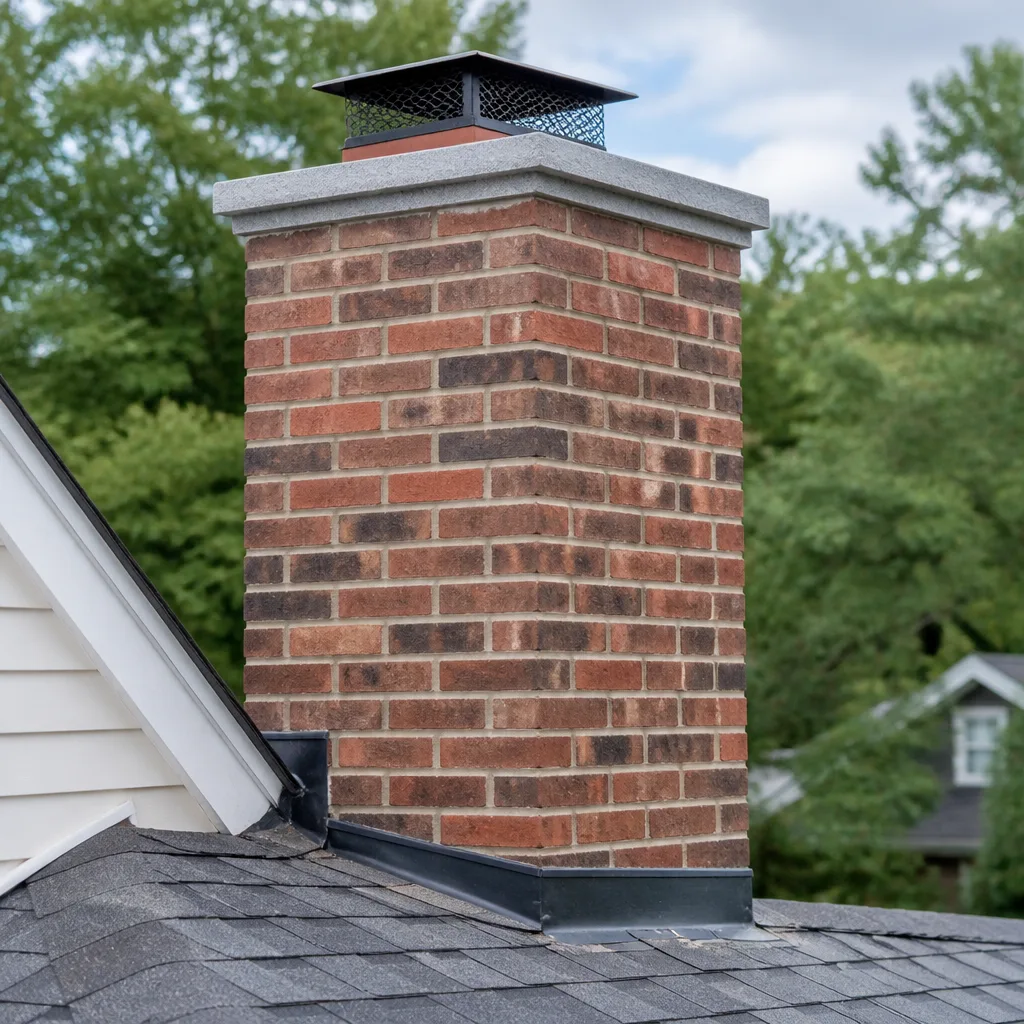 Masonry repair
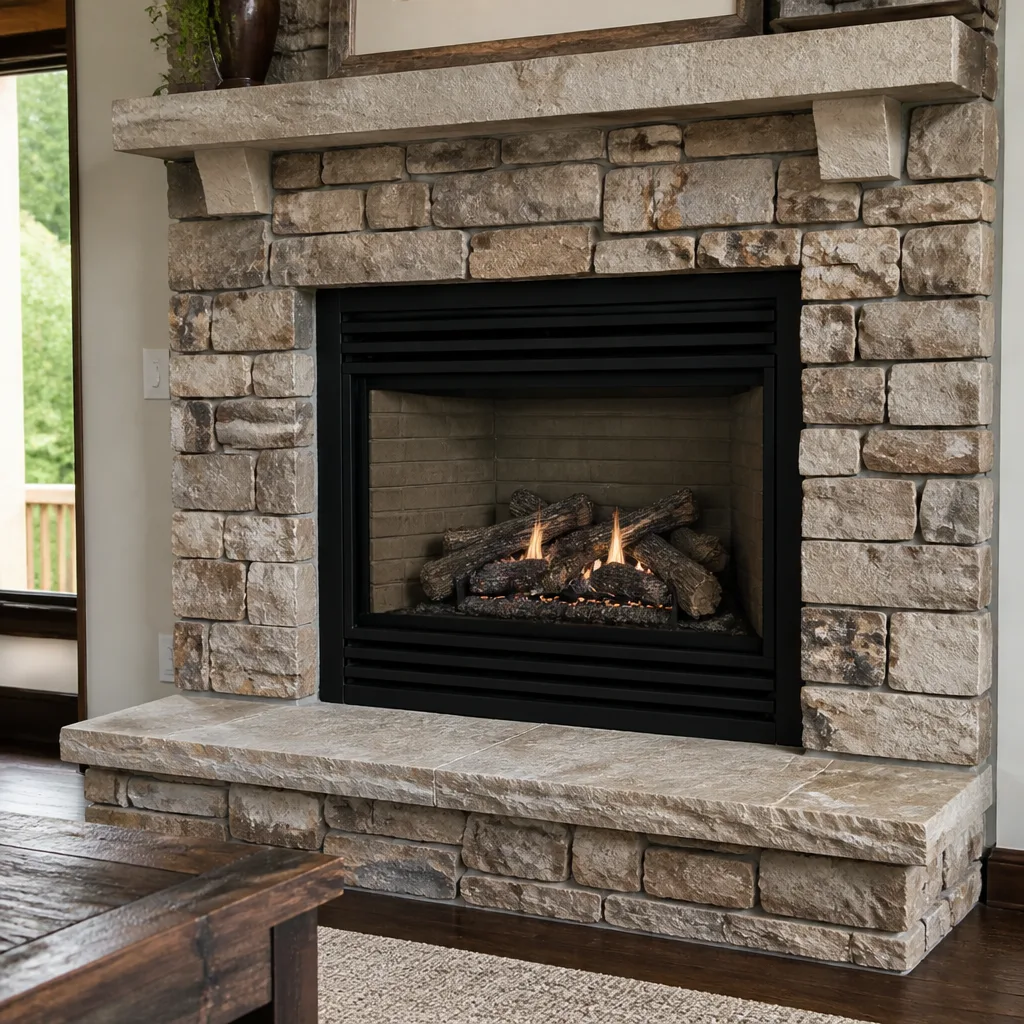 Gas fireplace service
Level 1 sweep and inspection to the NFPA 211 annual standard - flue, crown, cap, and flashing checked and photographed
Chimney sweep logs do not sweep chimneys. They loosen some creosote - which then falls where a brush and vacuum still have to collect it.
Chimney Cleaning Permits, Codes & Inspections in Floral Park, CA: What You Need to Know
Most homeowners assume a chimney is a chimney and that the rules for maintaining one are the same everywhere. They aren’t. In California, sweeping your flue and altering your flue are governed by two different sets of rules, and the line between them is where people get into trouble. We’ve watched sellers in Floral Park learn this during escrow, when a buyer’s inspector flags a relined flue or a rebuilt firebox that was done without a permit. The work itself may be fine. The paper trail isn’t. This guide explains where maintenance ends and alteration begins, what a Level 2 inspection documents, how local air quality rules affect your fireplace, and how to keep records that protect you when you sell.
Quick Answer
Routine chimney cleaning in Floral Park, CA does not require a permit. Repair and alteration work does. Under the California Building Code, Chapter 10, replacing a liner, rebuilding a firebox, or replacing a damper crosses from maintenance into alteration, and alteration requires a permit from the local building department. Inspections are separate from permits entirely: they are documented observations of your chimney system, and a CSIA Level 2 inspection is the one lenders and insurers most often ask for during a home sale.
Styles & brands we work with
- Sweep & inspection
- Caps & crowns
- Flue relining
- Masonry repair
- Gas fireplace service
Table of Contents
- Maintenance vs. Alteration: Where California Draws the Line
- How Permits Work in and Around Floral Park
- What a CSIA Level 2 Inspection Documents
- Air Quality Rules and Your Fireplace
- How to Document Chimney Work Before You Sell
- The Inspection Process, Step by Step
- When a Sweep Is All You Need
Maintenance vs. Alteration: Where California Draws the Line
This is the single most useful distinction in the whole guide. California Building Code Chapter 10 treats chimney maintenance and chimney alteration as two different categories of work, and only one of them triggers a permit. Cleaning, sweeping, and visual inspection are maintenance. Replacing or restoring a flue liner, rebuilding a firebox, replacing a damper assembly, and structural repair to the chimney itself are alteration. Alteration requires a permit.
In practice, the confusion comes from the fact that most chimney work starts as maintenance. A technician arrives to sweep, looks up the flue with a camera, and finds cracked tiles or gaps in the mortar joints. That’s how a $200 sweep turns into a conversation about relining. Nothing dishonest happened. The flue really did need attention. But the moment the scope shifts from cleaning to repairing the flue itself, the job has changed category, and the permit question should be answered before the first liner section comes down.
Here’s how we explain it to homeowners in Floral Park:
- Maintenance (no permit): sweeping creosote and soot, removing blockages, cleaning the firebox, visual inspection, installing or replacing a chimney cap.
- Alteration (permit required): installing a new flue liner, relining a damaged flue, rebuilding a firebox, replacing a damper, structural repair to the chimney stack, changing the flue’s dimensions or configuration.
One wrinkle worth knowing: a chimney cap sits right at the boundary, and local building departments handle it differently. Some treat a cap as a maintenance item and some want it on a permit as part of a larger job. Ask your city’s building department before work begins rather than after. It takes one phone call and it saves a headache later.
Why does any of this matter to a homeowner in Floral Park specifically? Because Floral Park has a lot of older housing stock with original or partially updated chimneys, and older chimneys are exactly where the maintenance-to-alteration transition happens most often. A flue that was built to mid-century standards and has never been relined will need one eventually. When it does, that’s a permit job, not a sweep.
How Permits Work in and Around Floral Park
California sets the baseline through the Building Code, but the permit itself comes from the local building department, and local departments add their own requirements on top. That’s why the answer to “do I need a permit for this?” can shift when you cross a city line.
If you’re researching this from out of state, you’ll find plenty of material about Nassau County and its chimney inspection practices. That material does not apply to Floral Park, California. Different state, different code, different agencies. When you’re evaluating which rules apply to you, check that the source is talking about California and about your city, not a similarly named place on the other side of the country.
For Floral Park homeowners, the practical sequence looks like this:
- Determine the scope in writing. Maintenance or alteration? The written estimate should say which, in plain terms, before any work is scheduled.
- Call the city building department. Ask whether your specific scope of work requires a permit and what the department wants to see for a chimney project. Requirements vary by jurisdiction and by project type.
- Get the permit before the work starts. A permit pulled after the fact is possible in some jurisdictions and a genuine problem in others.
- Keep the inspection card and the final sign-off. This is the document that proves the work was permitted, and it’s the one a buyer’s agent will ask for.
Inspections work differently from permits, and it’s worth separating them in your head. An inspection is a documented evaluation of the chimney system. It doesn’t require a permit, and it doesn’t authorize work. It’s evidence, and evidence is what protects you in a transaction. When we perform a chimney inspection in Floral Park, we’re evaluating the whole system, not just the firebox: the crown, the cap, the liner, and the masonry all get looked at, because those are the components that turn a small problem into a structural one.
One more local note. Southern California’s dry season and its fire season both put pressure on wood-burning households, and some jurisdictions have tightened rules on wood-burning appliances in response to air quality concerns. Those rules govern use, not permits, but they often come up in the same conversation during a home sale, so it helps to know both.
What a CSIA Level 2 Inspection Documents
A CSIA Level 2 inspection is a documented visual inspection of the entire chimney system, including accessible portions of the flue interior, performed with a camera. It is the level of inspection most often requested during a real estate transaction, and it’s the one that produces the report lenders and insurers want to see.
The three inspection levels break down roughly like this:
- Level 1: a visual check of readily accessible portions of the chimney, appropriate for a chimney in regular use with no changes to the system.
- Level 2: everything in a Level 1, plus accessible attic, crawlspace, and flue interior examined with a camera. Required when a property changes hands, when an appliance or fuel type changes, or after an event that may have damaged the chimney.
- Level 3: a Level 2 plus removal of parts of the chimney or building to access concealed areas. Reserved for specific diagnostic situations.
Why do lenders and insurers care about Level 2? Because a chimney is one of the few systems in a house where a defect can be invisible from the room it serves. A flue with failed liner joints looks fine from the fireplace. It isn’t fine. A camera inspection documents what’s actually there, and the report gives an insurer or a lender something concrete to underwrite against.
For a Floral Park home sale with an active fireplace, plan on a Level 2. If the fireplace has been decorative for years and never used, ask your inspector which level is appropriate for the situation. And if the inspection turns up liner damage, weigh your options honestly: a HeatShield ceramic resurfacing can restore a liner that’s damaged but structurally sound, while a badly deteriorated flue needs a full reline with a system like DuraFlex. Both are real repairs with real documentation behind them. Neither is something an inspector should recommend without camera evidence you can see for yourself.
A Level 2 inspection is not the same thing as a cleaning, though the two are often scheduled together. If you want the cleaning piece explained on its own, our chimney sweep page covers what a sweep involves and how often your chimney needs one.
Air Quality Rules and Your Fireplace
Southern California’s air quality management district rules affect how and when you can burn, and those rules interact with chimney servicing in ways homeowners don’t always anticipate. The core point: air quality regulations govern the use of wood-burning appliances, not their maintenance. You can be fully compliant with your chimney’s condition and still not be allowed to burn on a given day.
What that means for a Floral Park household:
- Burn restrictions are typically announced by the air quality management district on a day-to-day basis, based on current conditions.
- Rules concentrate on wood-burning appliances; gas fireplaces and gas logs generally fall outside the restrictions that apply to wood.
- Older, uncertified wood-burning appliances face tighter limits than newer, certified ones in many jurisdictions.
- Your chimney’s condition doesn’t exempt you from a burn restriction, and a burn restriction doesn’t mean your chimney doesn’t need service.
There’s a practical side to this too. A household that follows burn-day restrictions closely tends to burn less overall, which stretches the interval between sweeps. It doesn’t eliminate the need. Creosote accumulates based on what you burn, how hot the fire runs, and how well the chimney drafts, not on the calendar alone. We’ve seen lightly used flues with heavy glazed creosote because the fires were consistently smoldered rather than burned hot.
If you’re in an area with active air quality concerns, the smart approach is to know your appliance, know the current rules, and keep your chimney in condition so that when a burn day comes around, you can actually use it. That’s a maintenance rhythm, not a repair crisis. A chimney that gets swept on schedule and inspected regularly rarely surprises anyone.
How to Document Chimney Work Before You Sell
Here’s the part that separates a smooth sale from a stressful one: the paperwork. Unpermitted chimney work is a common escrow finding, not because contractors are reckless, but because homeowners don’t always know that a repair needed a permit, and nobody told them to keep the records. If you’re planning to sell a Floral Park home with a fireplace, start building the file now.
What to keep, and in what format:
- The written estimate or invoice for every chimney job, with the scope described in plain language. PDF is fine. A photo of a paper invoice is fine. Lost paperwork is not.
- The permit and final inspection sign-off for any alteration work. This is the single most important document. If you can’t find it, the building department can usually confirm the permit’s status for you.
- The inspection report from the most recent Level 2, including the camera images. Reports with photos hold up far better in a transaction than a one-line summary.
- Before-and-after photos for any repair. For a chimney cap & crown replacement or a reline, photos are the difference between “they say it was done” and “here’s what was done.”
- A simple maintenance log with dates and what was performed. A note in a phone or a spreadsheet is plenty. The point is the sequence.
When you list, disclose chimney work honestly and attach the file. A documented reline with a permit reads as a well-maintained home. The same reline with no paper trail reads as a question mark. The work is identical; the perception isn’t.
If the chimney has never had an inspection and you’re within a year of selling, get the Level 2 done now rather than during the buyer’s inspection contingency. Problems found a year out are things you can plan for. Problems found during escrow are things that cost you negotiating leverage.
The Inspection Process, Step by Step
If you’ve never had a chimney inspection, here’s what actually happens, in order:
- We start with the firebox and the smoke chamber. These are the parts you can see from the living room, and they tell us a lot about how the chimney has been used and maintained.
- The flue gets examined by camera. This is where the real information is. Cracked tiles, gaps in mortar joints, and creosote buildup all show up clearly on camera.
- The damper gets checked. A damper that doesn’t seat properly is a draft problem and a heat loss problem, and it’s one of the items that can turn a maintenance job into an alteration job if it needs replacement.
- The crown and cap get evaluated. These are the two most common sources of water intrusion into a chimney, and water is the slow killer of masonry. A cracked crown lets water into the structure of the chimney; a missing or damaged cap lets it down the flue.
- The exterior masonry gets a look. Spalling brick, deteriorated mortar joints, and leaning stacks all get noted.
- You get a written report with photos. Everything we found, in plain language, with images you can review yourself. If work is needed, the report explains why. If work can safely wait, the report says that too.
That last point matters. Not every finding is urgent. A hairline crack in a crown might need sealing and monitoring rather than replacement. A liner with minor surface deterioration might be a good candidate for ceramic resurfacing with HeatShield rather than a full reline. The report should give you the honest version, not the version that maximizes the invoice.
If the report calls for masonry repair, our Chimney Sweep Floral Park page outlines the full range of chimney services we handle, from sweeping through structural repair. And if the firebox itself needs attention, our fireplace repair page covers that work specifically.
When a Sweep Is All You Need
A sweep is a starting point, not an endpoint. In a lot of cases, it’s also exactly the right answer and nobody should be selling you anything more. A chimney that drafts well, shows no liner damage, has a sound crown and cap, and has been cleaned on schedule doesn’t need anything beyond the cleaning.
What a sweep should tell you, before it’s done:
- The flat price for the sweep, agreed before anything is booked.
- Whether a camera inspection is included or available, and what it adds.
- What we find during the sweep, with photos.
- Whether anything we found is safe to defer and whether anything isn’t.
On that last point: skipping a sweep entirely doesn’t save money. Creosote accumulates in layers, and at a certain stage it glazes and hardens and becomes genuinely difficult to remove, which means a more involved and more expensive cleaning later. The chimney doesn’t stop because you stopped looking at it. It just waits.
Honest routine matters more than anything else here. Get the flue swept when it needs it, get it inspected when it’s due or when you’re selling, and address findings on a realistic timeline. That’s the whole program.
Common Mistakes to Avoid
- Assuming the cleaning rules and repair rules are the same. They aren’t. Cleaning is unregulated maintenance; relining, firebox rebuilds, and damper replacement are alteration work that requires a permit. Ask about the permit before the work, not after.
- Pulling the permit after the work is done. Some jurisdictions will let you do this and some won’t, and either way it’s a disclosure item you have to explain at sale time. Get it up front.
- Selling a home with an active fireplace and no recent inspection. A Level 2 is what a buyer’s lender or insurer is most likely to want. Having it done on your schedule is much less stressful than having it done on the buyer’s.
- Throwing out the inspection report. The report is the single most valuable piece of documentation you own for that chimney. Keep the PDF and the photos.
- Confusing a cleaning with an inspection. A sweep removes creosote. An inspection evaluates the system. Both are useful and they’re not interchangeable.
- Applying another state’s rules to a Floral Park chimney. Nassau County’s requirements are not California’s requirements and they are not Floral Park’s. Confirm the rule with your city’s building department, not a search result.
- Deferring a reline because the fireplace “still works.” A drafty fireplace with a compromised liner can still draw. The draft isn’t evidence of a sound liner; only a camera inspection is.
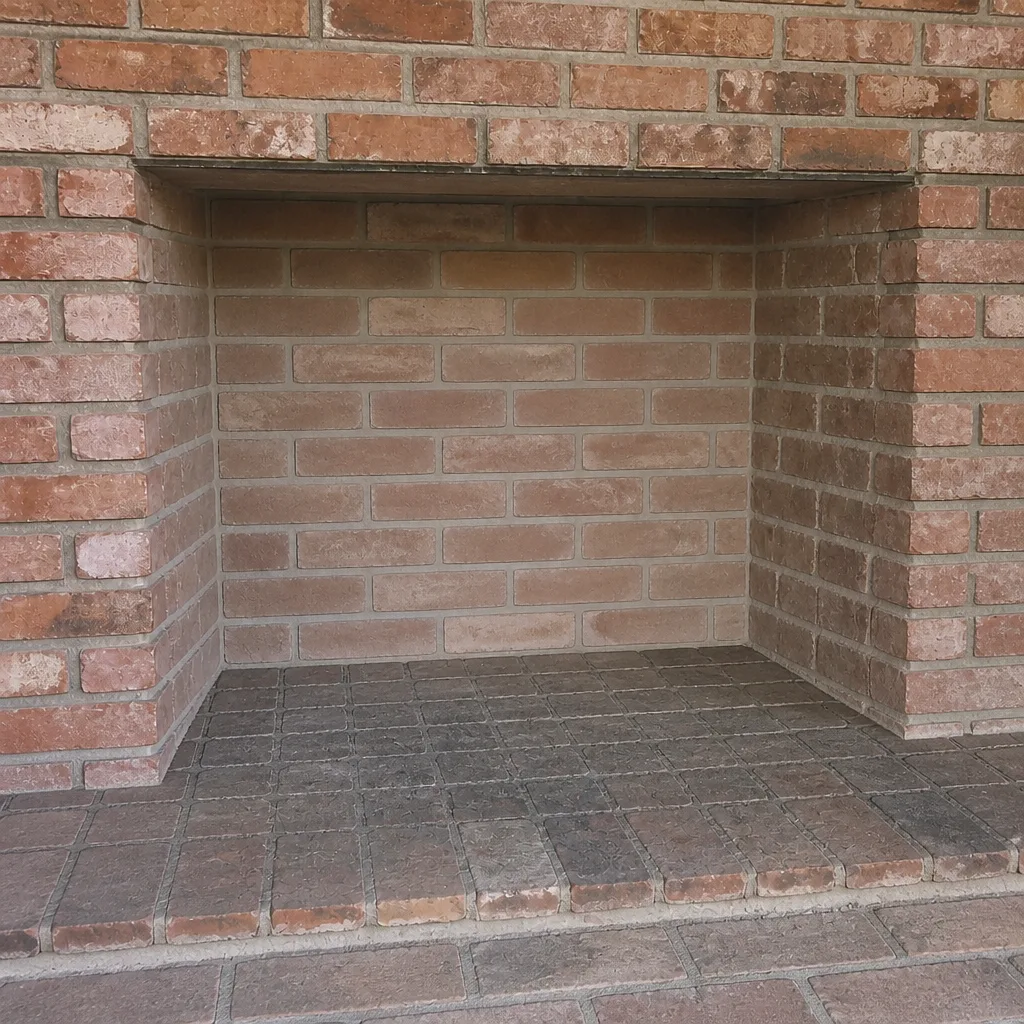
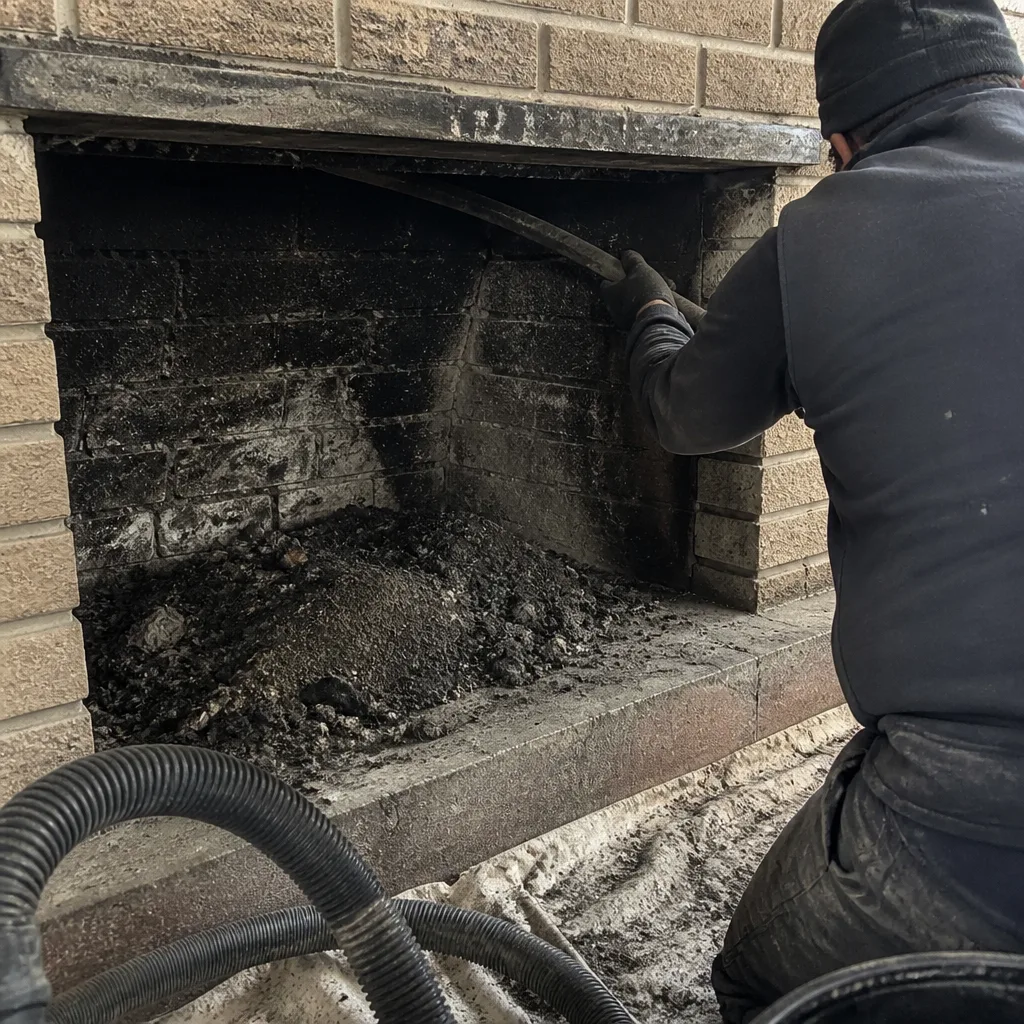
See the difference
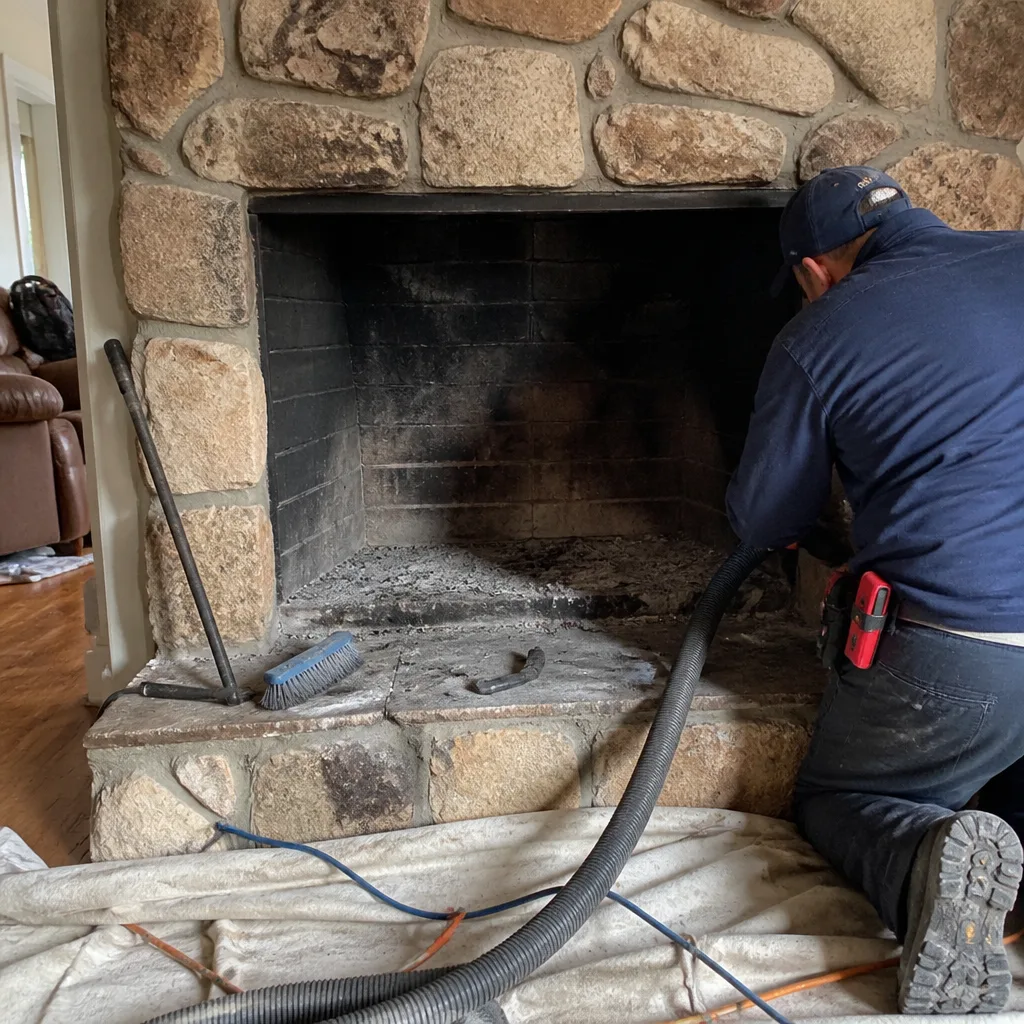 Before
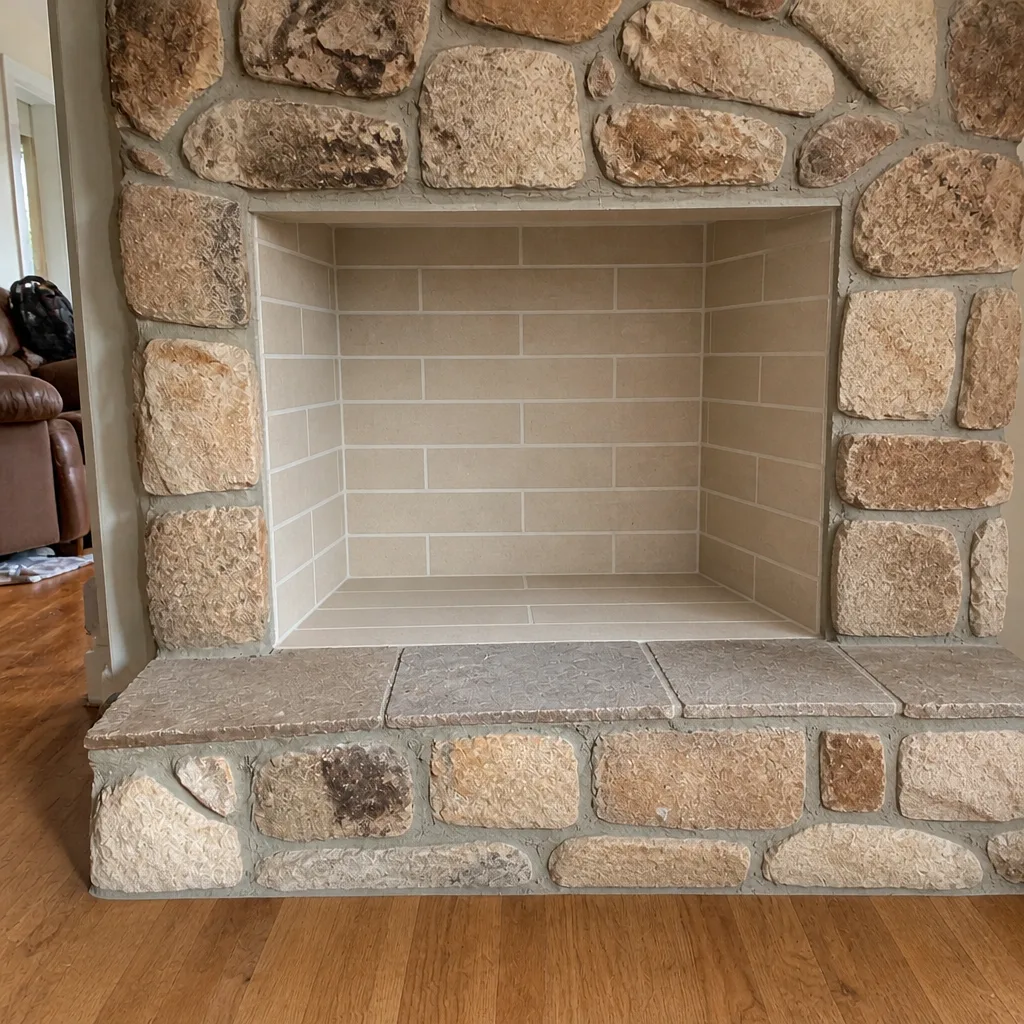 After
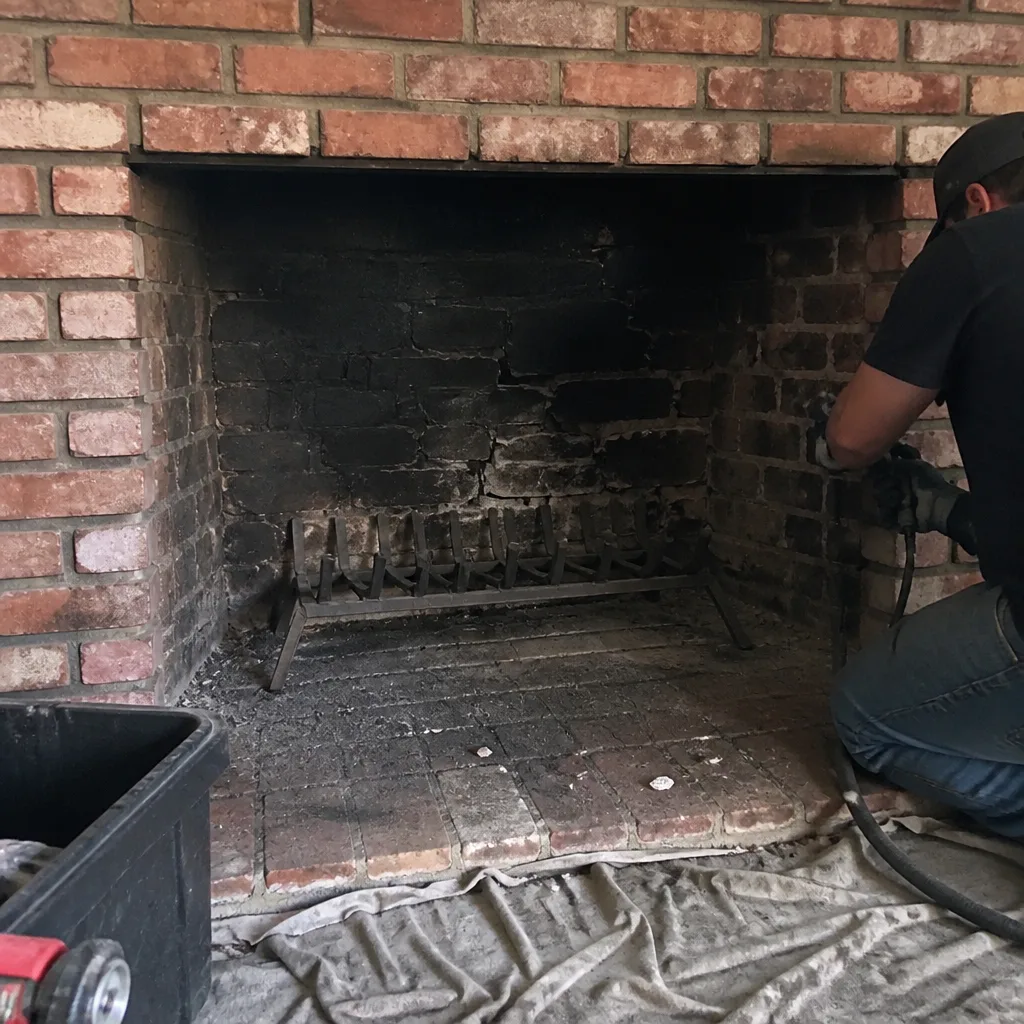 Before
 After
 Before
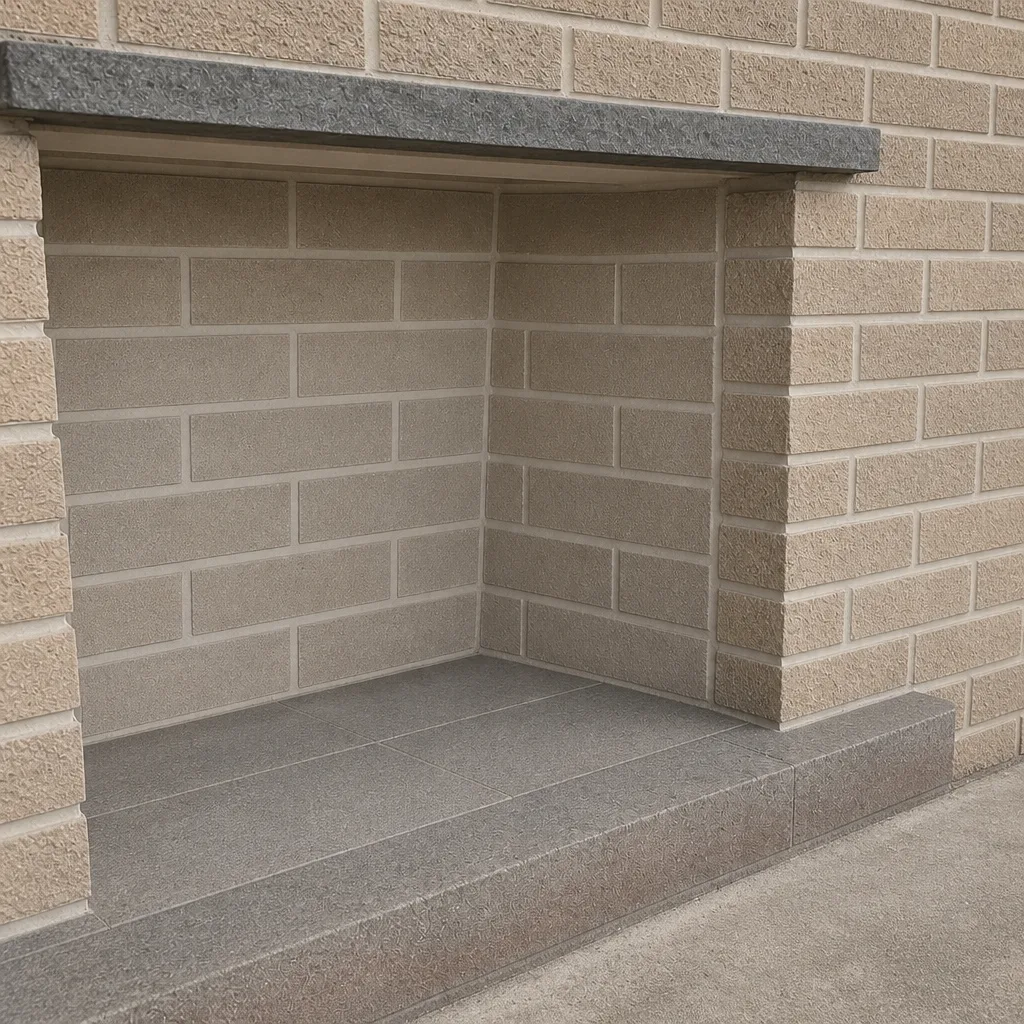 After
When to Call a Professional
Some chimney work is a genuine do-not-touch situation. A flue interior is not something to explore on your own, and high-temperature liner systems, firebox repairs, and gas appliance connections all involve either serious burn risk or carbon monoxide risk if handled incorrectly. A trained professional should be the one on the ladder and the one inside the flue. That isn’t caution for its own sake; it’s the right order of operations.
Call us when:
- You’ve bought or are about to buy a home in Floral Park with an active fireplace and no recent inspection on file.
- Your fireplace smokes into the room, drafts poorly, or smells of creosote when it isn’t in use.
- A previous inspector flagged liner damage, a cracked crown, or a missing cap.
- It’s been several seasons since your last sweep and you can’t remember when it was done.
- You’re preparing to sell and want your documentation in order.
Chimney Sweep Floral Park offers free estimates in Floral Park. Call (877) 792-7251. We answer 24/7. Fast dispatch from 7am to 7pm, Sunday through Friday. Our technicians have up to 10 years of experience, and every estimate is written, with the scope in plain language so you know exactly what’s being proposed and whether a permit is part of it.
Frequently Asked Questions
No. Chimney cleaning is maintenance and does not require a permit in Floral Park or anywhere else in California. Repair and alteration work, including relining a flue, rebuilding a firebox, and replacing a damper, does require a permit from your city’s building department under the California Building Code. Call (877) 792-7251 for an exact quote. Estimates are free.
Yes. Installing a new flue liner or relining a damaged flue is alteration work under California Building Code Chapter 10, and alteration work requires a permit. That holds whether the liner is a HeatShield ceramic resurfacing or a full DuraFlex flexible liner installation. Call (877) 792-7251 and we’ll walk you through what your job needs.
A CSIA Level 2 inspection is a documented evaluation of the entire chimney system, including the flue interior viewed by camera. It’s the level most often requested during a home sale with an active fireplace. It isn’t legally mandatory in every case, but lenders and insurers frequently ask for it. Call (877) 792-7251 to schedule one.
You may end up answering questions during escrow that you could have answered a year earlier. A buyer’s inspector may find liner or crown issues and the discovery can cost you negotiating leverage. Getting the inspection done on your schedule keeps the information and the timing in your hands. Call (877) 792-7251 for a free estimate.
Not directly. Air quality management district rules govern when you can burn wood, not when your chimney can be cleaned or inspected. You can be fully compliant on burn days and still need a sweep. The two are separate conversations. Call (877) 792-7251 to schedule service.
Keep the written estimate or invoice, the permit and final inspection sign-off for any alteration work, the most recent inspection report with photos, and before-and-after photos of any repair. A short maintenance log with dates and what was performed rounds out the file. Call (877) 792-7251 and we’ll help you get your chimney’s paperwork in order.
The Bottom Line
Cleaning your chimney in Floral Park doesn’t need a permit. Repairing it does. That single distinction, between maintenance and alteration under California Building Code Chapter 10, is the one homeowners most commonly get wrong, and it’s the one that surfaces during escrow when nobody can find the paperwork. A Level 2 inspection documents your chimney’s condition for buyers and insurers. Air quality rules are a separate matter that govern use rather than service. And the records you keep, from estimates to permit sign-offs to inspection photos, protect you at sale time. Whole-system thinking, properly documented, is how a chimney stays out of the transaction. Call (877) 792-7251 for a free estimate.
Written by the team at Chimney Sweep Floral Park.