
Last updated November 25, 2026
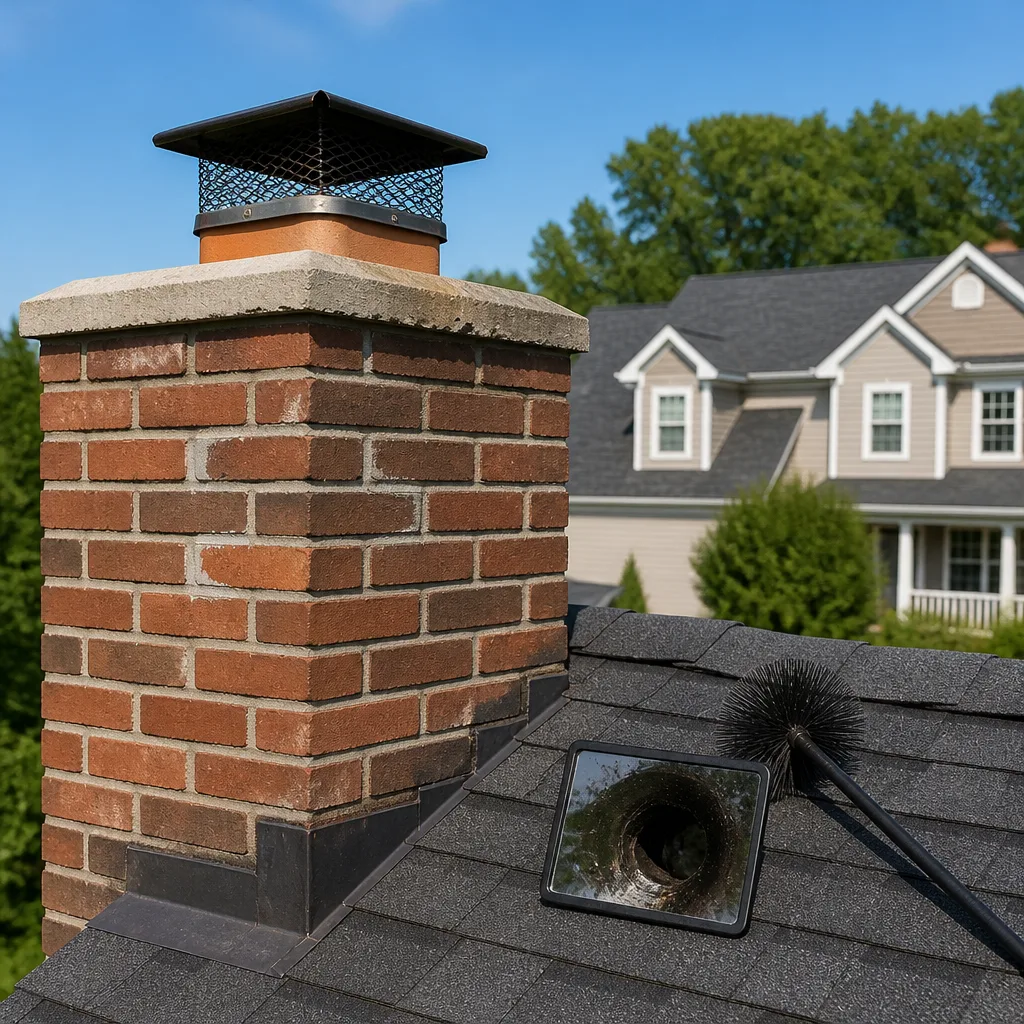 Sweep & inspection
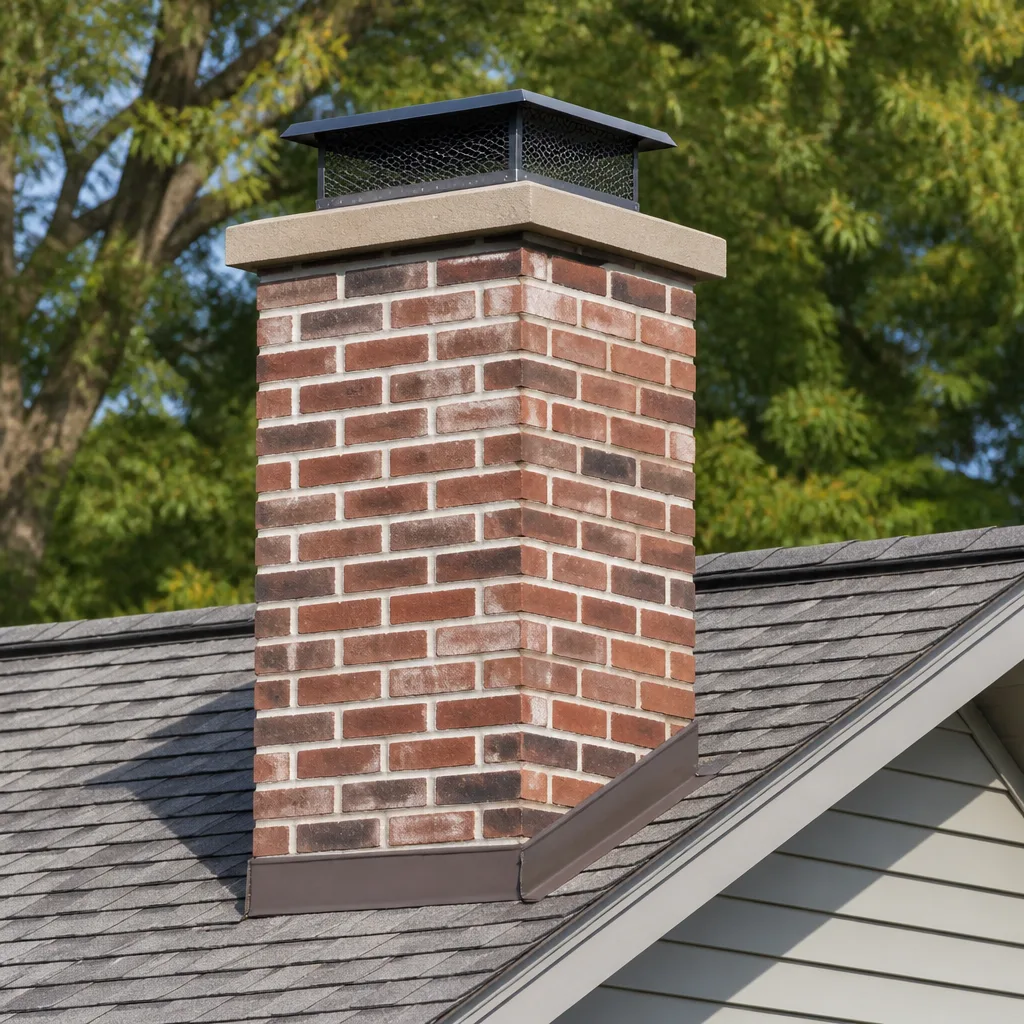 Caps & crowns
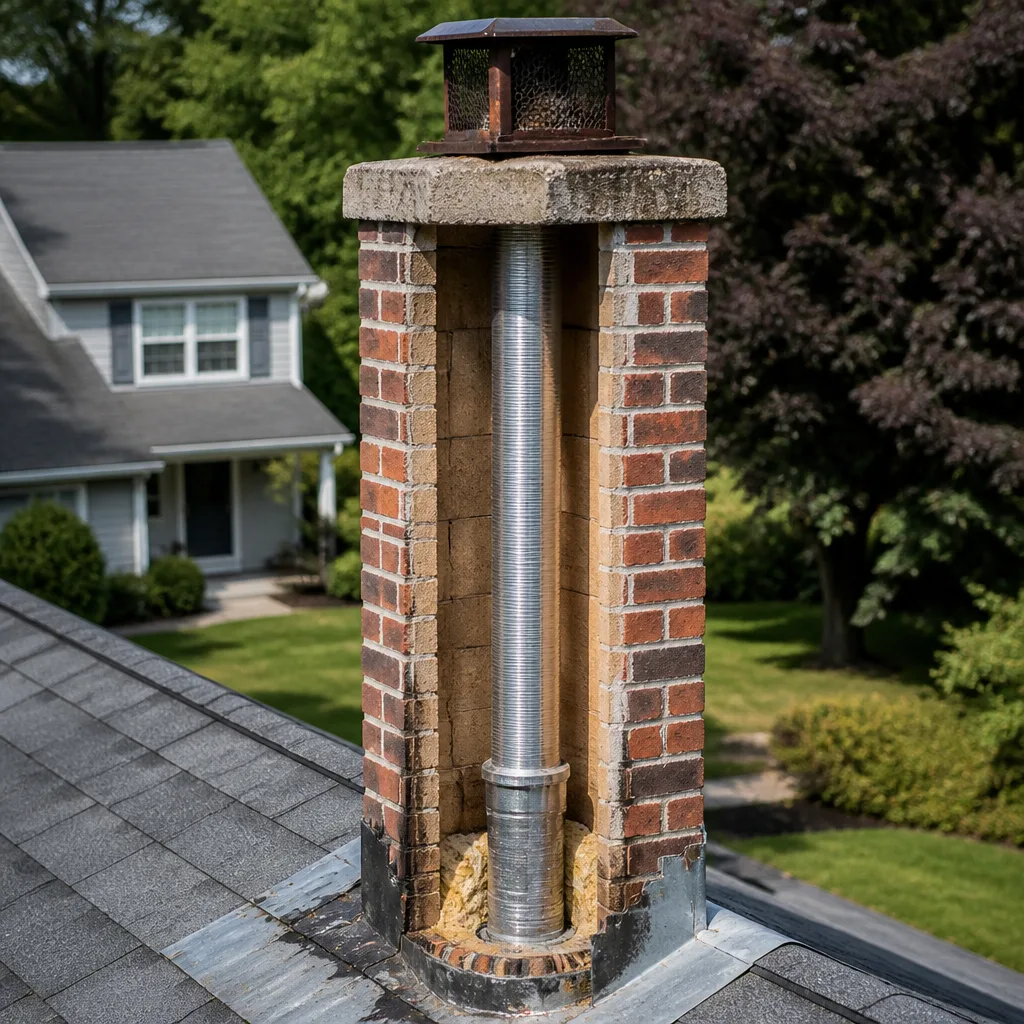 Flue relining
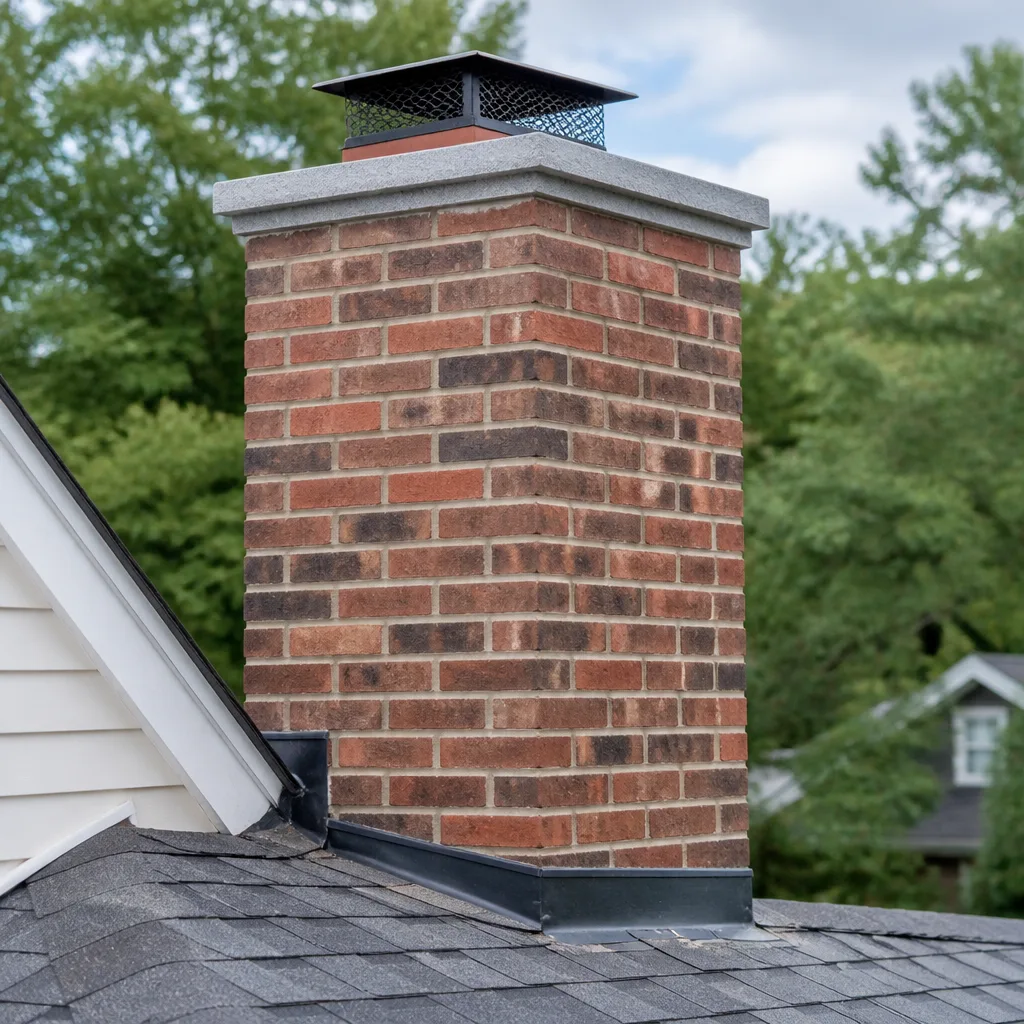 Masonry repair
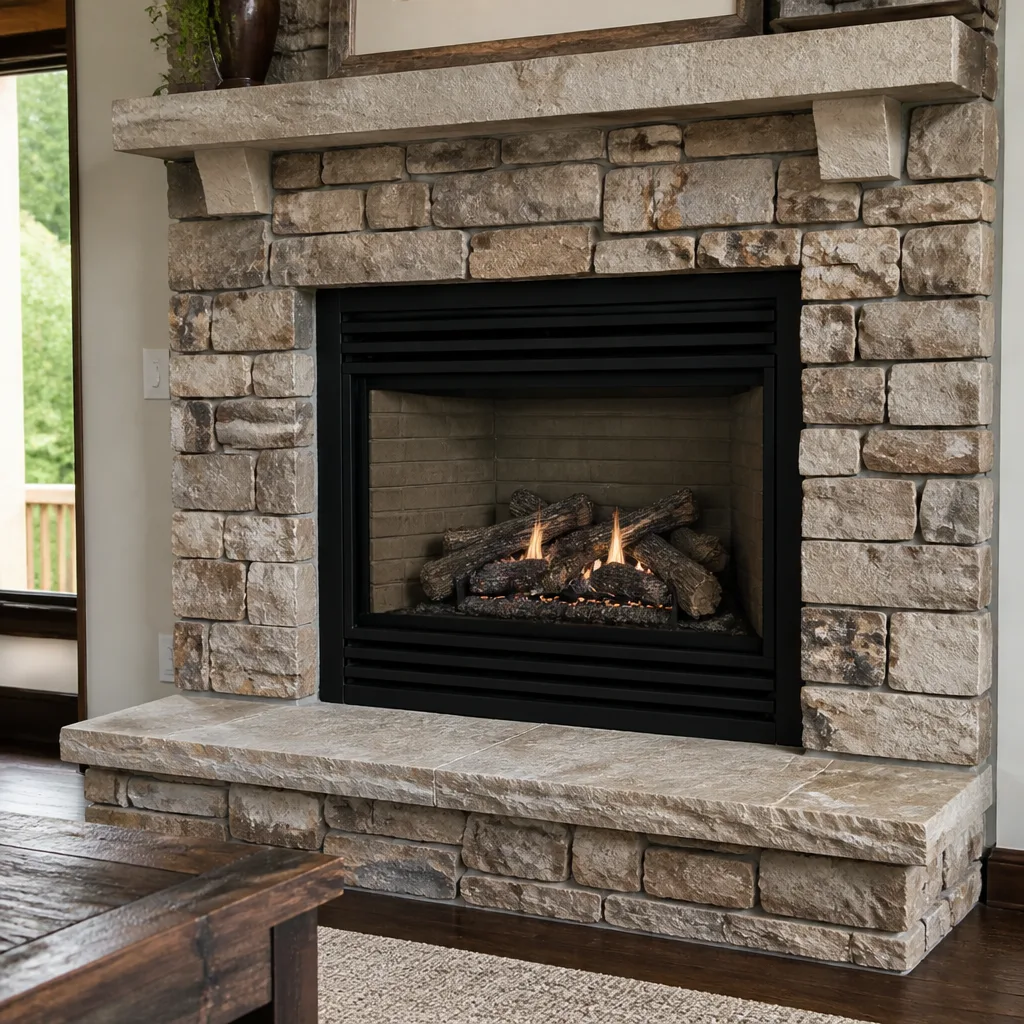 Gas fireplace service
Level 1 sweep and inspection to the NFPA 211 annual standard - flue, crown, cap, and flashing checked and photographed
Chimney sweep logs do not sweep chimneys. They loosen some creosote - which then falls where a brush and vacuum still have to collect it.
Seasonal Chimney Cleaning Care for Floral Park: Year-Round Homeowner’s Guide
Here’s a counterintuitive fact about chimneys in Floral Park: a mild climate can be harder on a chimney than a cold one. Low heating demand means many fireplaces here burn intermittently, and intermittent use is exactly what masks creosote accumulation and hides failing mortar. Owners reasonably assume that because they burn a few cords a year instead of six, their chimney needs less attention. It’s usually the reverse. The chimney sits idle for months, exposed to dry summer heat and moisture, while nobody looks at it. By the time you want a fire, the problems have had a full season to set. This guide walks through a full year of chimney care in Floral Park, season by season, so nothing gets caught late.
Quick Answer
Chimney care in Floral Park follows a year-round rhythm: inspect and sweep in spring after the burning season ends, watch mortar, crown and cap through the dry summer, address wildlife intrusion before it becomes a liner problem, and book your fall sweep in late September rather than waiting until November. Mild winters don’t remove the need for annual service. They just change when the damage happens.
Styles & brands we work with
- Sweep & inspection
- Caps & crowns
- Flue relining
- Masonry repair
- Gas fireplace service
Table of Contents
- Why Floral Park’s Mild Climate Creates False Chimney Security
- The Spring Post-Season Checklist
- What Dry Summer Months Do to Mortar and Crown Sealant
- Moisture and Metal Components: Caps, Dampers and Liner Connectors
- Summer Wildlife Intrusion in a Dormant Flue
- The Pre-Burn-Season Window: Why Late September Beats November
- Your Floral Park Chimney Calendar at a Glance
- Common Mistakes to Avoid
- When to Call a Professional
- Frequently Asked Questions
Why Floral Park’s Mild Climate Creates False Chimney Security
Walk through most Floral Park neighborhoods and you’ll find fireplaces that see maybe twenty or thirty fires a winter. That’s a light load compared to a mountain cabin burning daily from October to April. But light use doesn’t equal low risk. It creates a different risk pattern that’s easy to miss.
When a chimney burns infrequently, deposits build up slowly and unevenly. A single hot fire after weeks of dormancy can loosen a glaze of creosote that’s been curing on the flue wall. Intermittent burning also means the flue stays cool between fires, which promotes condensation on the interior surface. That moisture combines with soot to form a sticky, acidic film that eats at mortar joints from the inside out.
The other half of the problem is psychological. Cold-climate homeowners get a yearly reminder every time they light a fire in October. In Floral Park, you might go six weeks between burns in a mild January, and there’s no natural prompt that says “schedule your inspection.” That’s how two or three years slip by between sweeps.
What the calendar looks like in practice:
- Active season: roughly November into February, and shorter in mild years.
- Dormant season: the long stretch from spring through early fall, when the chimney is exposed but unused.
- Damage window: the dormant months, not the burning months. That’s when mortar dries and cracks, when caps take the summer sun, and when animals move in.
Understanding this rhythm is the foundation of everything else in this guide. Your chimney system, not just your flue, is weathering year-round. The work you do in April and August determines how safe the system is in December.
The Spring Post-Season Checklist
Spring is when you close the book on the burning season. It’s also the only time of year you can catch a season’s worth of wear before it turns into structural damage. Here’s what a proper spring walkthrough covers.
- Sweep the flue. After the last fire of the season, the flue holds whatever creosote formed during winter. Sweeping in spring clears the accumulation while it’s still fresh and inspectable, before summer humidity turns it into a hardened deposit.
- Run a full inspection. Look at the firebox, damper, smoke chamber, flue interior, crown, cap and exterior masonry. Our chimney sweep includes an inspection of the entire system, not just the firebox, because crown and cap issues drive most water damage we find.
- Check the crown and cap. Look for hairline cracks in the crown, rust on the cap mesh, and debris caught under the cap. These are the two most common entry points for water.
- Clear the firebox. Remove ash, unburned wood and any debris. A clean firebox dries faster and gives you a clear look at the brick face.
- Test the damper. Open and close it fully. A damper that sticks in spring will stick worse by fall.
- Photograph everything. Take dated photos of the crown, cap and firebox. When you compare them to next spring, you’ll know what changed.
A sweep is a starting point, not an endpoint. The reason to do this in April instead of October is repair lead time: a cracked crown found in spring gets scheduled and repaired before summer heat bakes it wider, while one found in October limits your options before the season.
What Dry Summer Months Do to Mortar and Crown Sealant
Here’s a section almost no homeowner thinks about: the dry season is when most masonry damage actually starts. The damage itself doesn’t come from heat. It comes from the thermal cycling that dry months produce, and from the first rain that follows.
Concrete and mortar expand in heat and contract as temperatures drop overnight. Over a full dry season, that daily cycle opens hairline cracks in the crown and in mortar joints. Small cracks are barely visible. But each one becomes a channel for water the moment the first autumn rain arrives.
A second mechanism matters just as much. When a chimney sits unused through a warm, dry summer, the flue and masonry lose their protective coating of soot and moisture barriers. Mortar joints grow chalky and porous. By fall, a chimney that measured fine in April can be visibly worn in the crown and cap.
What to prioritize in summer:
- Crown sealant. Inspect and reseal the crown before the first autumn rain. HeatShield ceramic resurfacing is our standard fix for liner-side wear, and a crown in good repair is the first line of defense for everything beneath it. Our technician team carries HeatShield and DuraFlex because the repair has to hold.
- Mortar tuck-pointing. Chalky, crumbling joints on the firebox or the visible exterior face should be repointed while the weather is dry and work is easy.
- Water shedding. Check that the crown actually sheds water away from the flue. A crown that pools water is a future repair no matter how good the mortar looks.
Waiting until fall to address these items is the single most common scheduling error in Floral Park. By the time you want a fire, repair lead time is short, the crack is wider, and the first wet storm has already opened the seam.
Moisture and Metal Components: Caps, Dampers and Liner Connectors
Metal parts of the chimney system – the cap, the damper assembly, the flue connector, and the top of any stainless liner – are often the first things to fail. Moisture drives the process, and moisture exposure here is a year-round affair rather than a winter one.
Across Floral Park and the wider southern LA County region, humid air lingers through the summer, so a cap or damper sits in a warm, moist pocket for months. Rust streaks are the visible symptom. What’s harder to see is the corrosion at the base of a liner connector, where the liner meets the flue collar. That junction is critical to a gas fireplace’s safe operation and to a wood system’s draft, and a rusted connector is a real hazard, not a cosmetic flaw.
What we recommend checking in summer:
- Cap: inspect for rust, loose fasteners, and a mesh screen that sags or is torn. A Copperfield or Olympia Chimney cap is a straightforward repair when the existing one is past its life.
- Damper: check for rust on the frame and blade, and confirm it still seats fully. A damper that doesn’t seal lets heated air out and cold humid air in during the off-season.
- Liner connectors: have these inspected, especially on any fireplace with a stainless liner. This is not a DIY item – a proper inspection looks at the crown, cap and liner together because a failure at one tends to mask the others.
- Fireplace hardware: on gas fireplaces, check that the log set and burner hardware aren’t showing corrosion. Any service here belongs with a fireplace technician. See our fireplace repair page for what a proper repair covers.
If you notice water standing in the firebox after a summer storm, that’s not normal and it points straight at a cap or crown problem. Get it looked at before you light the first fire of the season.
Summer Wildlife Intrusion in a Dormant Flue
An unused chimney looks like an empty cavity to a bird, a squirrel or a raccoon. Summer is when they move in, and it’s also when nobody’s looking, because the fireplace is dormant.
Nesting material is the problem. Twigs, leaves, insulation and hair pack into the flue or on top of the damper. That material blocks draft and, more seriously, becomes fuel. A nest sitting in a flue all summer also traps moisture against the liner wall. If you don’t clear it before fall, the first ignition of the season can burn the material out with a hot plume that damages the liner and can crack the crown from above.
What to watch for in summer and fall:
- Scratching or chirping from the chimney, especially in the morning.
- Droppings or nesting material inside the firebox or visible through the damper.
- A cap with a torn or missing screen – the most common entry point.
- An odd smell in the room when you haven’t burned a fire, which can indicate an active nest.
The fix is prevention first: a properly installed cap with a mesh screen, built so wildlife can’t lift or push through it, is the right long-term answer. Our chimney cap & crown work addresses both sources of intrusion – the cap that keeps animals out and the crown that keeps water out. If you suspect a nest, don’t light a test fire to see. A sweep can clear it safely and assess the liner while there.
The Pre-Burn-Season Window: Why Late September Beats November
Most Floral Park homeowners schedule their sweep the week they want to light a fire. That’s the worst possible timing. Late September is objectively better, and the reasons aren’t just scheduling preference.
The first reason is diagnostic quality. In September, the chimney has been dormant for months and the season’s wear is fresh on the surface. Once autumn rain has driven water into cracks, that wear changes – cracks swell, mortar reads worse, and the picture of “what happened over the summer” is harder to distinguish from “what happened in the first rain.”
The second reason is repair lead time. If a sweep in September turns up a worn liner or a cracked crown, there’s a real calendar window to schedule the fix before winter. If the same findings come up in November, the repair can’t get prioritized the same way – the work has to happen between fires or wait.
The third reason is clean air on the first burn. A fall sweep clears creosote and any nest debris before it meets a hot fire. That means the first burn of the season happens with a clean flue and known-good components, not with a years-old accumulation you hope is fine.
The fourth reason is animal timing. Summer nests are cleared in September before they become a fire hazard in December.
What late-September scheduling typically involves:
- Book the sweep and inspection together, so a single visit covers cleaning and a full-system look.
- Authorize any repair – crown, cap, liner joint – while there’s calendar room to do it.
- Confirm the damper and any hardware before the fireplace is in use.
- Do a test burn on a mild evening when the result can be observed without the pressure of the first cold snap.
That’s why a sweep in late September is worth more than a sweep in November, and why a professional-grade liner repair from DuraFlex can be installed and tested before the season starts. Built to last the next season and the next decade.
Your Floral Park Chimney Calendar at a Glance
Here’s a season-by-season reference you can keep. Everything here is a general observation of how a chimney in a mild climate ages through the year.
- Early spring (right after the last fire): Sweep the flue, run a full inspection, photograph the crown, cap and firebox.
- Late spring: Schedule repair work – tuck-pointing, crown sealant, cap replacement, liner connector check.
- Summer: Keep the damper closed, confirm the cap screen is intact, watch for wildlife and moisture.
- Early fall (late September): Book the pre-season sweep, address summer intrusion, replace any metal components that showed rust.
- First burn of the season: Test with a clean flue and confirm draft.
- Late fall into winter: Normal use. Watch for smoke backdraft and unusual smells.
The rhythm is simple: clean, inspect, repair, protect, and then burn. That order matters in Floral Park because the dormant season is when the hidden work happens.
Common Mistakes to Avoid
- Assuming mild winters mean less service. Lighter use doesn’t mean lower risk – it means the wear is more insidious and harder to see. Floral Park homeowners who burn infrequently often go longer between inspections and end up with more hidden damage when they finally get one.
- Scheduling the sweep the week you want a fire. November scheduling leaves no time for repair. Book in late September and give yourself a window to fix what the inspection turns up.
- Treating the sweep as the whole job. A sweep cleans the flue; it doesn’t inspect the crown, cap, damper and liner connectors. Insist on a full-system inspection, which is the standard every visit should hit.
- Putting off crowns and caps until water is in the firebox. Water in the firebox is a symptom that shows up months after the crack. Fix the crack first, before the rainy season tests it.
- Lighting a test fire to see if there’s a nest. Nesting material is fuel. A test fire can ignite it and burn the liner or the roof. Have the flue cleared by a sweep.
- Mixing contractors. Sweeping, repairs, cap and crown work, and fireplace repair are one system. Juggling a sweep, a mason, and a handyman for what should be one coordinated job often leaves gaps between them that go unnoticed.
- Ignoring the flue for gas fireplaces. Even a gas fireplace draws on the chimney system. The venting still needs inspection, and the metal connectors still corrode. Don’t skip gas-specific service just because there’s no wood smoke.
When to Call a Professional
Some chimney work is genuinely DIY-friendly – a quick check of the cap on a short chimney, or taking a photo of the firebox. Most of what matters should be done by a specialist. Call when you hear animals in the chimney, notice water in the firebox after rain, see rust or corrosion on the cap or damper, find crumbling mortar around the firebox, or notice smoke spilling into the room rather than drafting up the flue. Call if you haven’t had a sweep or inspection in more than a year, or if a home inspection flagged anything about the chimney and you don’t know how serious it is. The reason to call is usually not urgency but the only way to know what’s happening – a proper look at the liner, crown and cap matches a safe system against an unseen failure. Chimney Sweep Floral Park offers free estimates in Floral Park – call (877) 792-7251.
Frequently Asked Questions
Once a year is the working standard for most Floral Park homes, even with light use. If you burn more than a couple of cords a year, or if creosote builds up visibly, plan on a sweep when the flue has accumulated enough to matter – which usually means annually for a wood fireplace. A gas appliance still needs an annual inspection, even if no sweeping is required. Call (877) 792-7251 for an exact quote – estimates are free.
Yes, and this is the trap of a mild climate. Light use builds deposits slowly and unevenly, and the dormant months are when moisture and animals do their work. Even a handful of fires leaves creosote, and a single hot fire after months of dormancy can loosen it. Skipping a year also means skipping the inspection that catches crown and cap problems. Call (877) 792-7251 for an exact quote – estimates are free.
You accumulate two things: creosote in the flue and unrepaired wear on the crown, cap and mortar. Creosote is fuel, so a hot fire in a heavily deposited flue is the ignition risk that matters. Unrepaired crown and cap problems let water in, which cracks the crown further and damages the firebox. Neither problem announces itself until it’s advanced. A sweep and inspection catch both. Call (877) 792-7251 for an exact quote – estimates are free.
You can clean a straight, accessible flue yourself with the right brushes, and many homeowners do. What you can’t do is a full inspection of the crown, cap, liner connectors and firebox from the ground. The risk of skipping the inspection is what makes the professional visit worth it – not the cleaning. For the safety parts of the job, a trained professional is the right call.
Late September is the best window. It’s after the summer dormant period, before the first fire, and it leaves room to schedule any repair before you want to burn. Scheduling in November works, but if a repair is needed you’ll be waiting. Book the sweep and inspection together, then make decisions on repair with the results in hand.
Yes. Gas fireplaces vent through the same chimney structure and rely on the same crown, cap and metal connectors. Those metal components corrode over time, and the crown and cap still let water in. An annual inspection catches corrosion at the liner connector and confirms the cap is intact. Call (877) 792-7251 for an exact quote – estimates are free.
The Bottom Line
Chimney care in Floral Park runs on a year-round calendar, not a winter one. Sweep and inspect in spring, when the season’s wear is fresh and repairable. Guard mortar, crown and cap through the dry summer, because that’s when thermal cycling opens the cracks that water finds in autumn. Watch for wildlife in the dormant flue, and replace corroded caps and damper hardware before rust reaches the liner connector. Then book the pre-season sweep in late September, while there’s still time to fix what it uncovers. Do those things in that order and the first fire of the season happens on a system you can trust, rather than on one you hope is fine.
Call (877) 792-7251 for a free estimate. We answer 24/7. Fast dispatch from 7am to 7pm, Sunday through Friday. The local professionals we connect you with are licensed and insured as their state requires, and every visit includes the full-system inspection and photo report so you can see exactly what they see. Estimates are free, and the price is set per job by the written estimate. Our technicians have up to 10 years of experience, and the brands we work with – DuraFlex, HeatShield, Copperfield, and Olympia Chimney – are chosen because the repair has to hold. Visit Chimney Sweep Floral Park to get started.
Written by the team at Chimney Sweep Floral Park.
See the difference
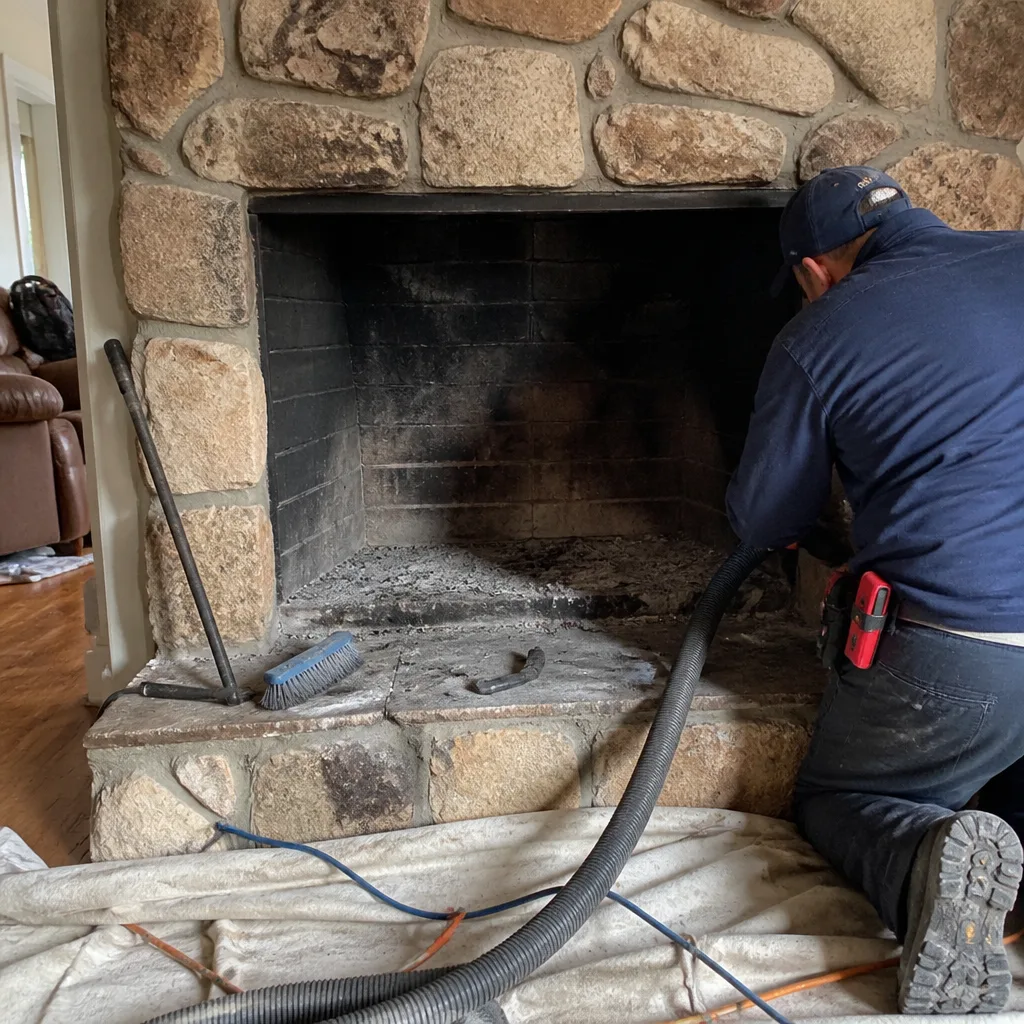 Before
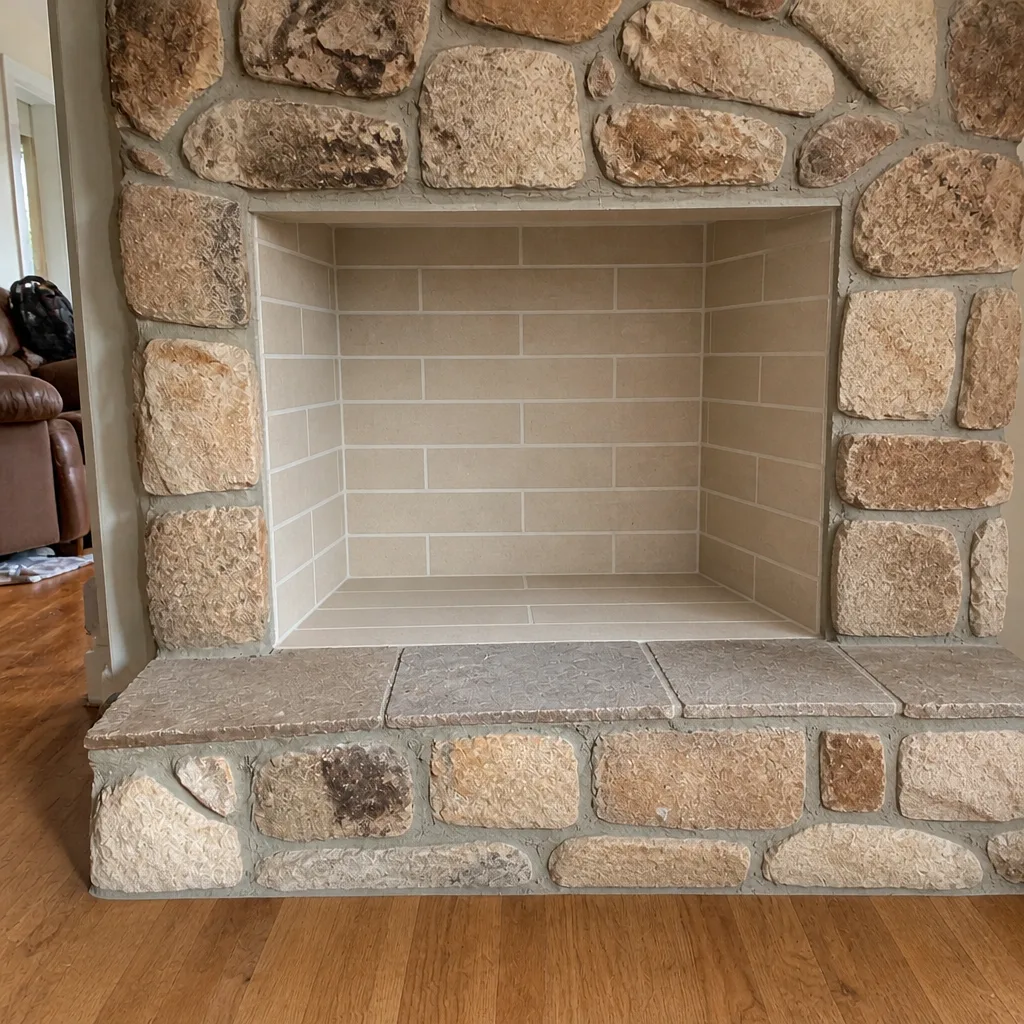 After
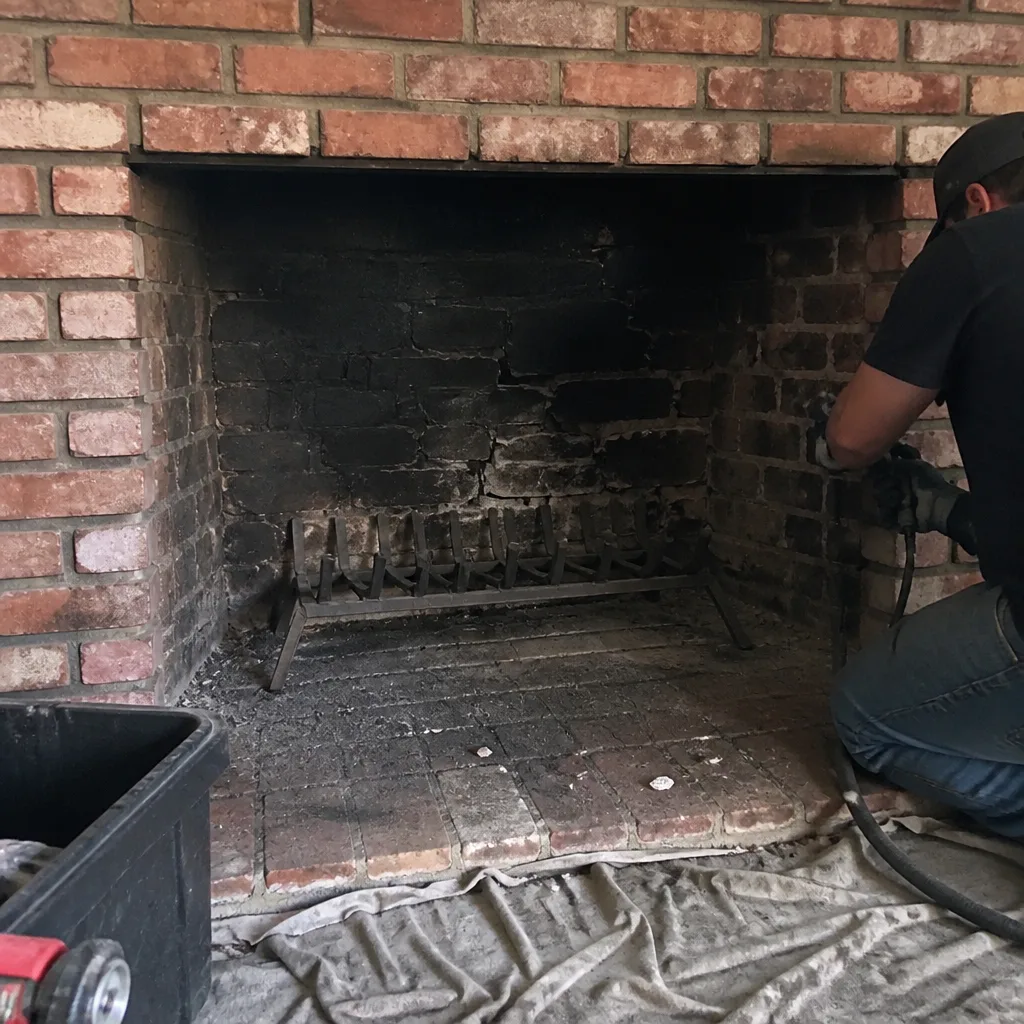 Before
 After
 Before
 After